
Tarot Card Meanings for All 78 Cards
Tarot card meanings start with the deck itself: 22 Major Arcana cards for the big themes of a life, and 56 Minor Arcana cards for everyday situations, split into four suits. Pick any card from the list below to read its upright and reversed meaning, how it reads in love and work, and whether it leans yes or no. The notes underneath explain how the deck is built and how to read a card in the context of your own question.
Want more than meanings? Try a free AI tarot reading — draw cards and get a personalised interpretation.
✦ Major Arcana(22 cards)
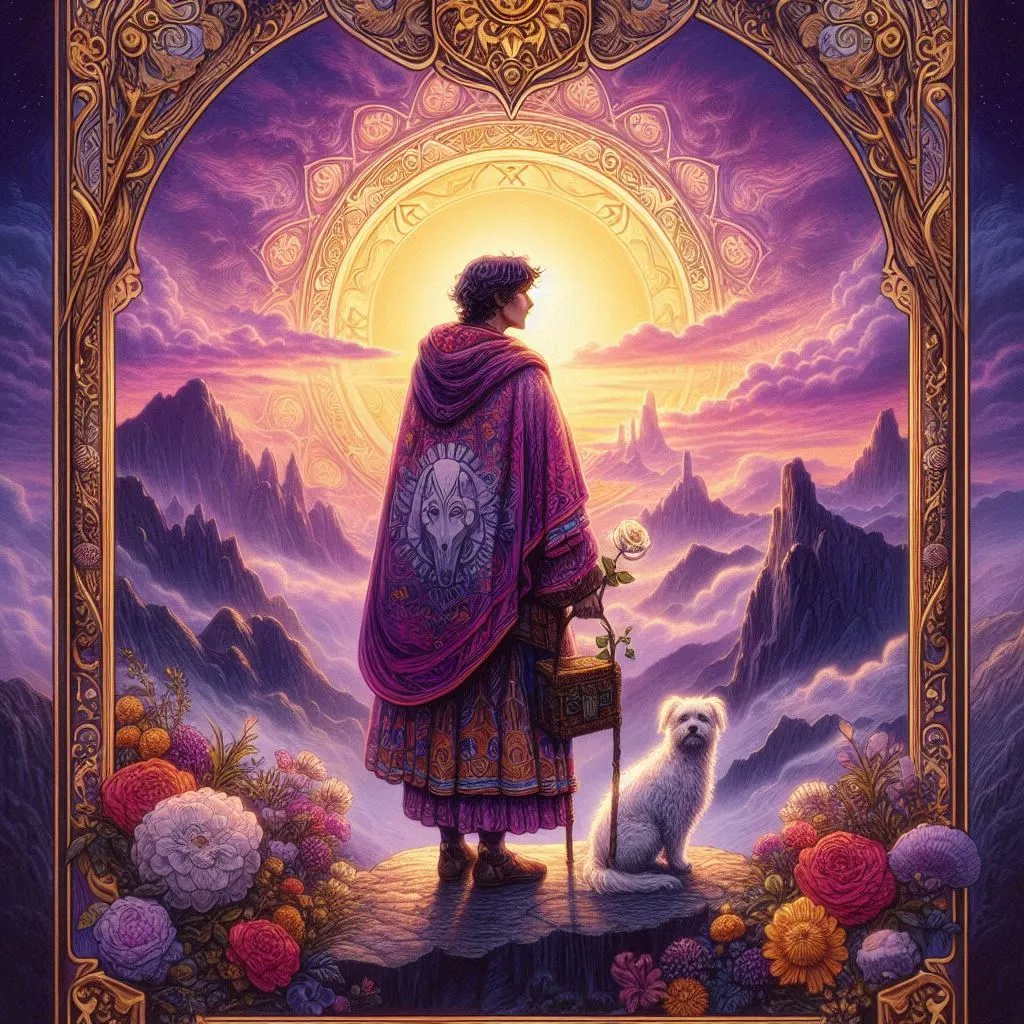
The Fool
New beginnings, innocence, spontaneity
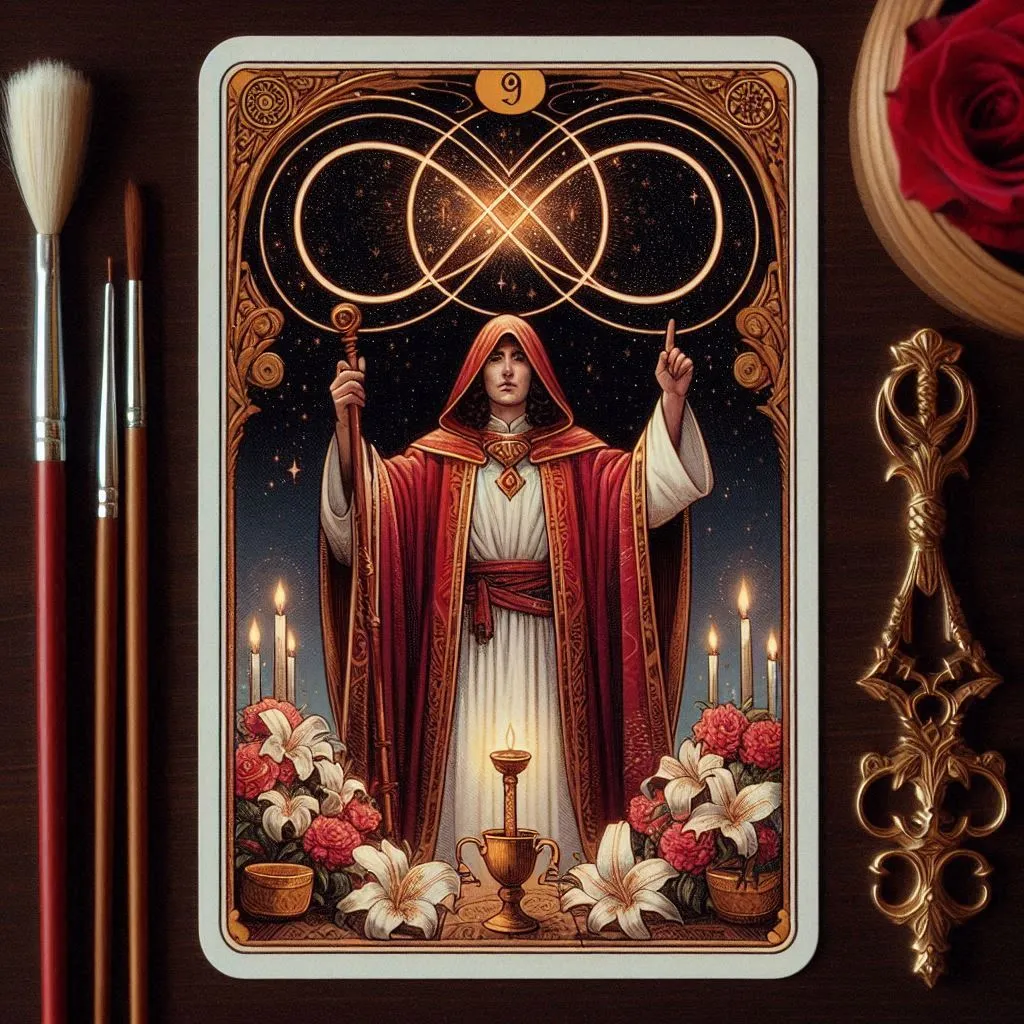
The Magician
Manifestation, resourcefulness, power
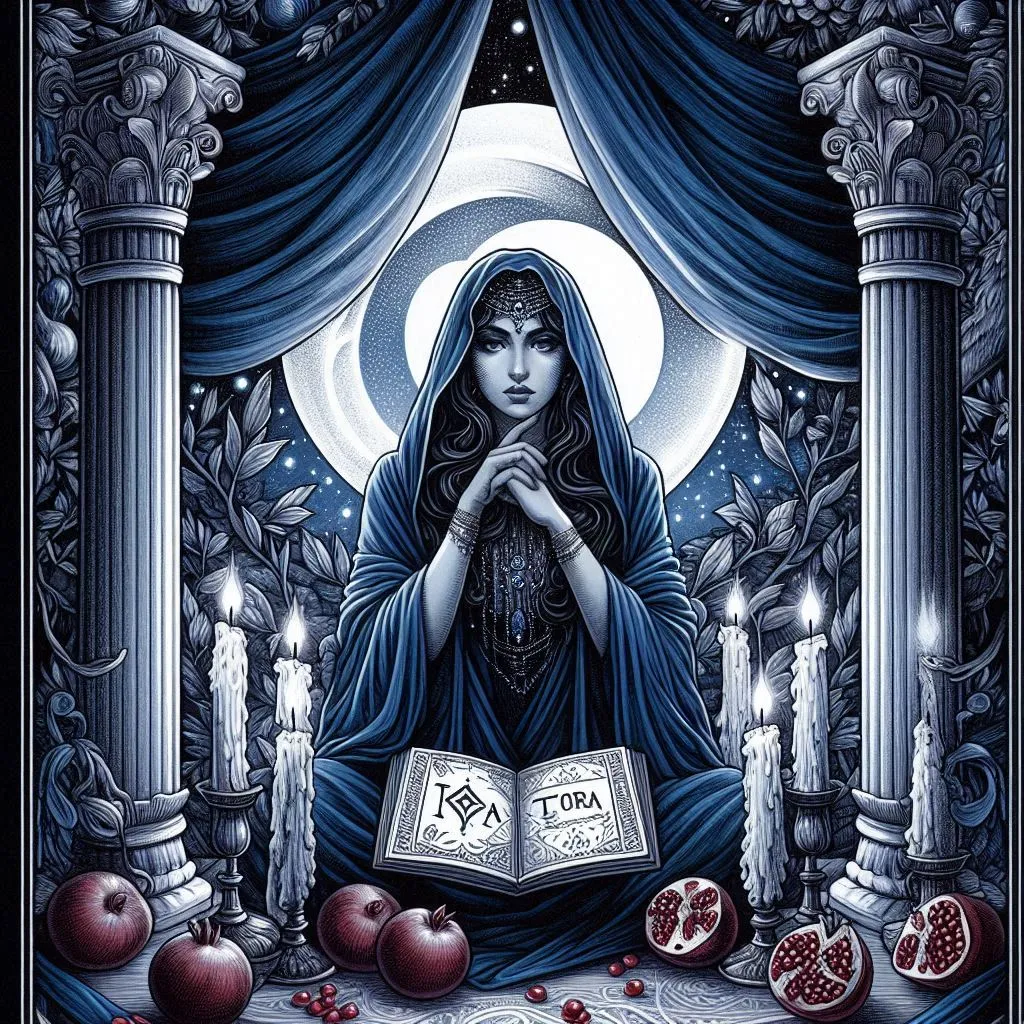
The High Priestess
Intuition, sacred knowledge, divine feminine
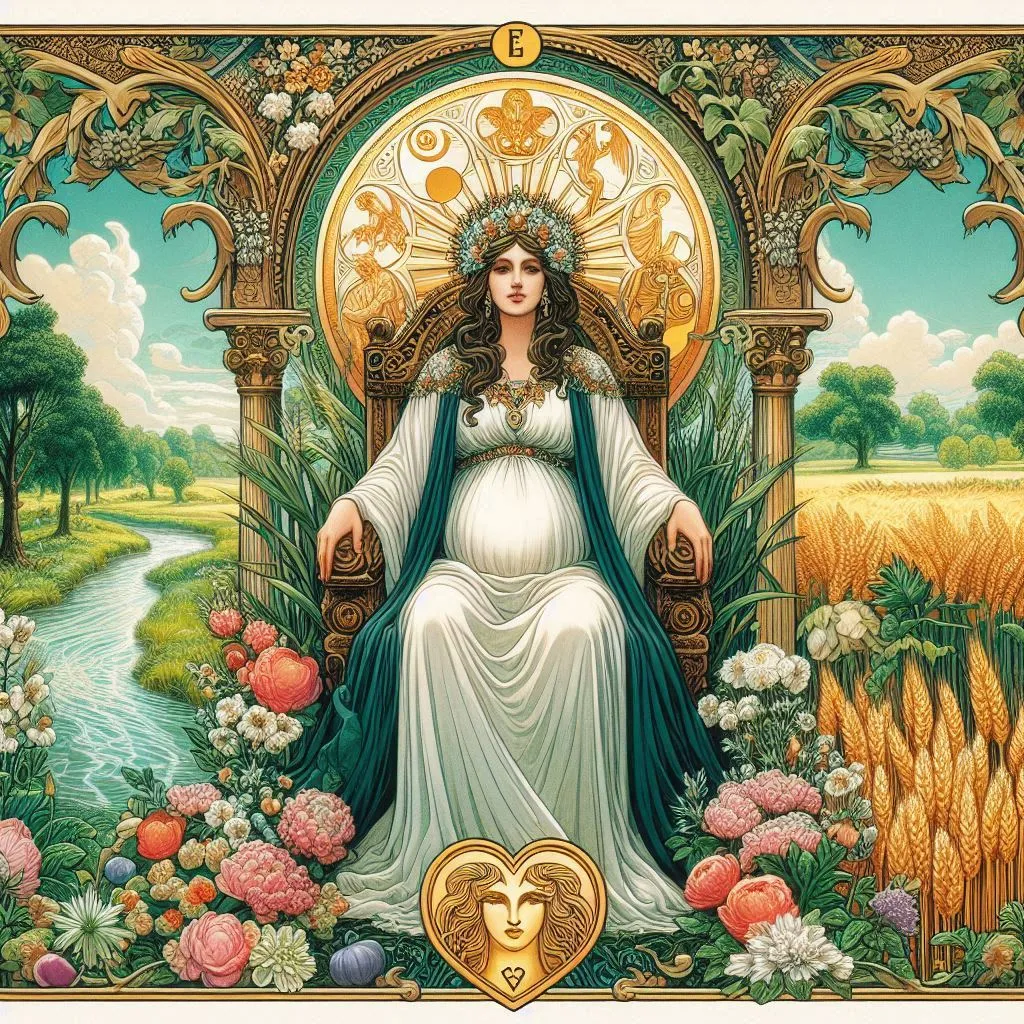
The Empress
Femininity, beauty, nature, abundance
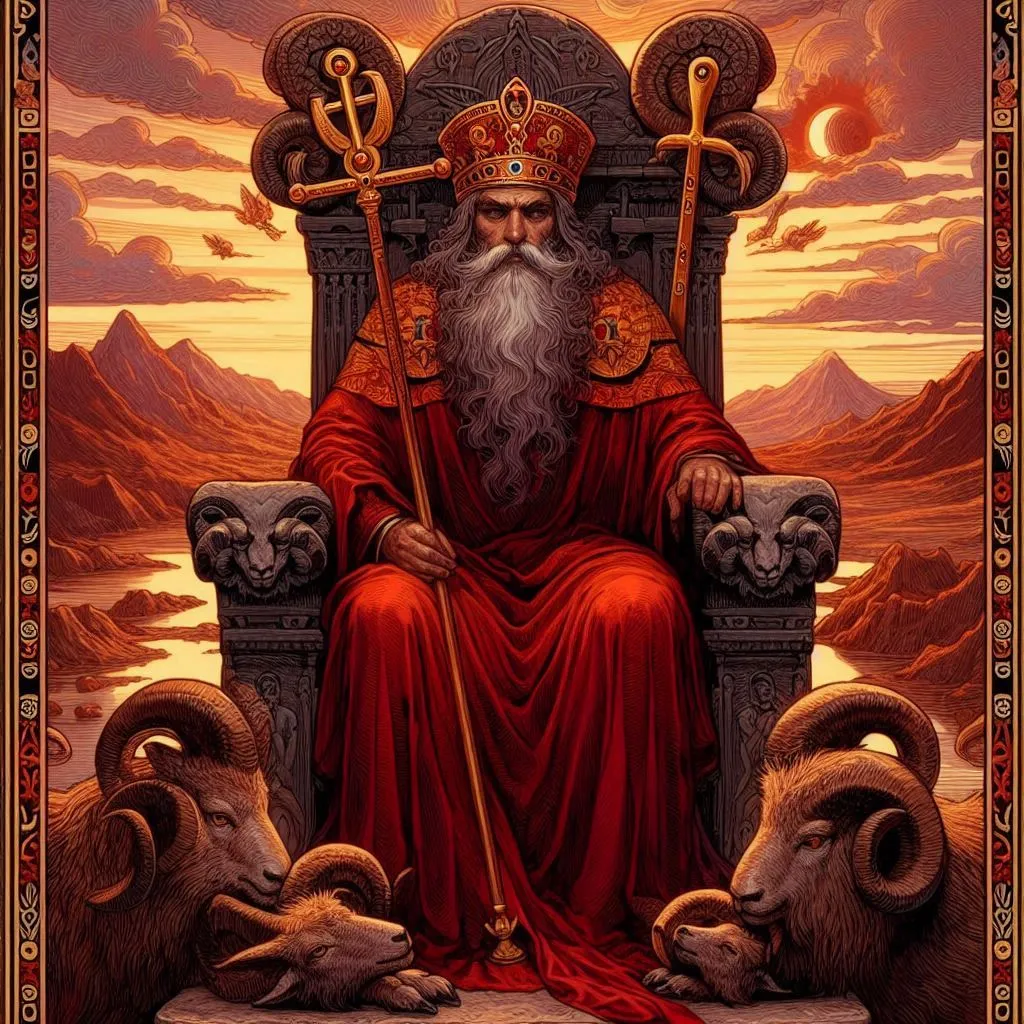
The Emperor
Authority, establishment, structure
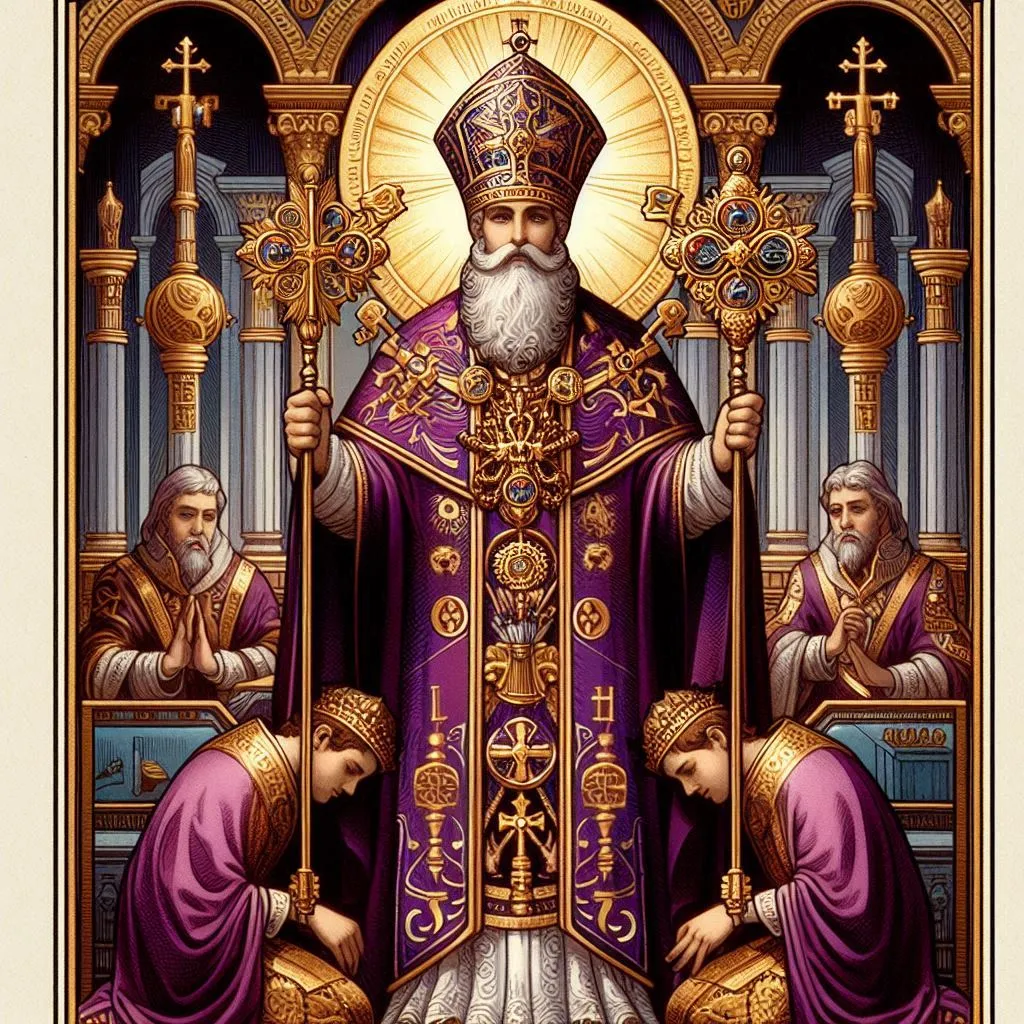
The Hierophant
Spiritual wisdom, religious beliefs, conformity
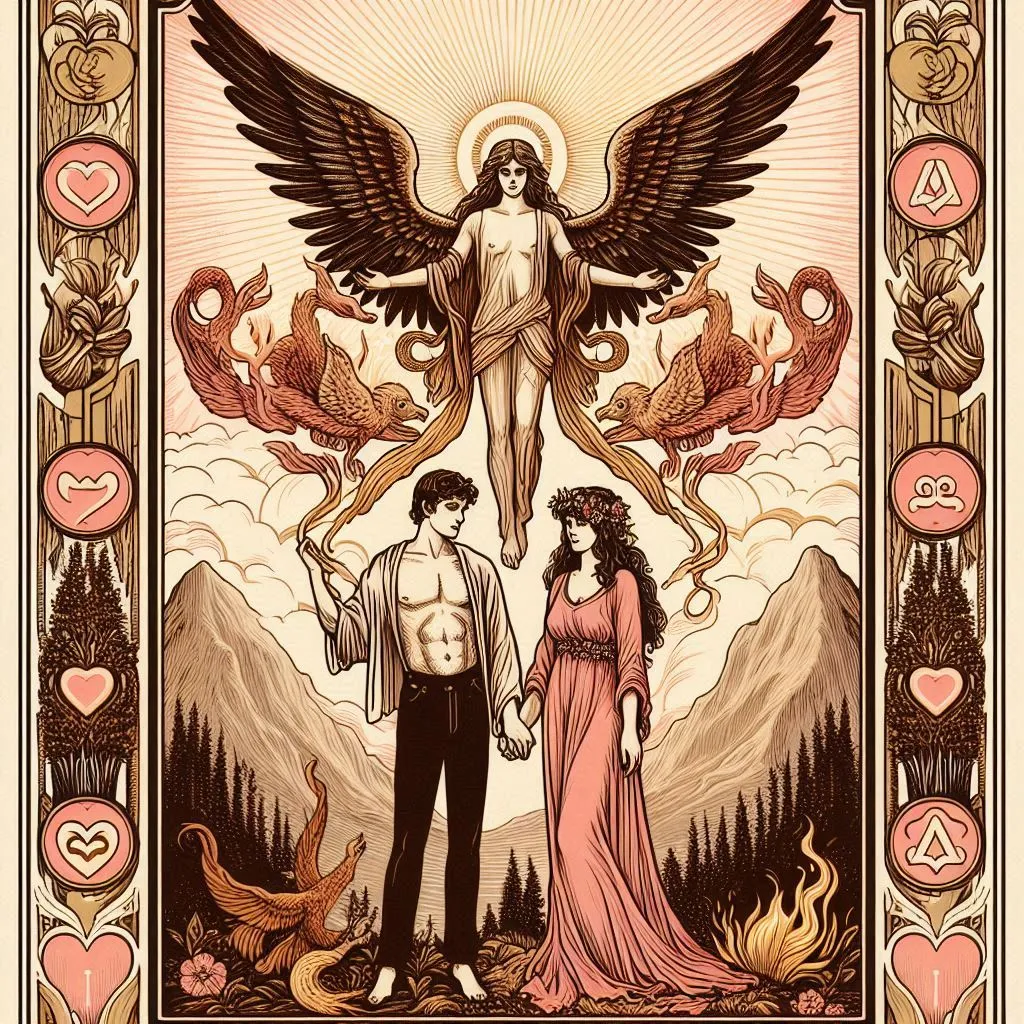
The Lovers
Love, harmony, relationships, values alignment
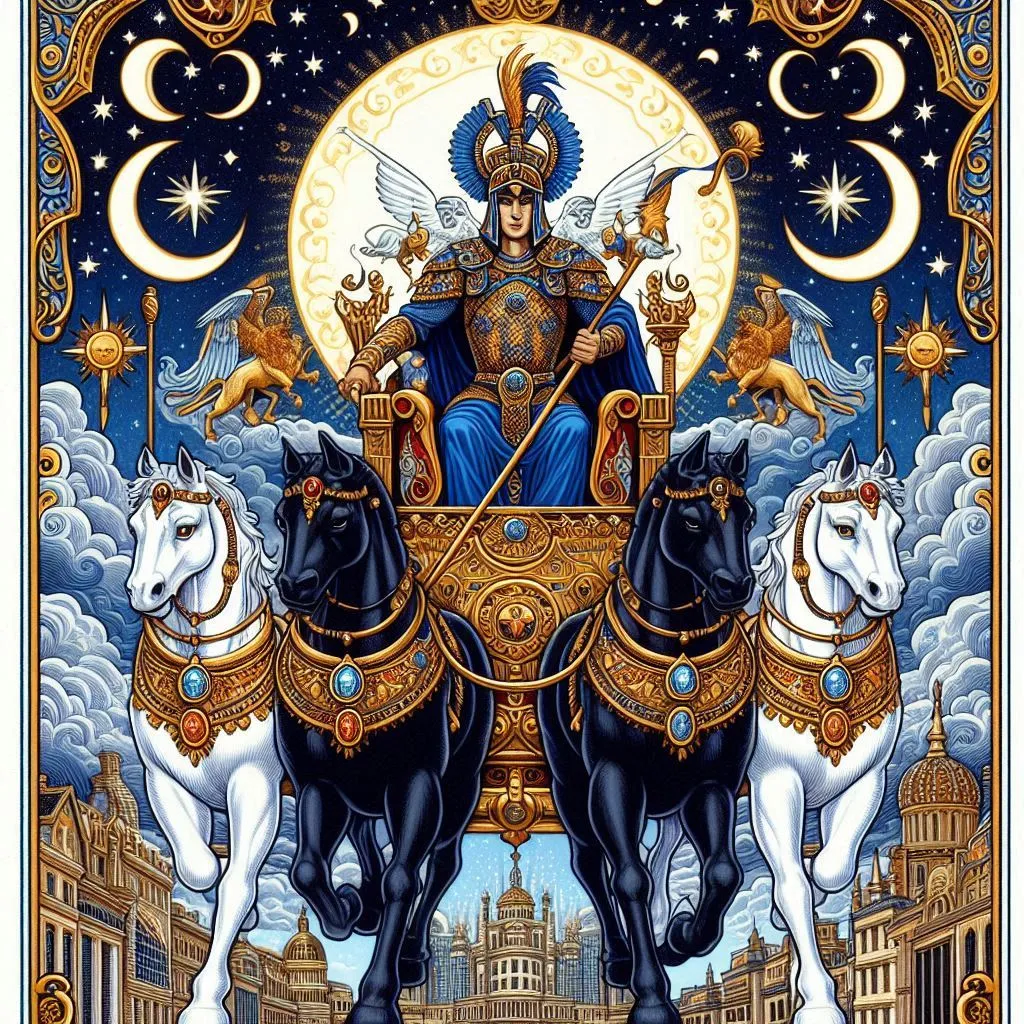
The Chariot
Control, willpower, success, determination
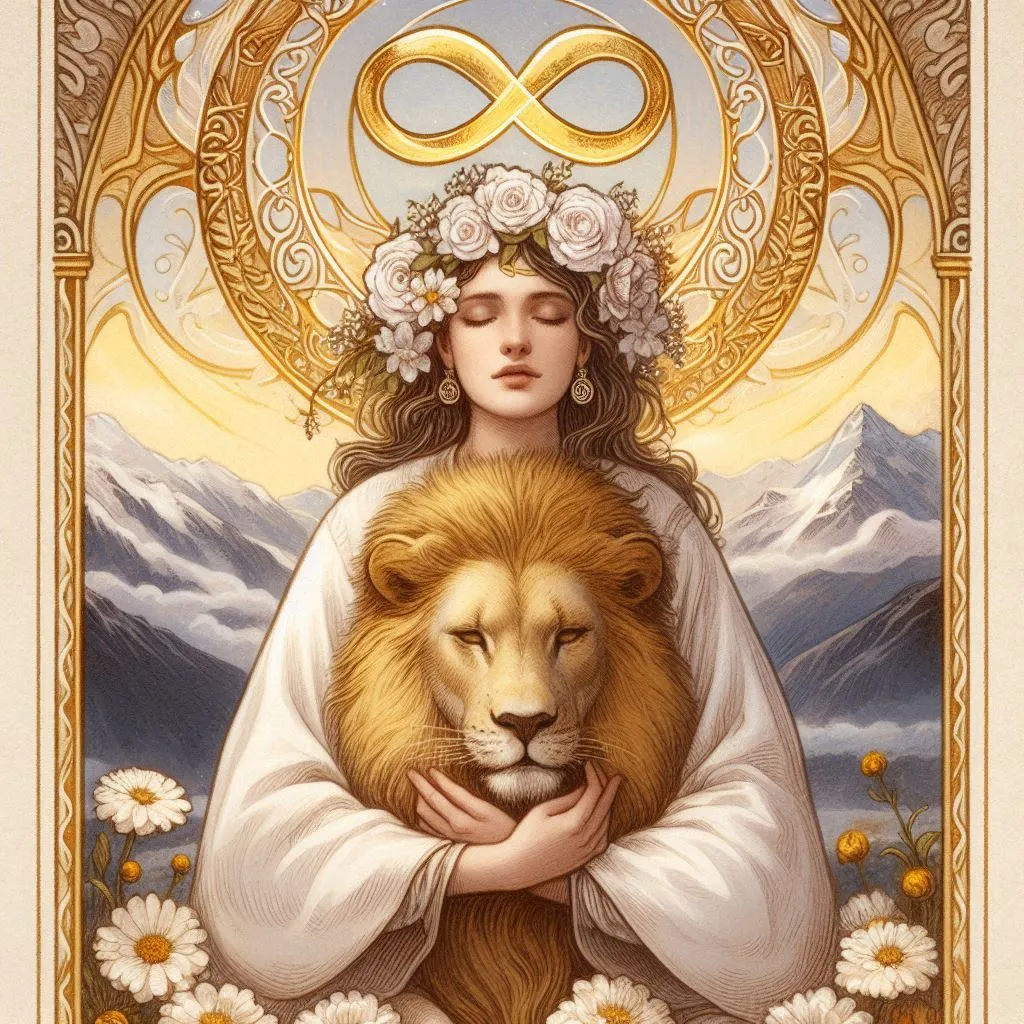
Strength
Inner strength, bravery, compassion, focus
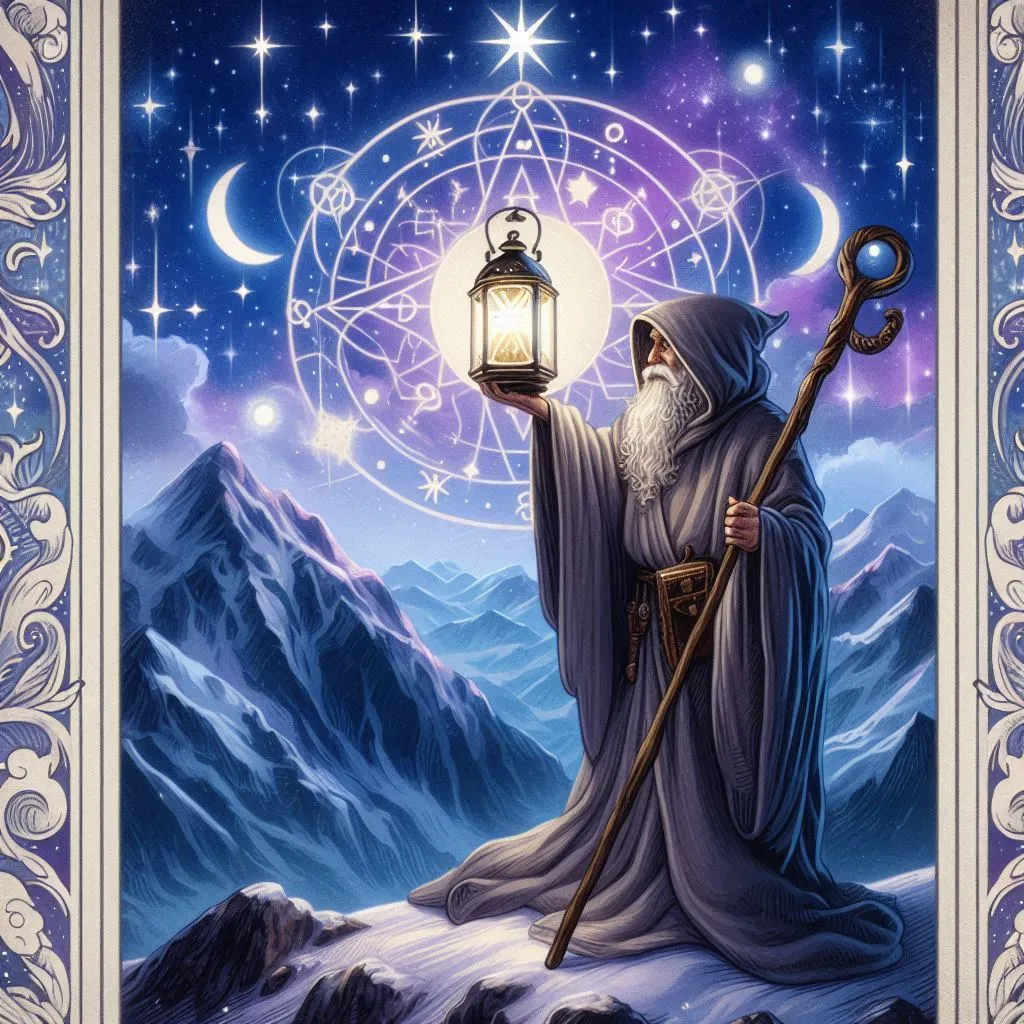
The Hermit
Soul searching, introspection, inner guidance
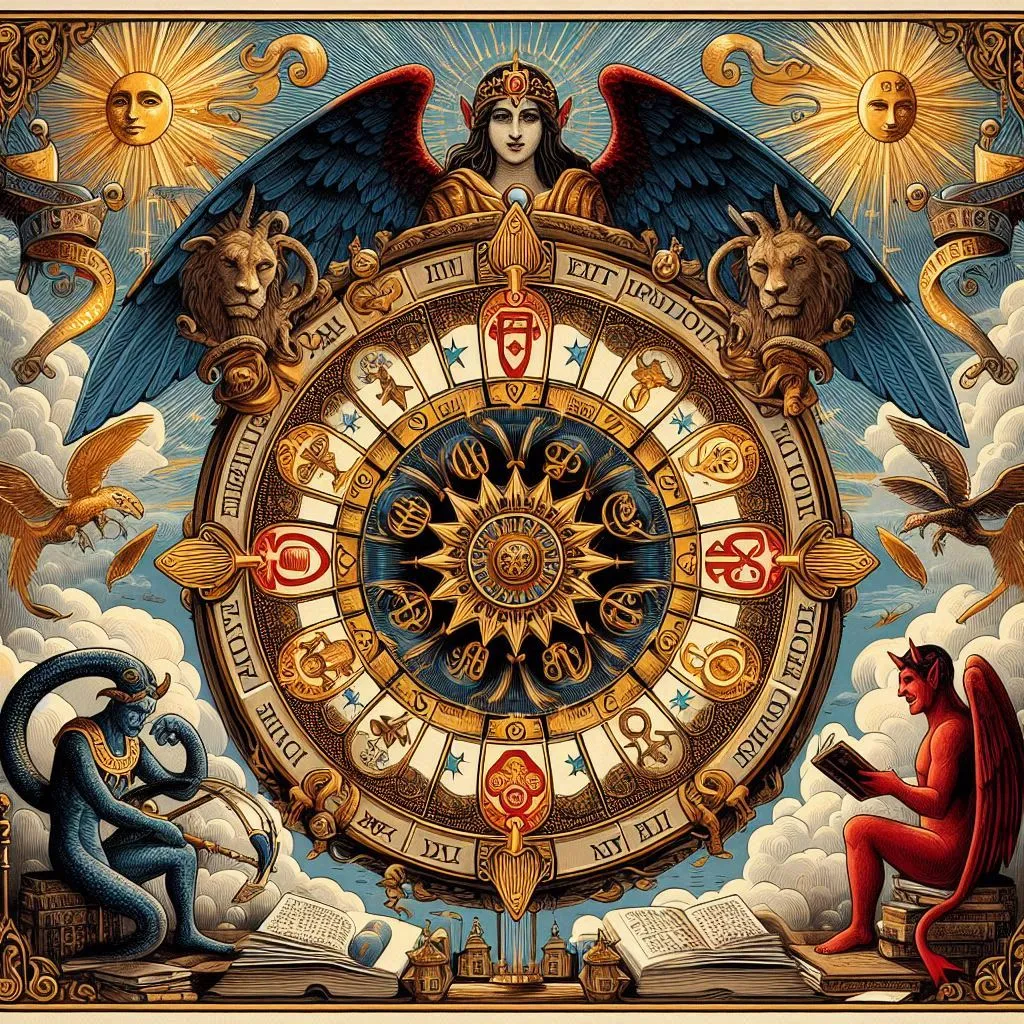
Wheel of Fortune
Good luck, karma, life cycles, destiny
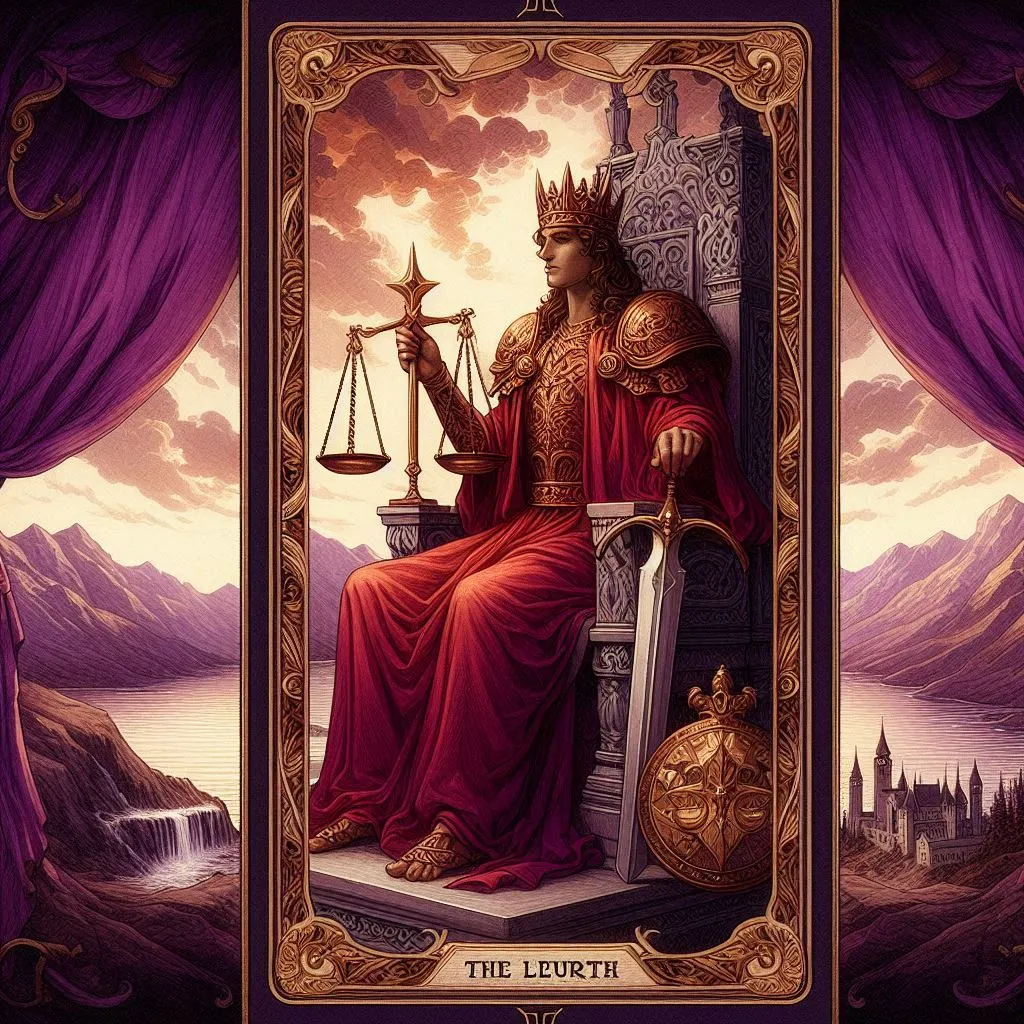
Justice
Justice, fairness, truth, cause and effect
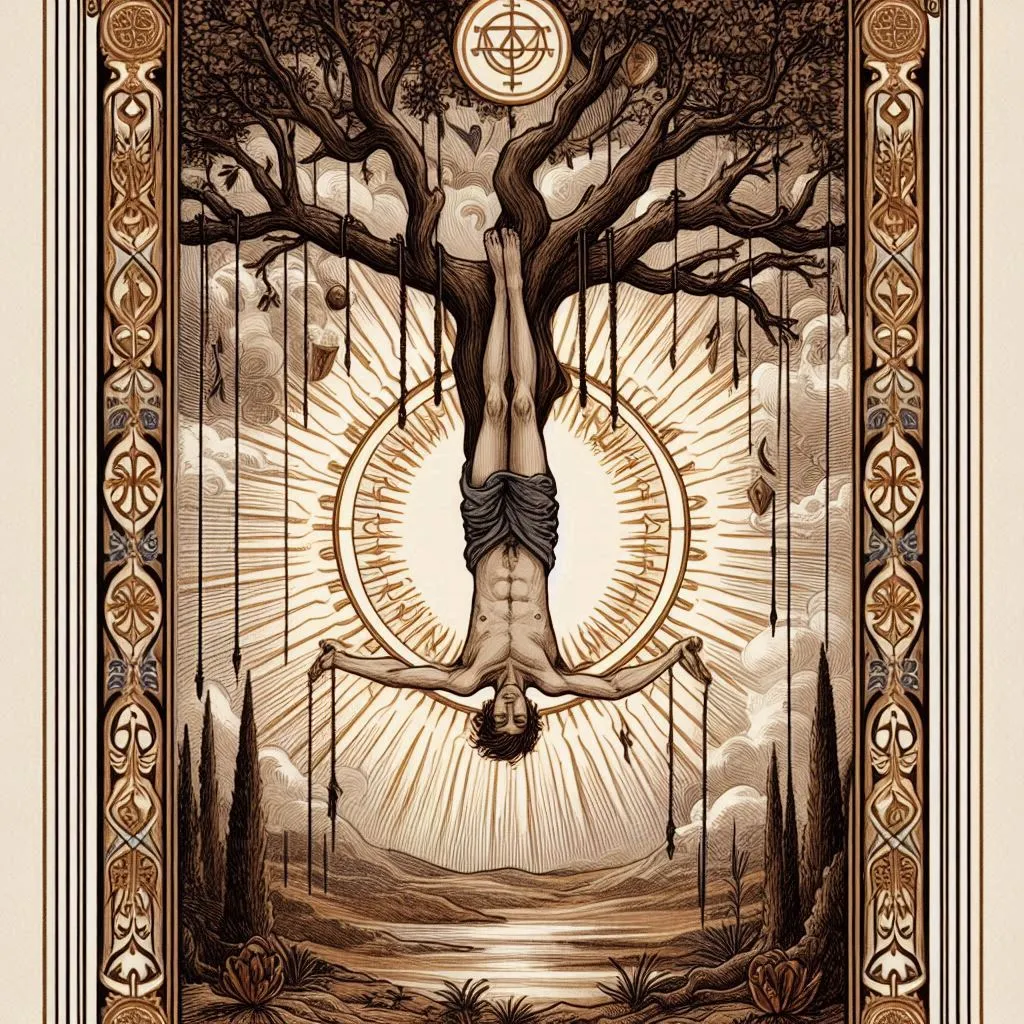
The Hanged Man
Suspension, restriction, letting go
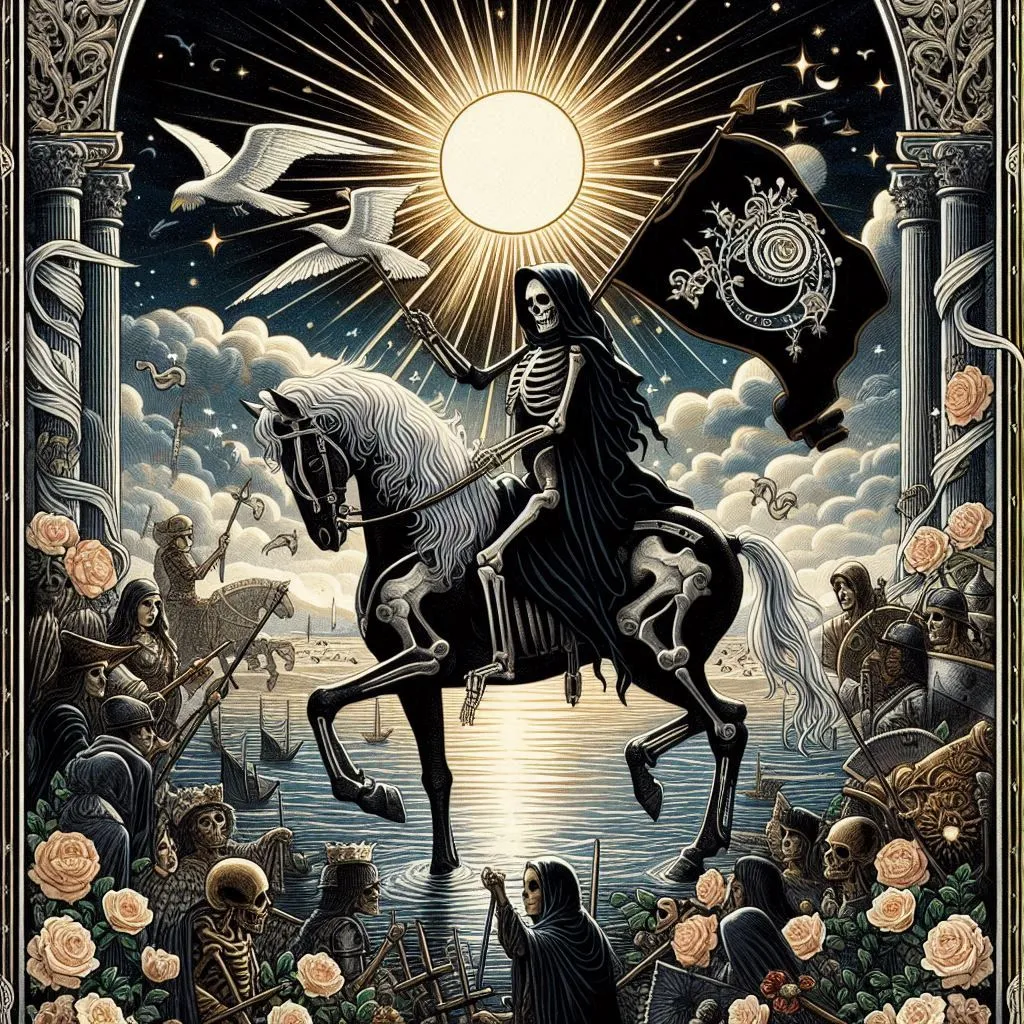
Death
Endings, beginnings, change, transformation
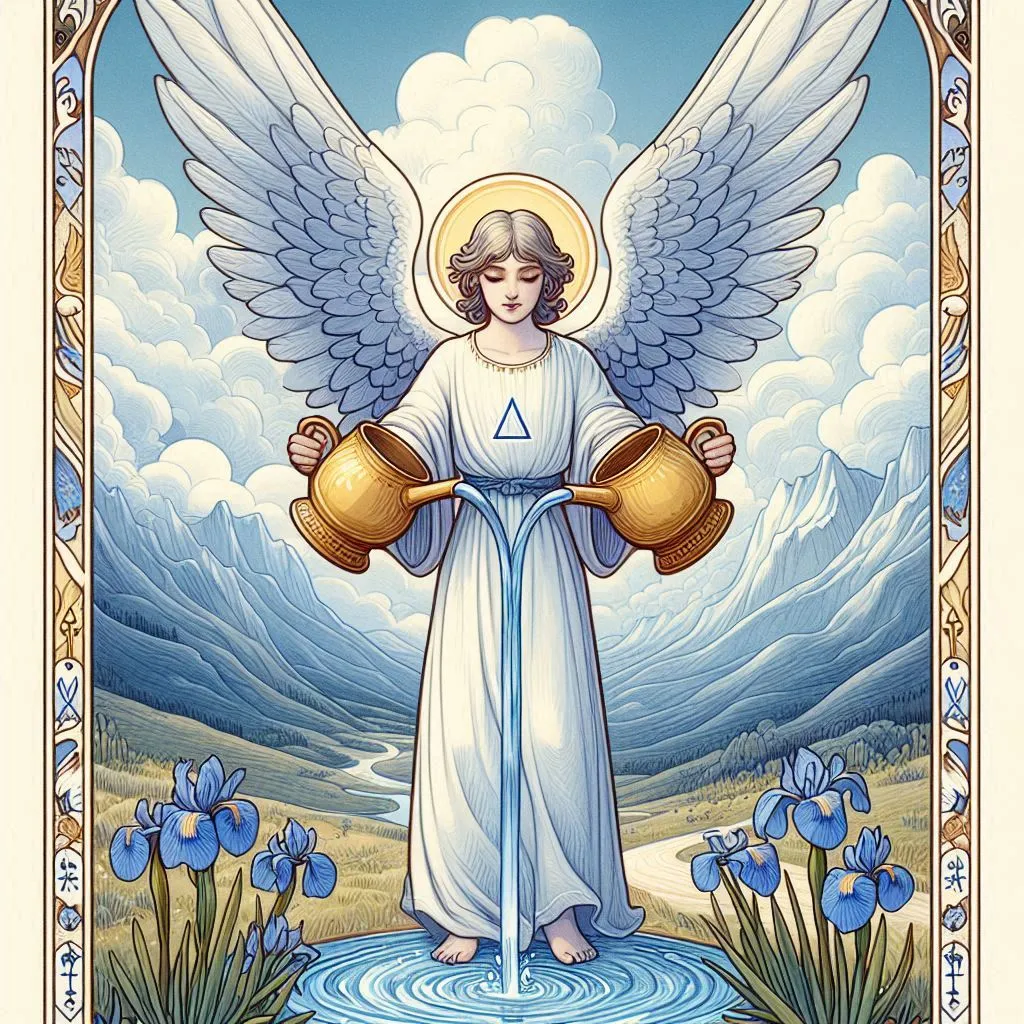
Temperance
Balance, moderation, patience, purpose
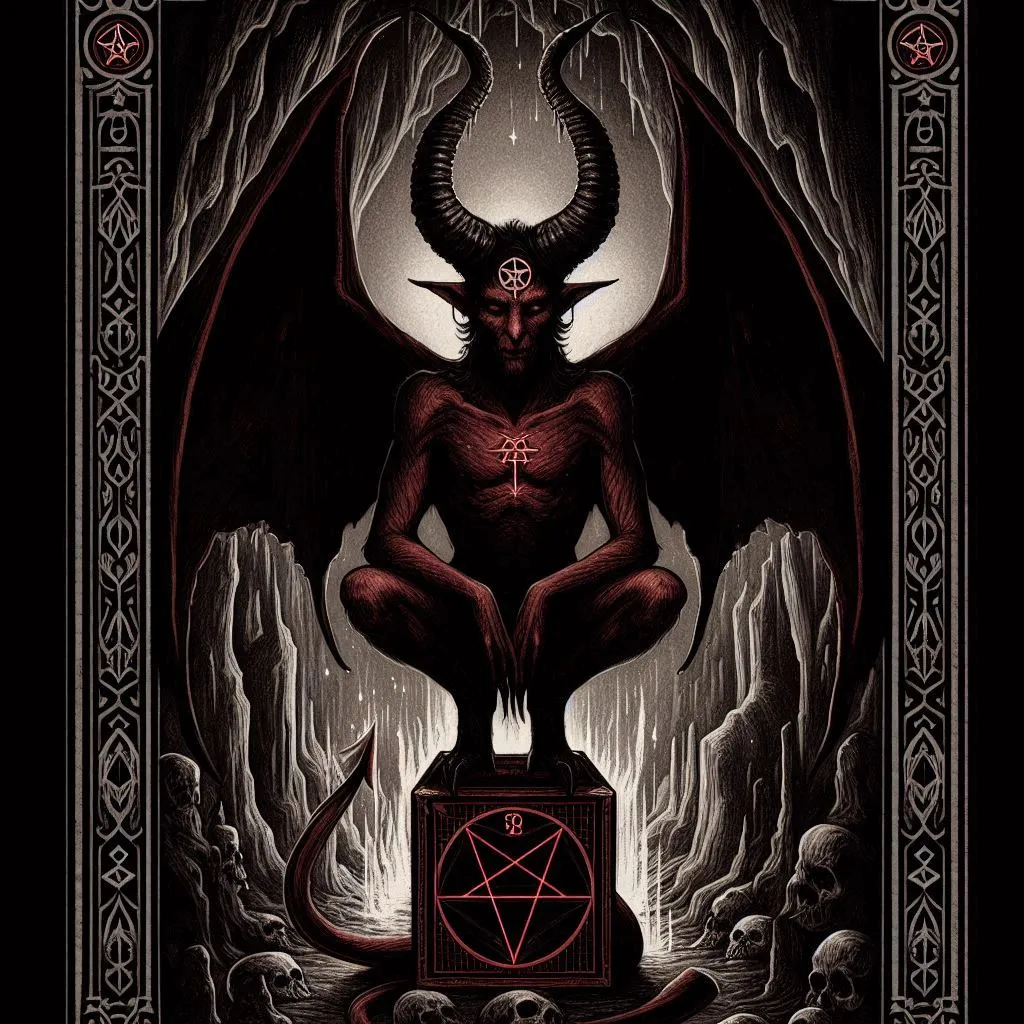
The Devil
Bondage, addiction, sexuality, materialism
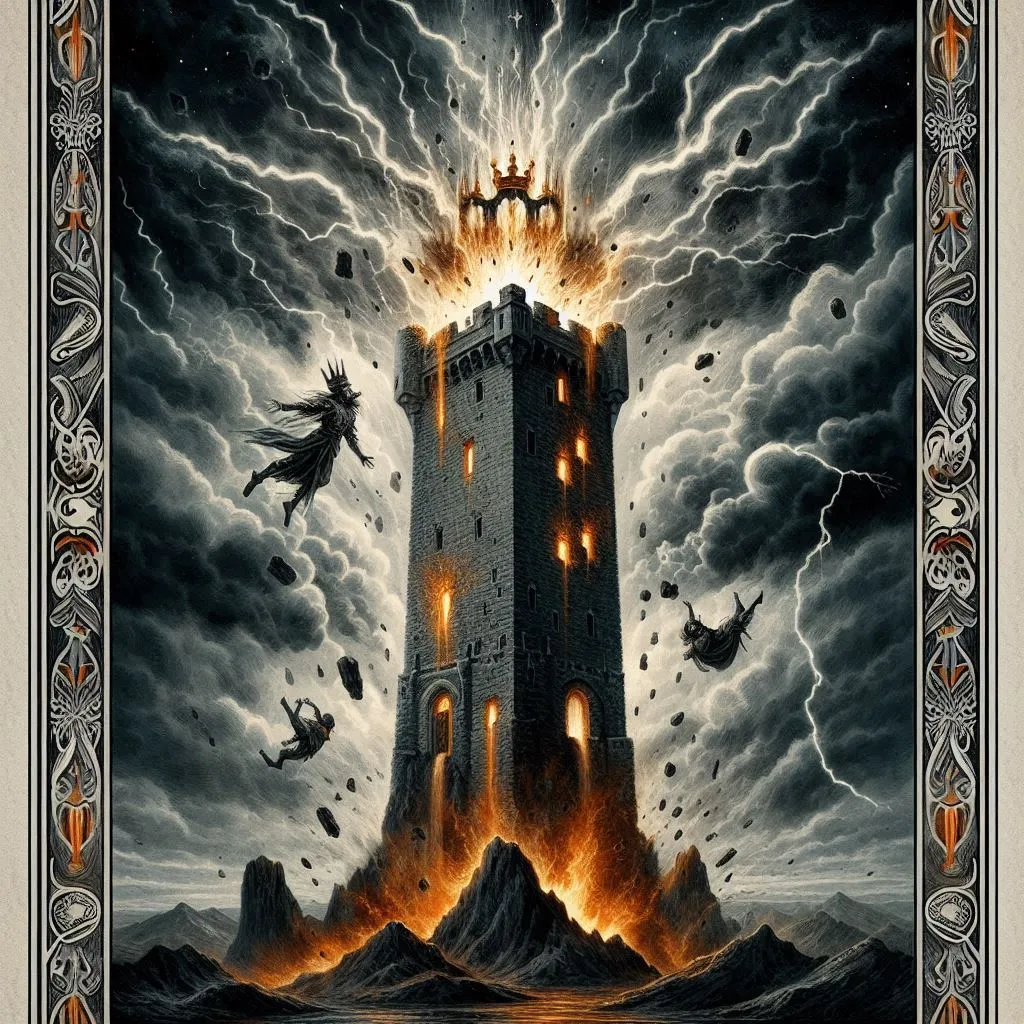
The Tower
Sudden change, upheaval, chaos, revelation
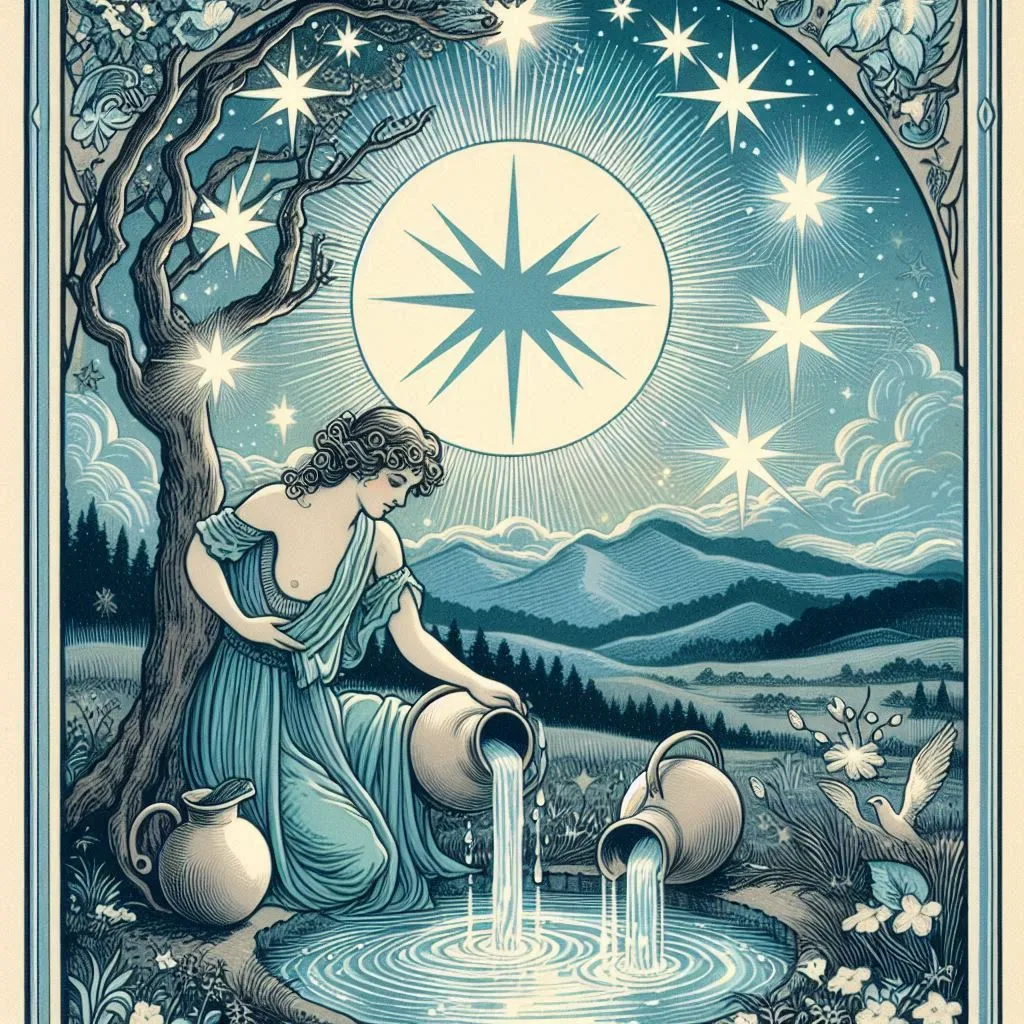
The Star
Hope, faith, purpose, renewal, spirituality
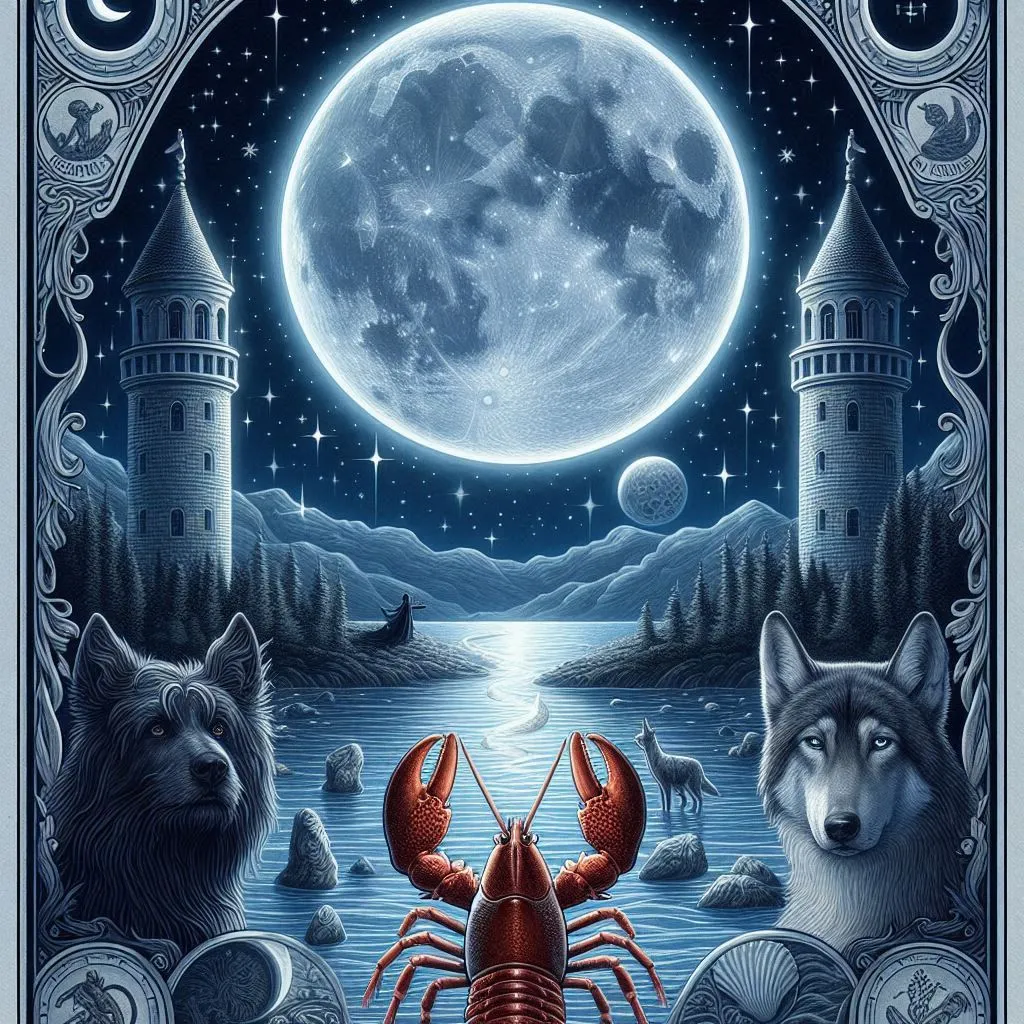
The Moon
Illusion, fear, anxiety, subconscious, intuition
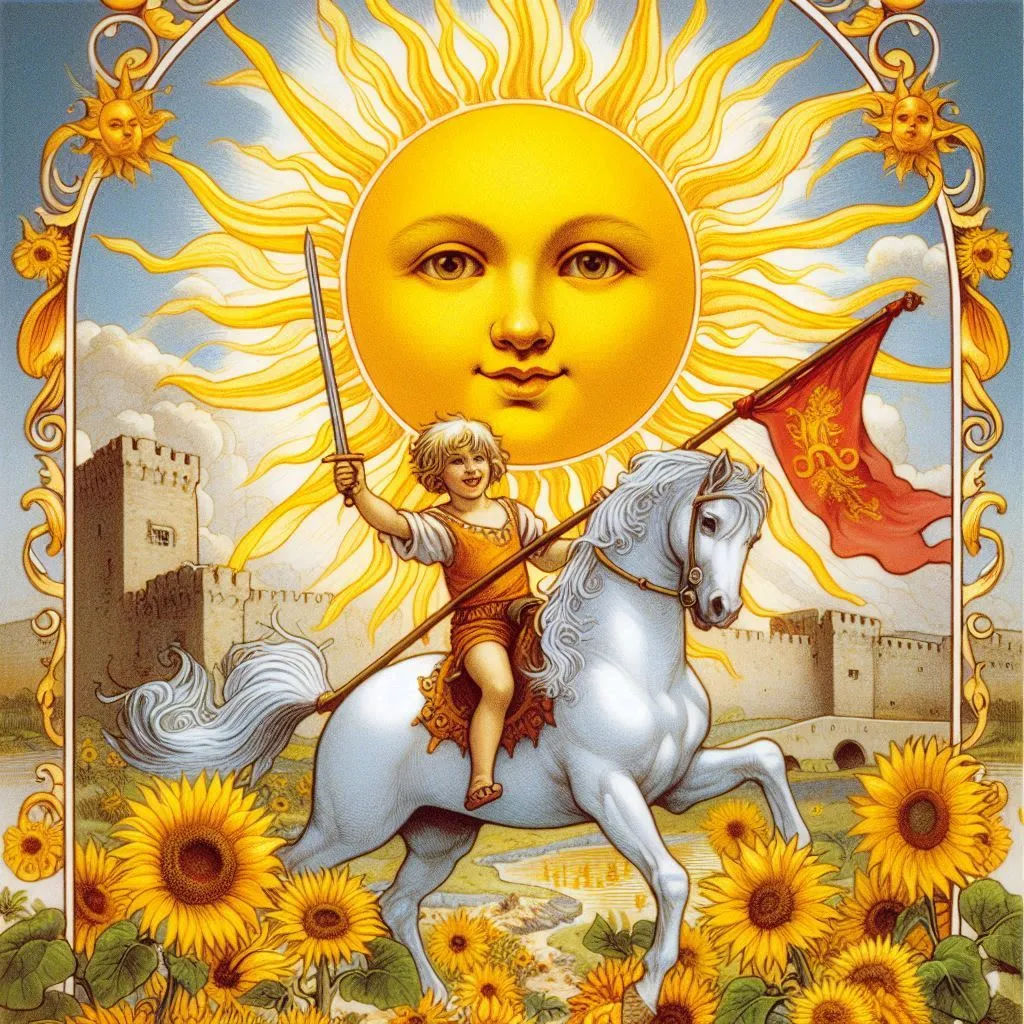
The Sun
Positivity, fun, warmth, success, vitality
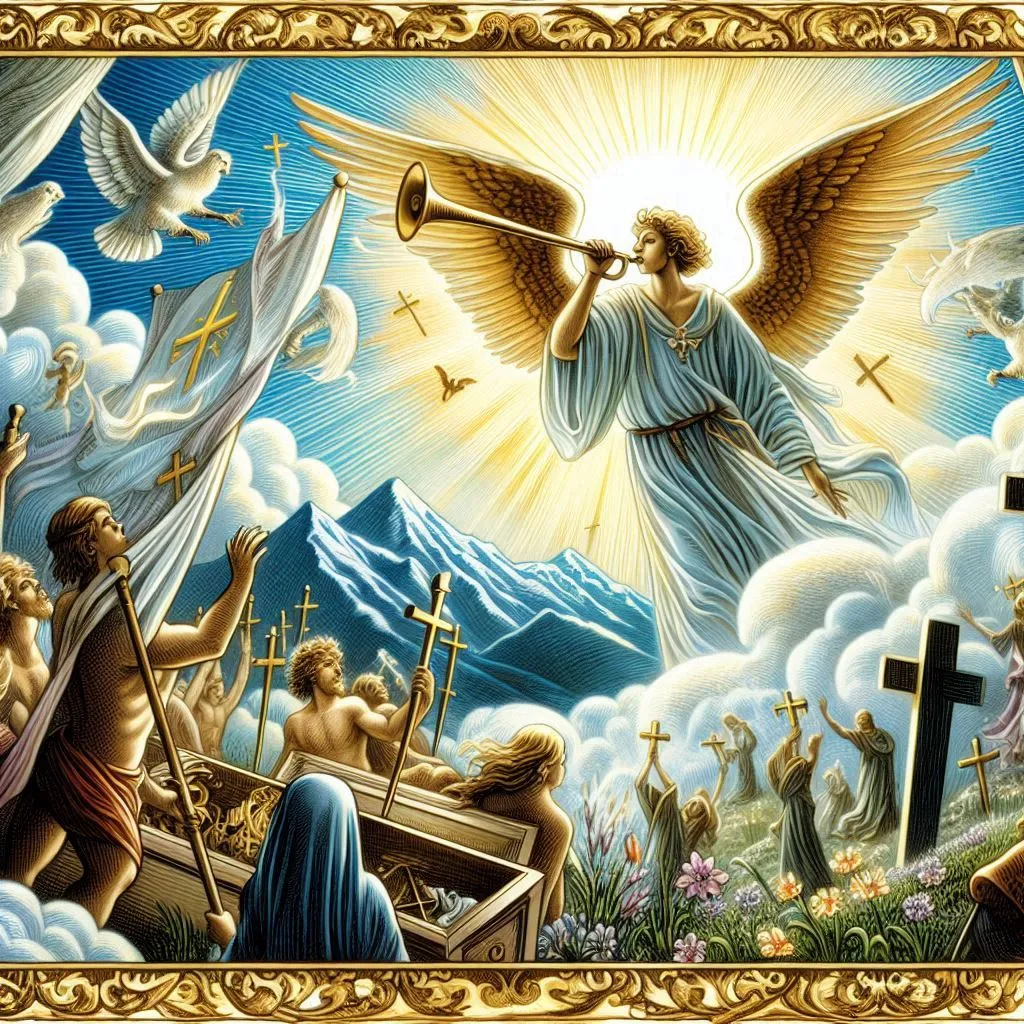
Judgement
Judgement, rebirth, inner calling, absolution
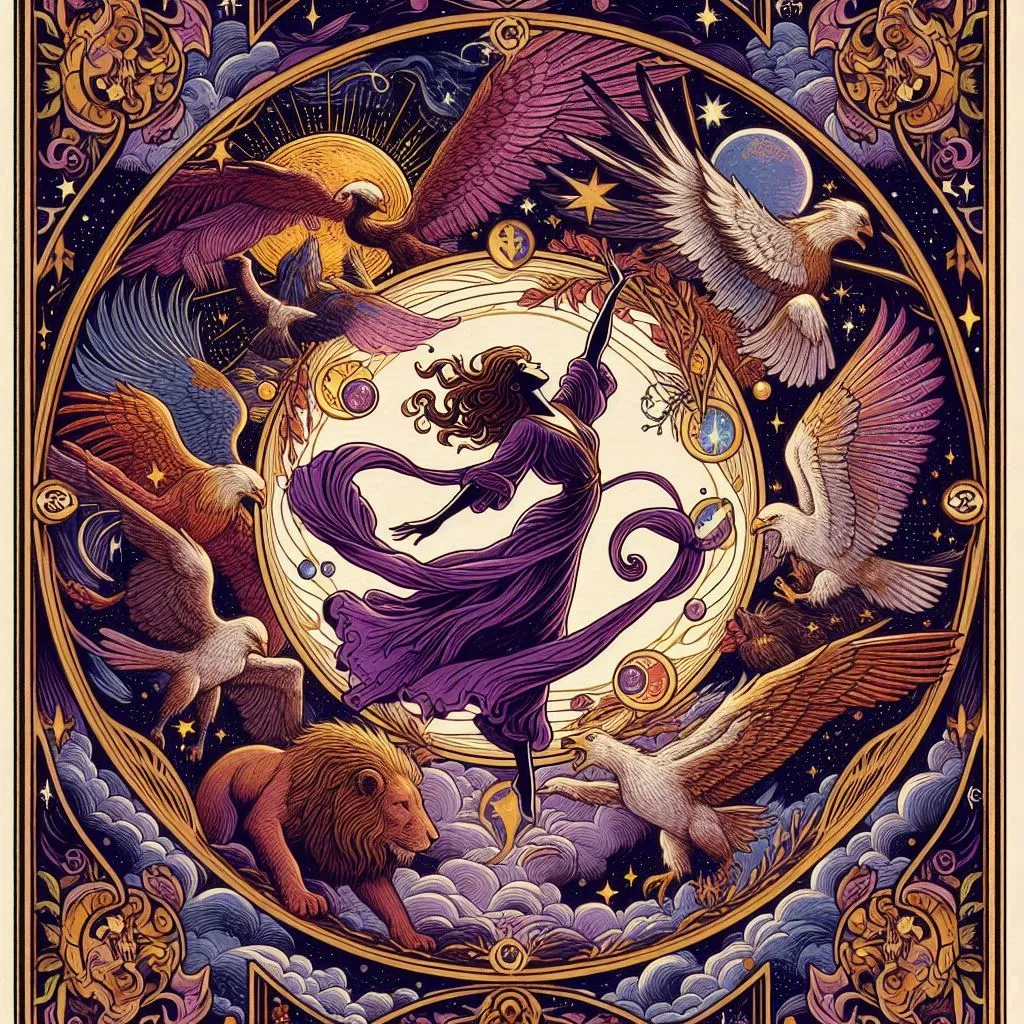
The World
Completion, accomplishment, travel
🏆 Cups(14 cards)
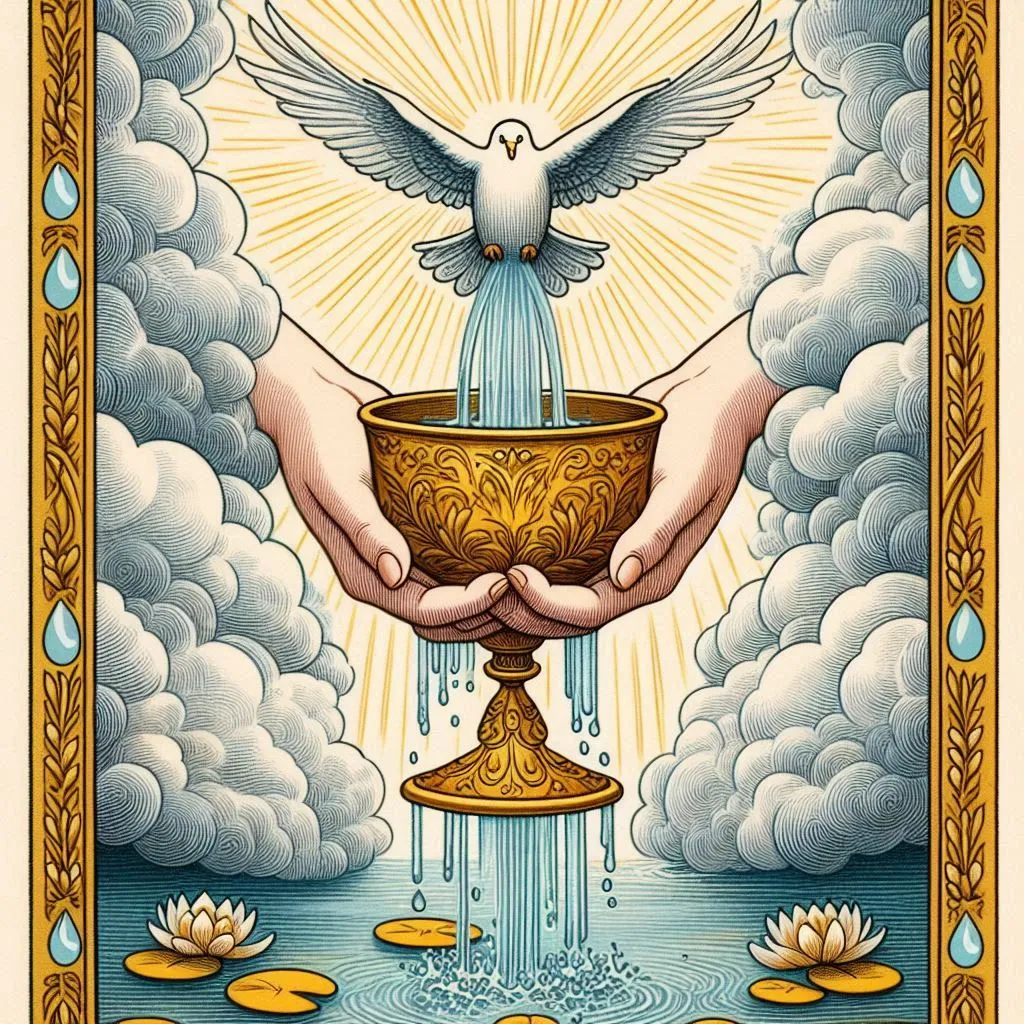
Ace of Cups
New relationships, compassion, creativity
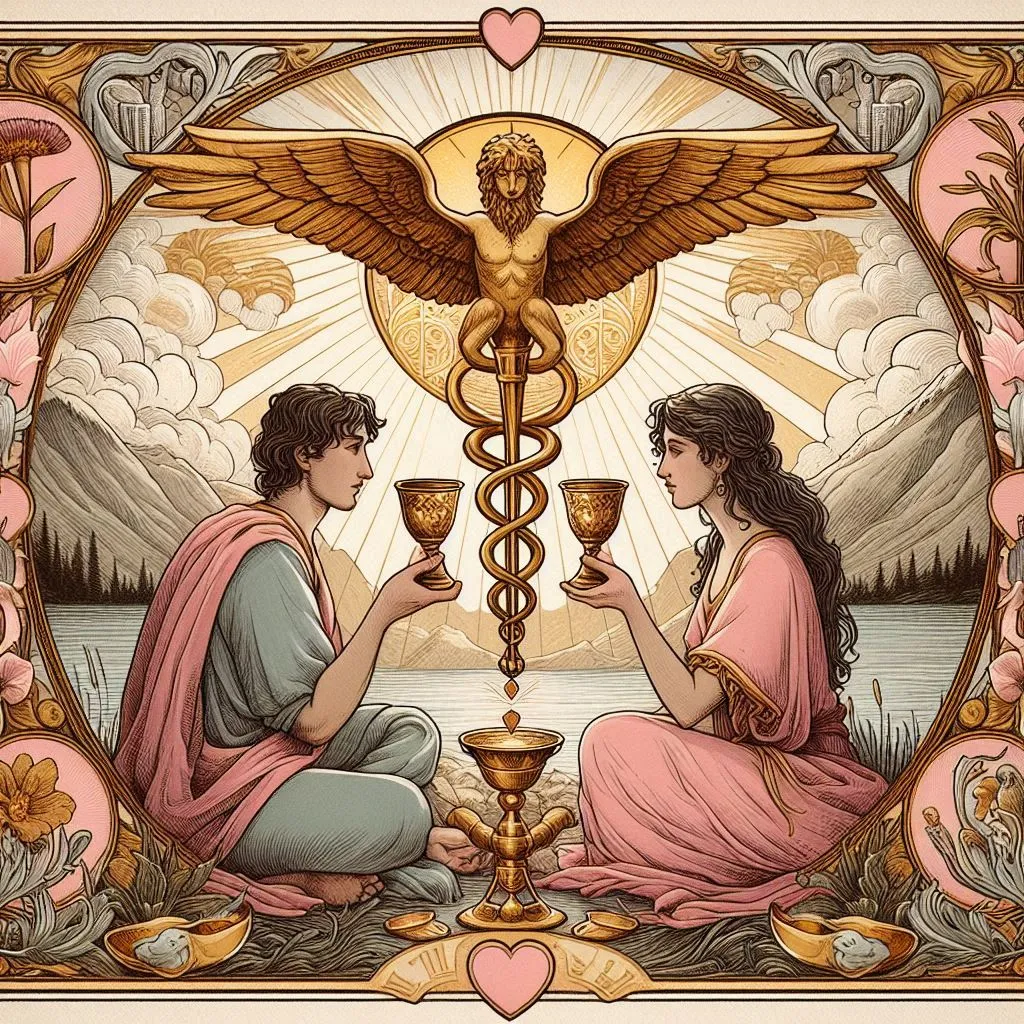
Two of Cups
Partnership, unity, mutual attraction
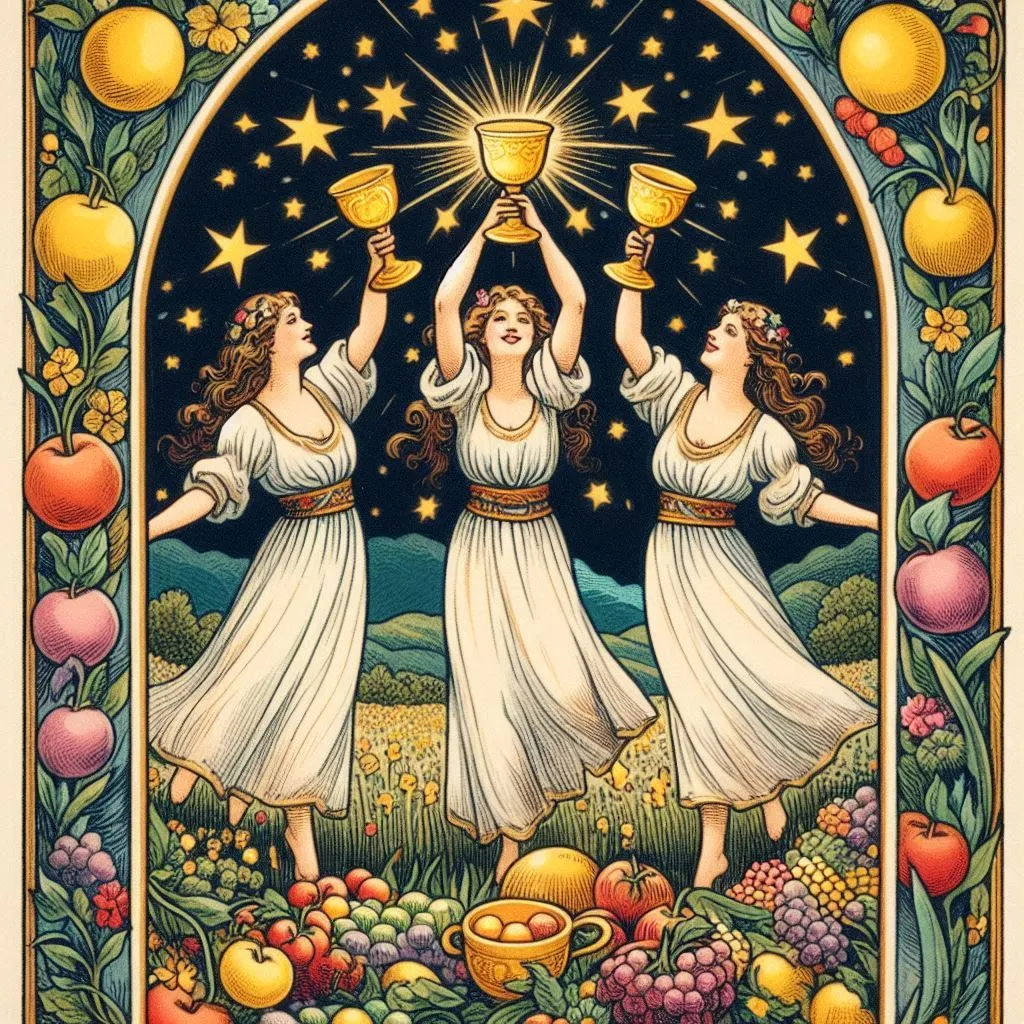
Three of Cups
Friendship, community, happiness
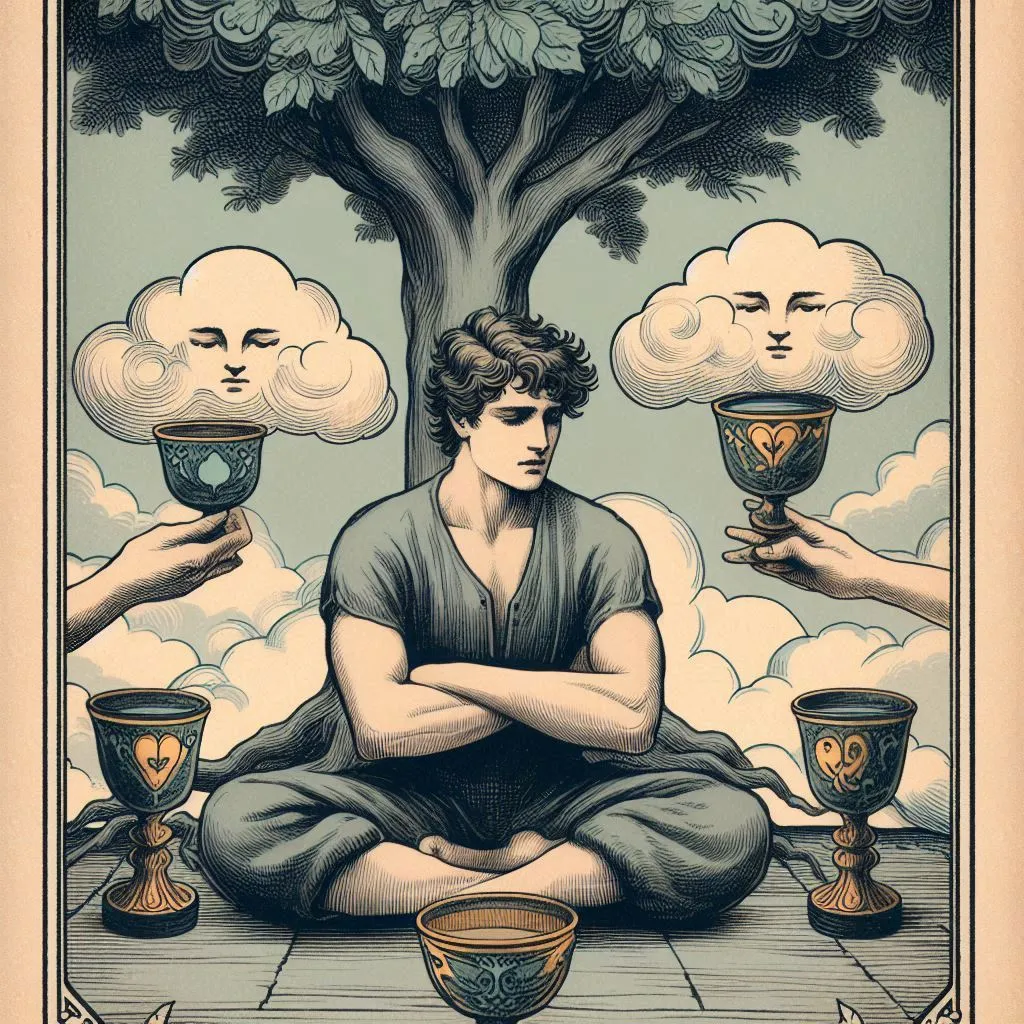
Four of Cups
Apathy, contemplation, disconnectedness
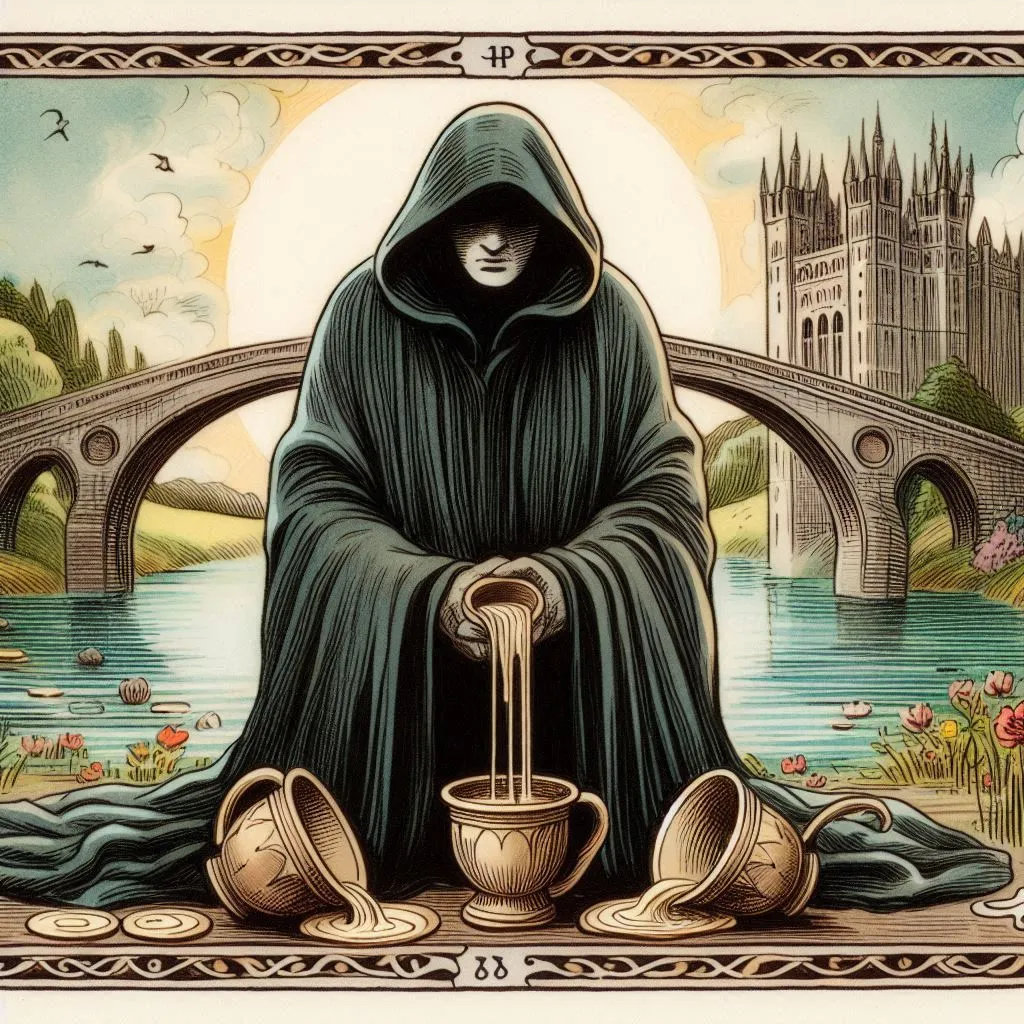
Five of Cups
Loss, regret, disappointment
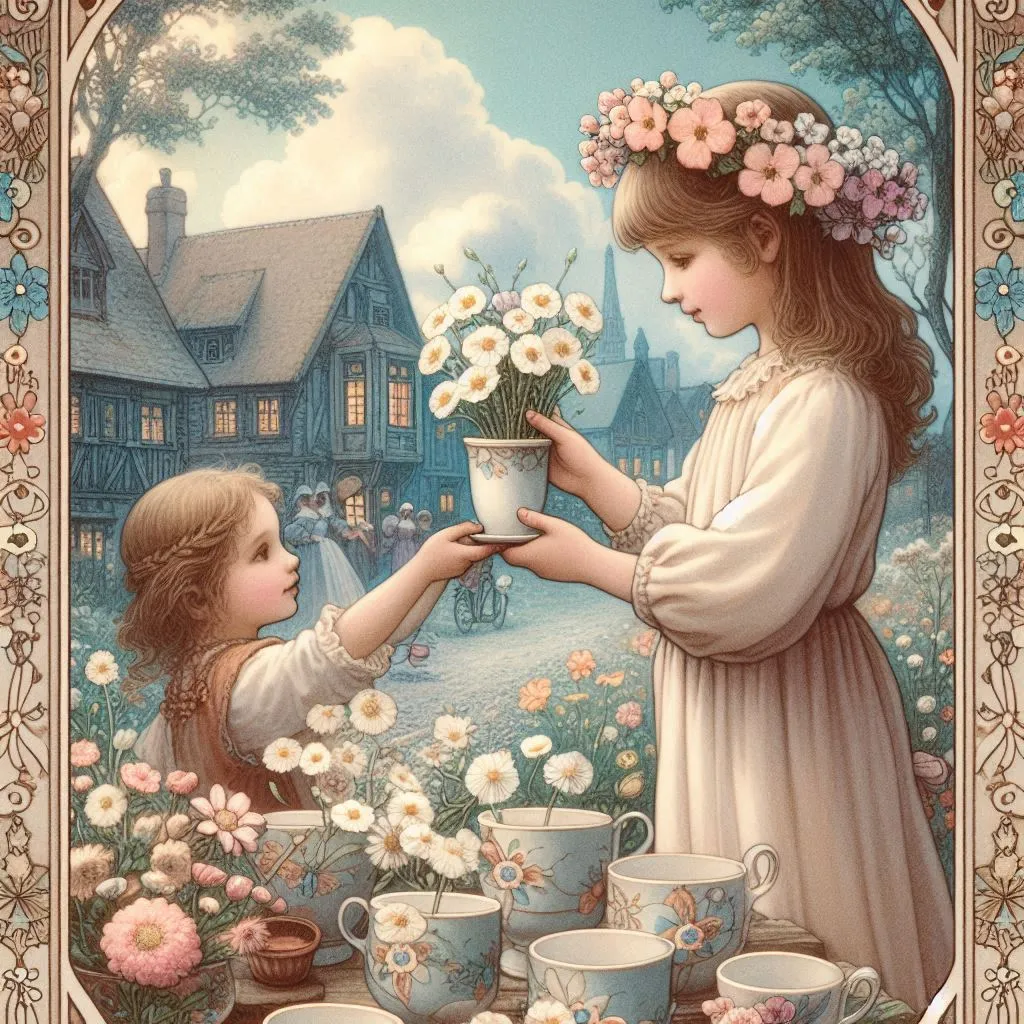
Six of Cups
Nostalgia, childhood memories, innocence
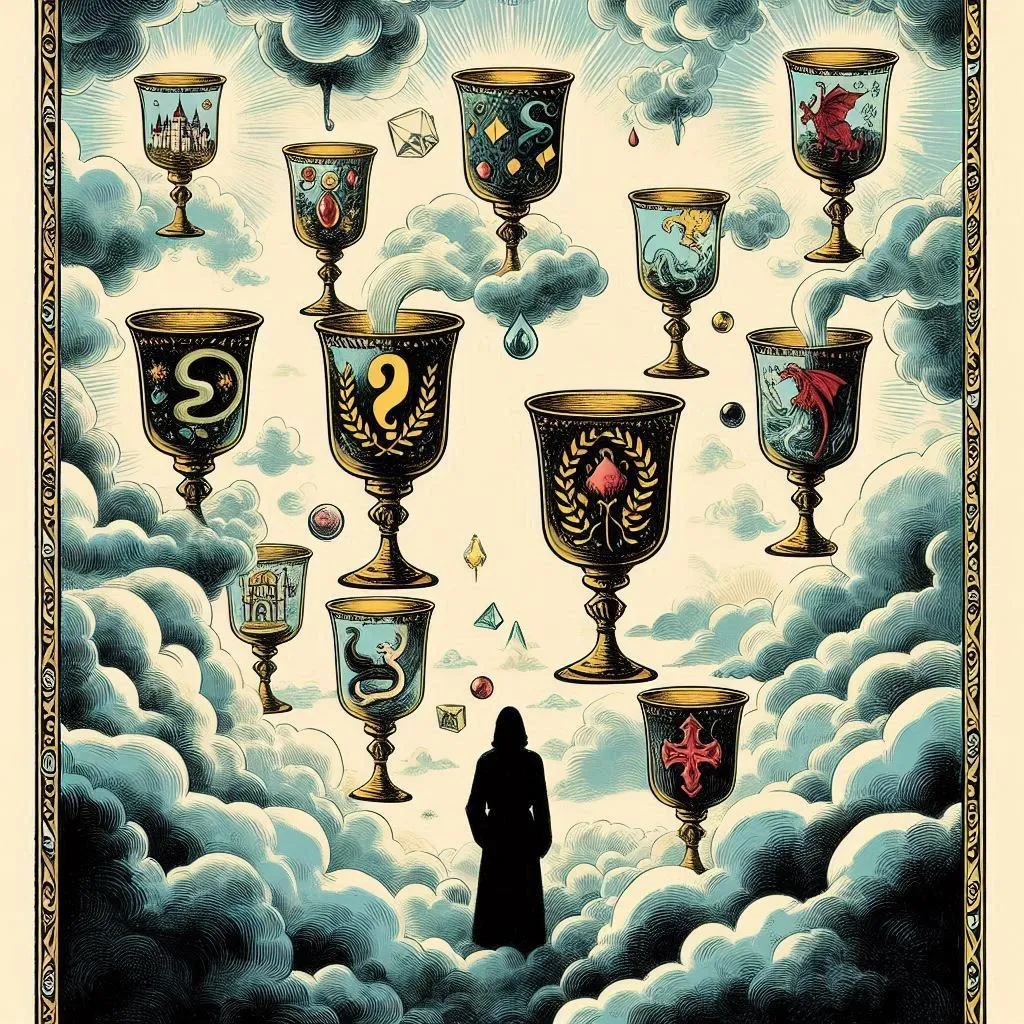
Seven of Cups
Illusion, choices, wishful thinking
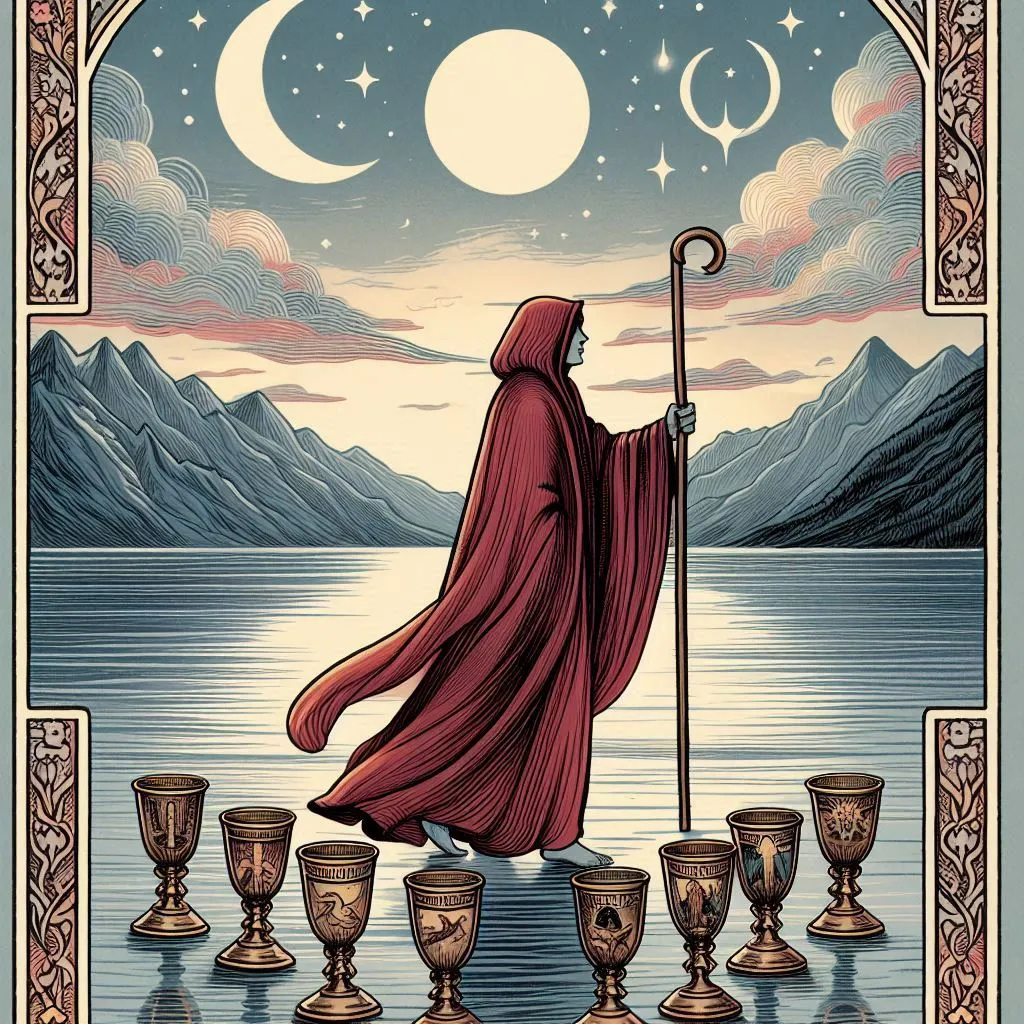
Eight of Cups
Disappointment, abandonment, withdrawal
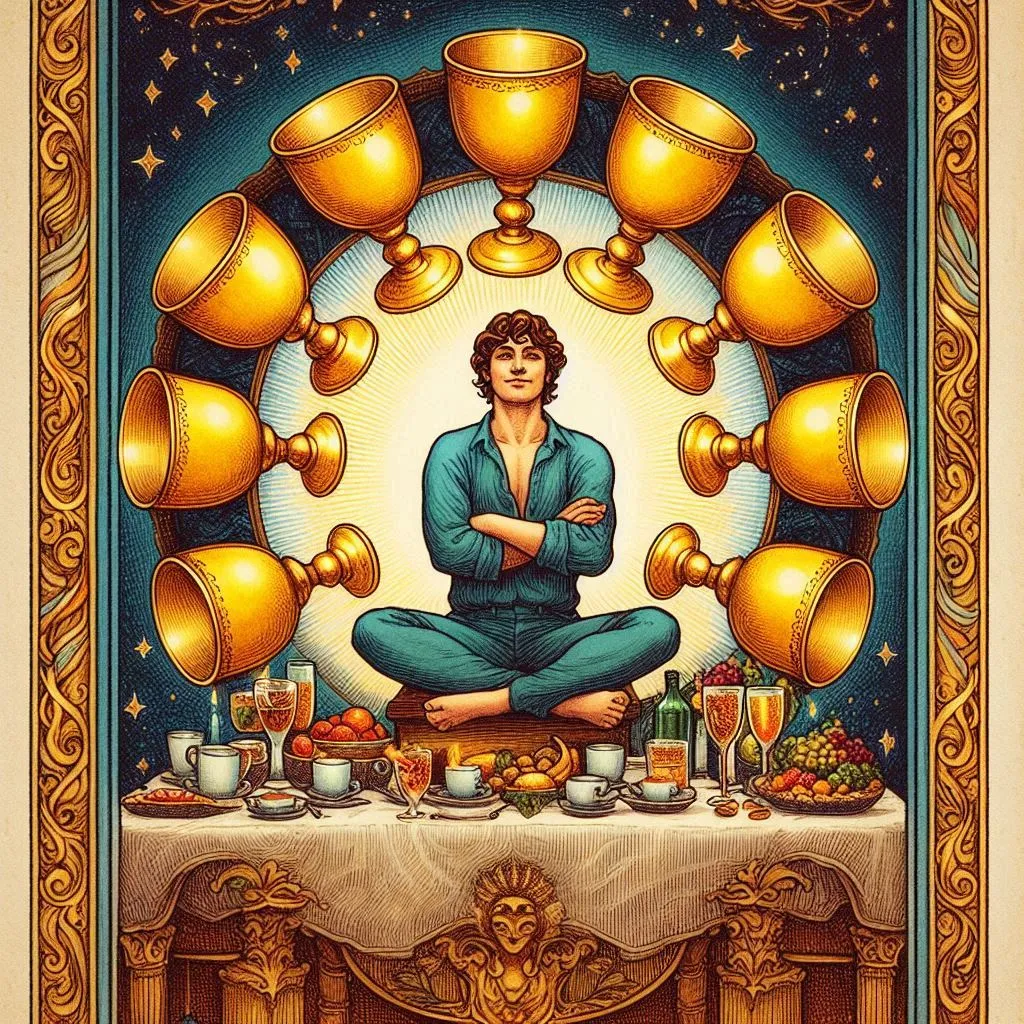
Nine of Cups
Satisfaction, emotional fulfillment, luxury
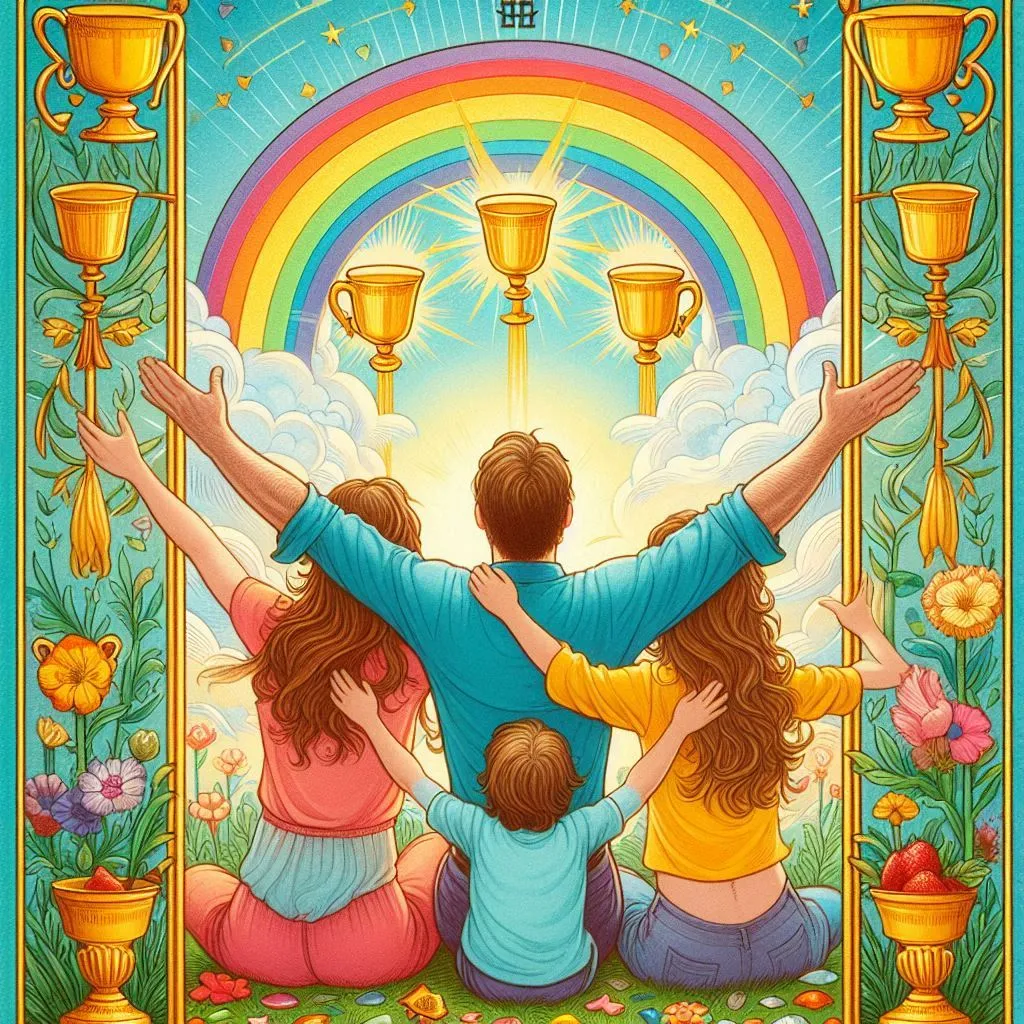
Ten of Cups
Emotional fulfillment, happiness, alignment
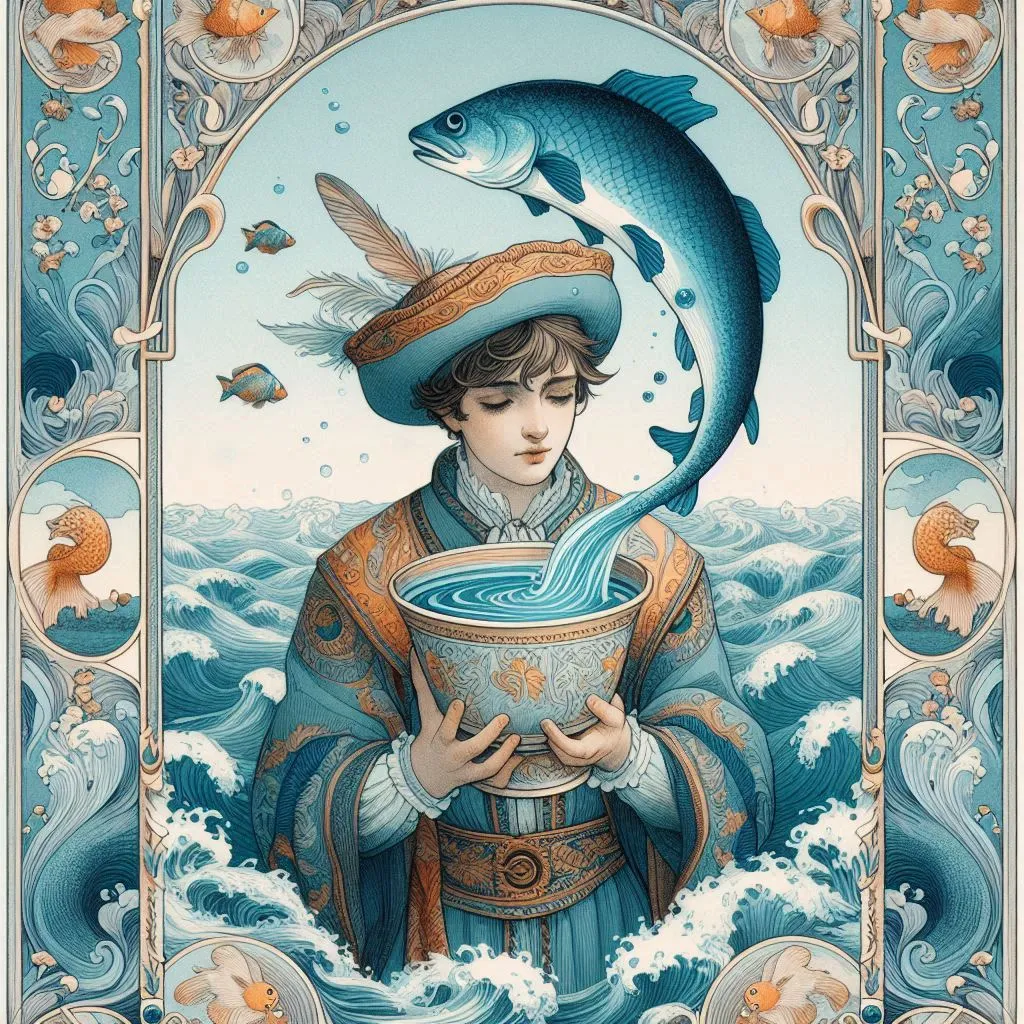
Page of Cups
Creative opportunities, intuitive messages
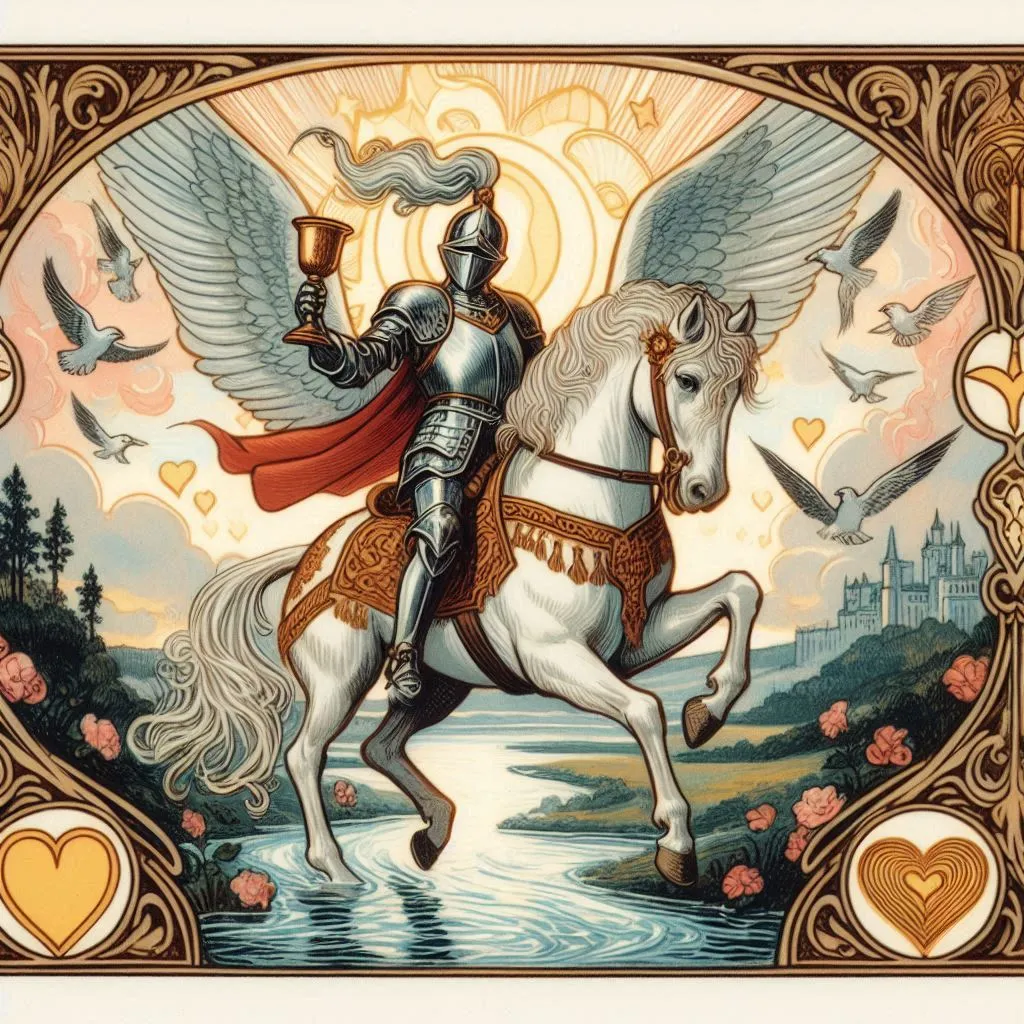
Knight of Cups
Romance, charm, imagination
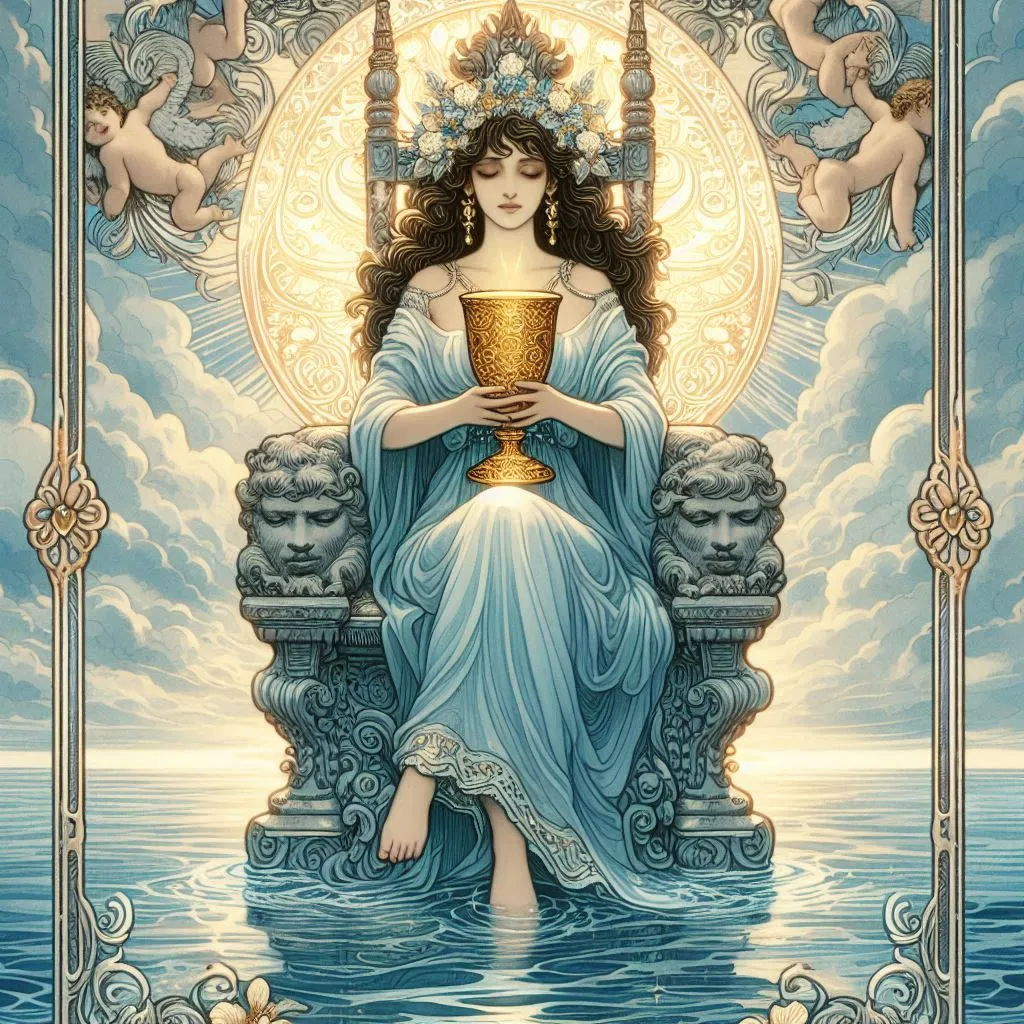
Queen of Cups
Compassion, calm, comfort
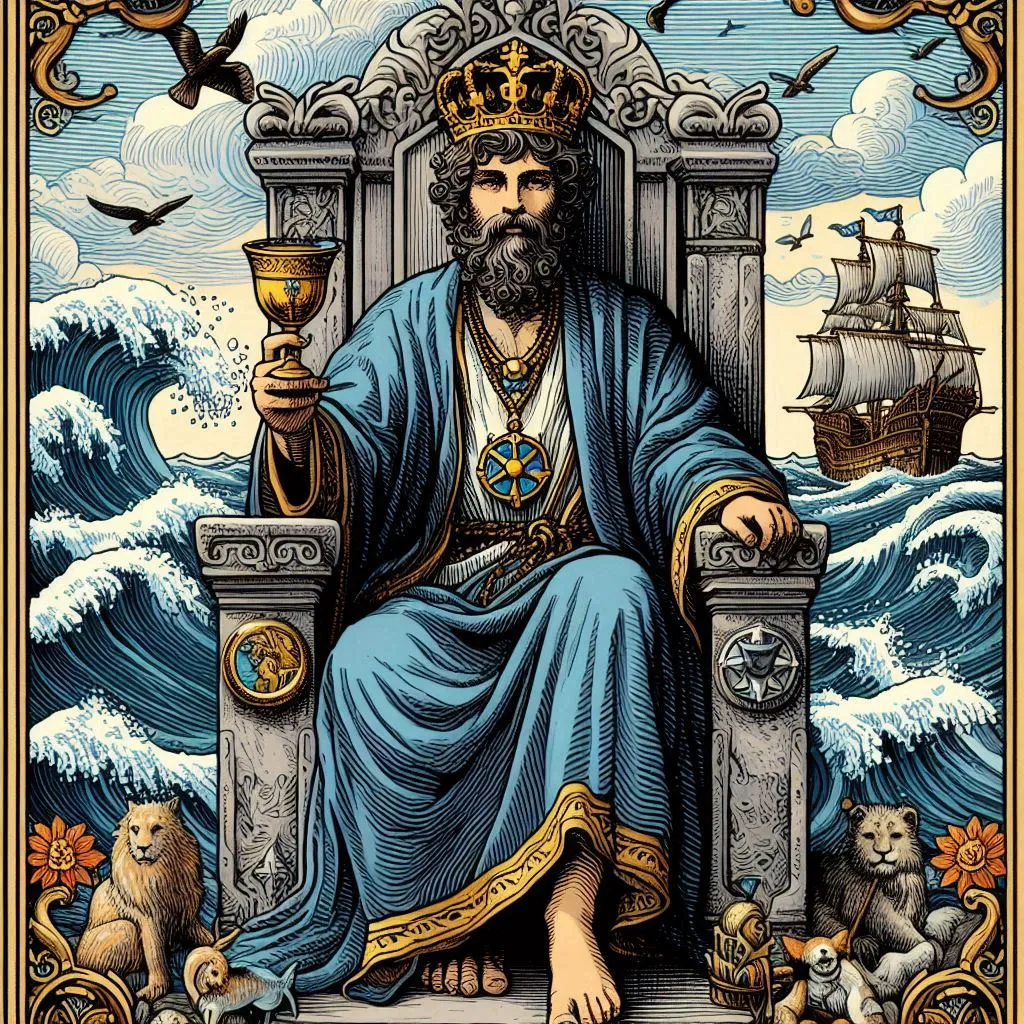
King of Cups
Emotional balance, compassion, diplomacy
⬟ Pentacles(14 cards)
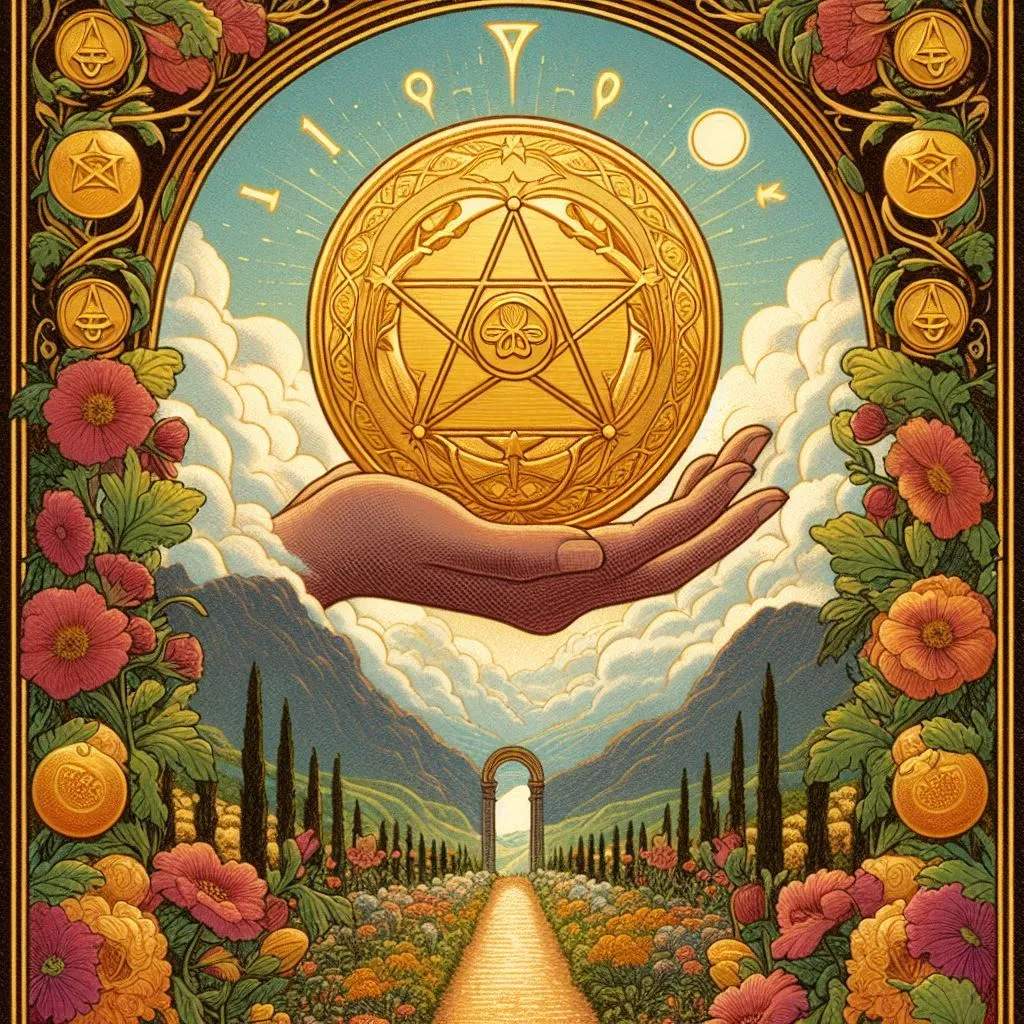
Ace of Pentacles
New financial opportunity, manifestation
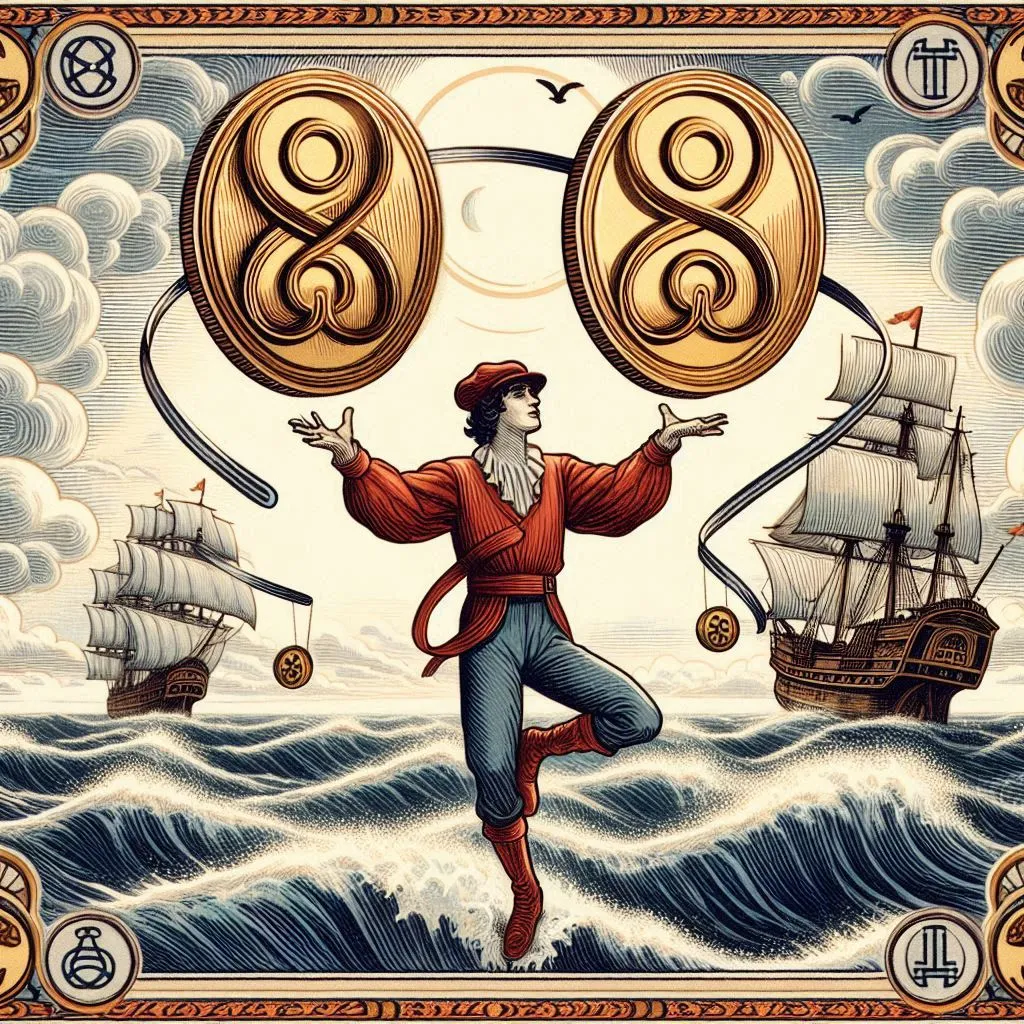
Two of Pentacles
Multiple priorities, time management, adaptability
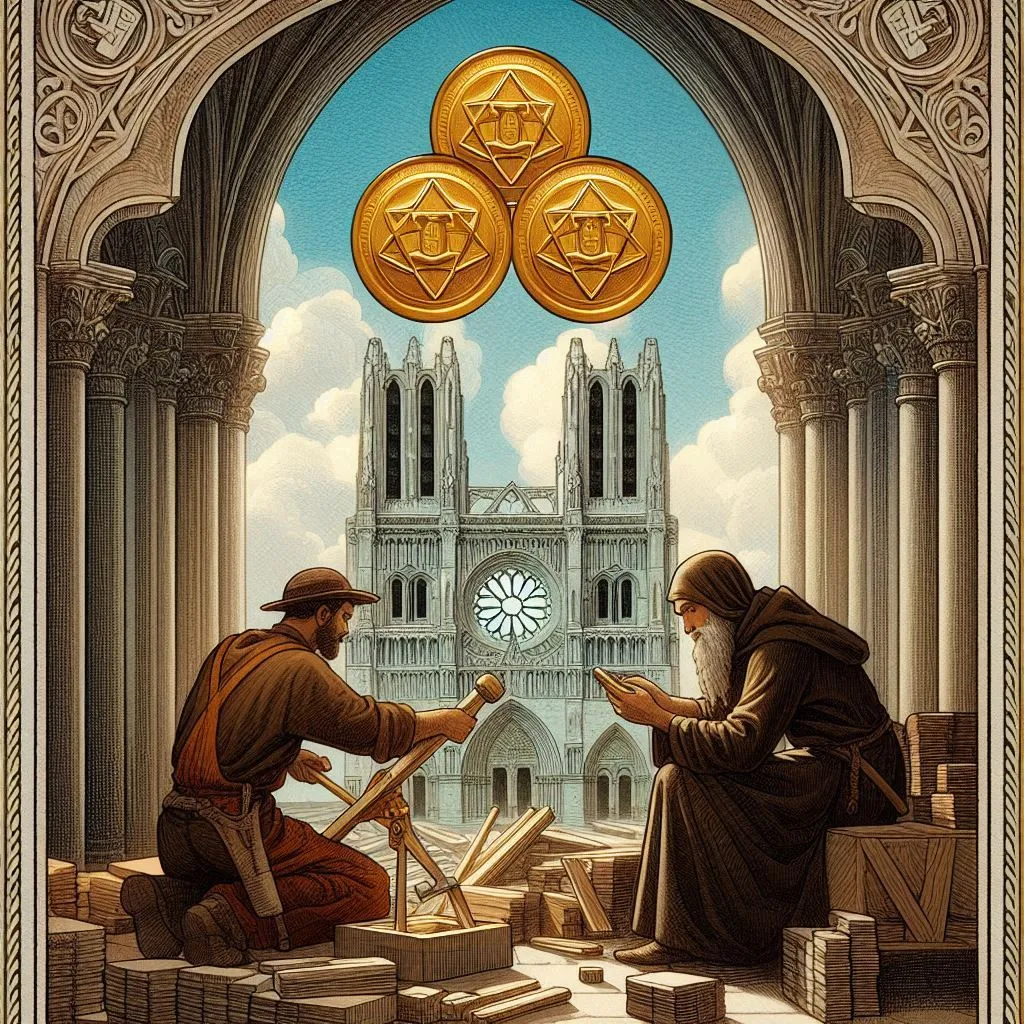
Three of Pentacles
Teamwork, collaboration, building
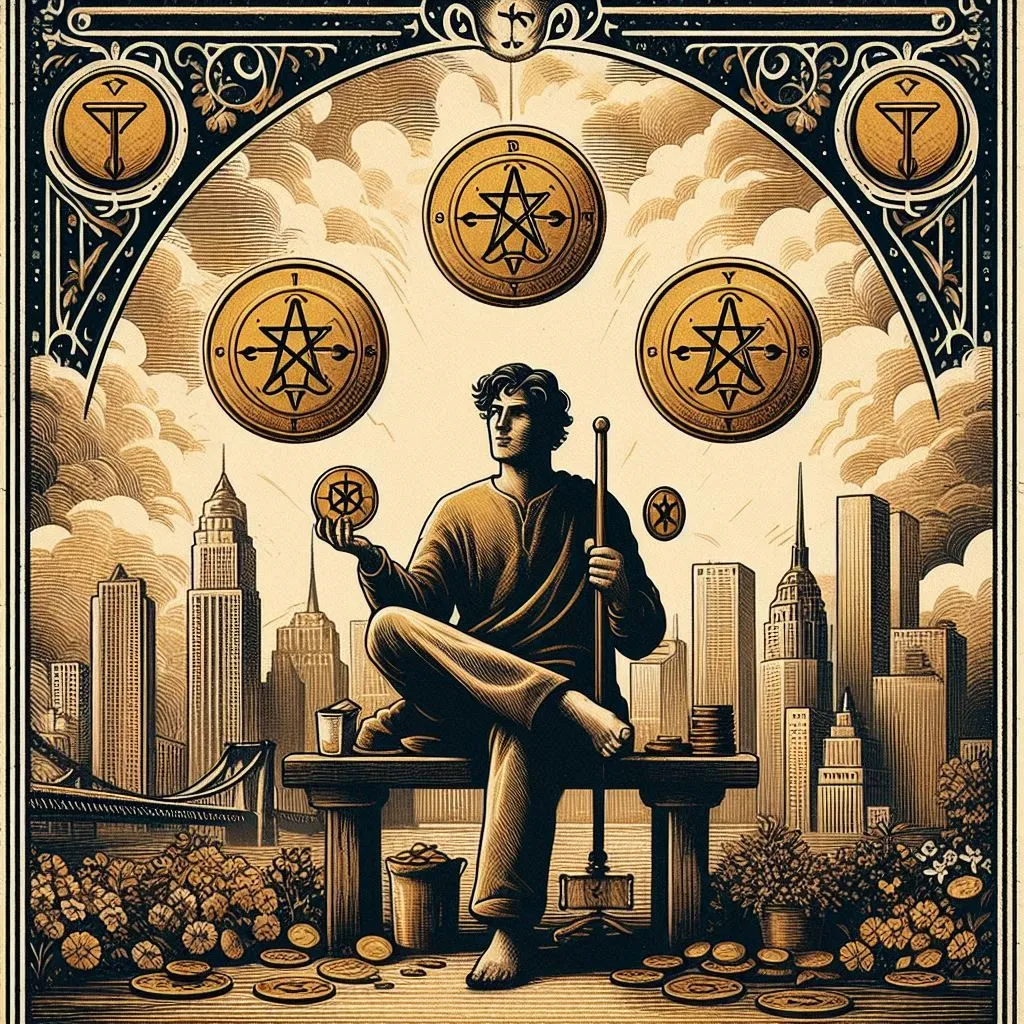
Four of Pentacles
Conservation, frugality, security
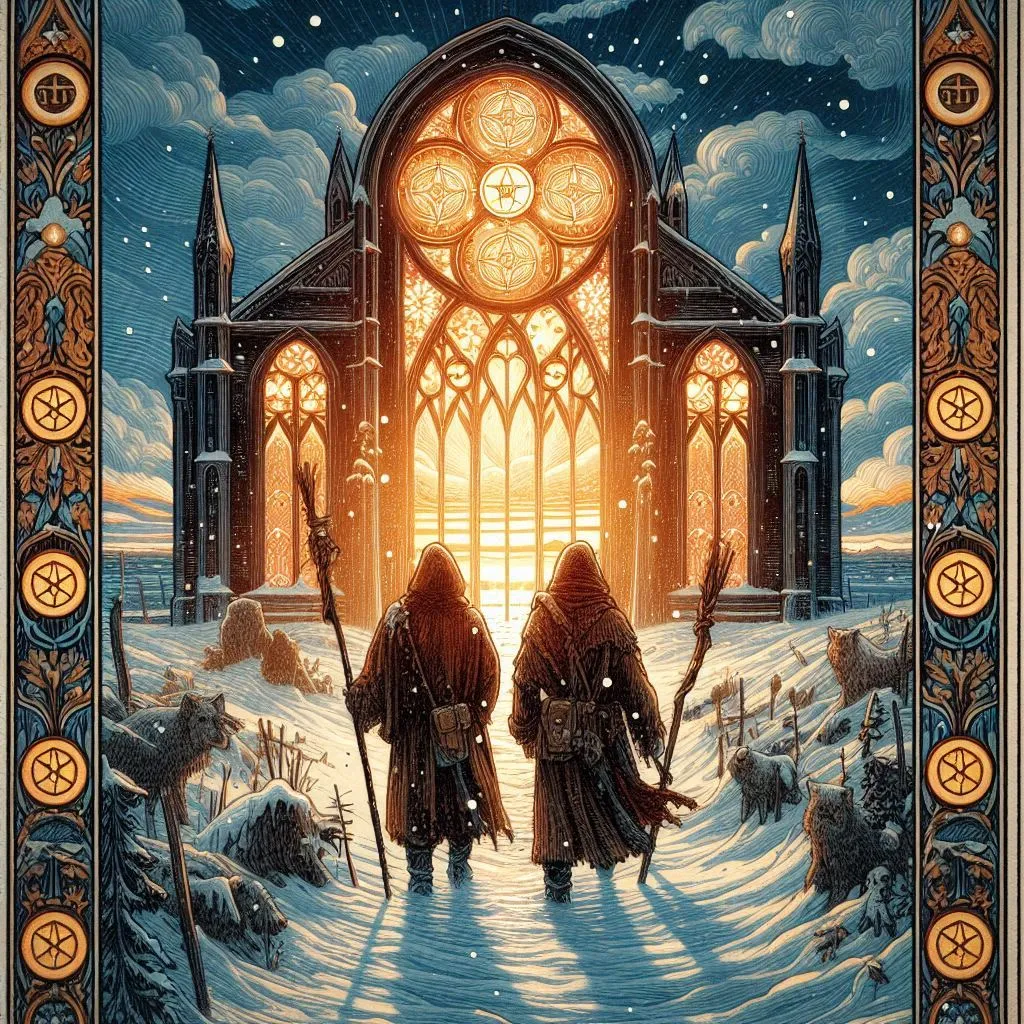
Five of Pentacles
Financial loss, poverty, isolation
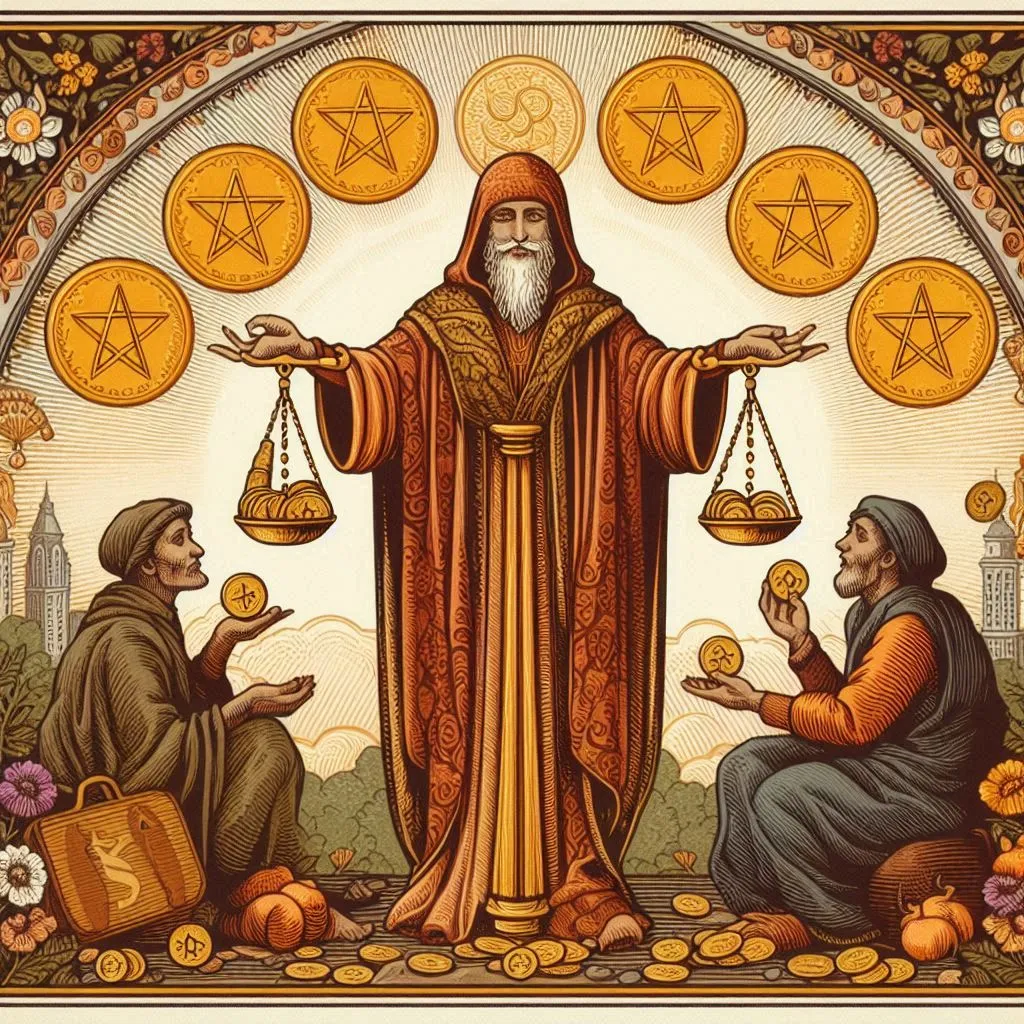
Six of Pentacles
Generosity, charity, sharing
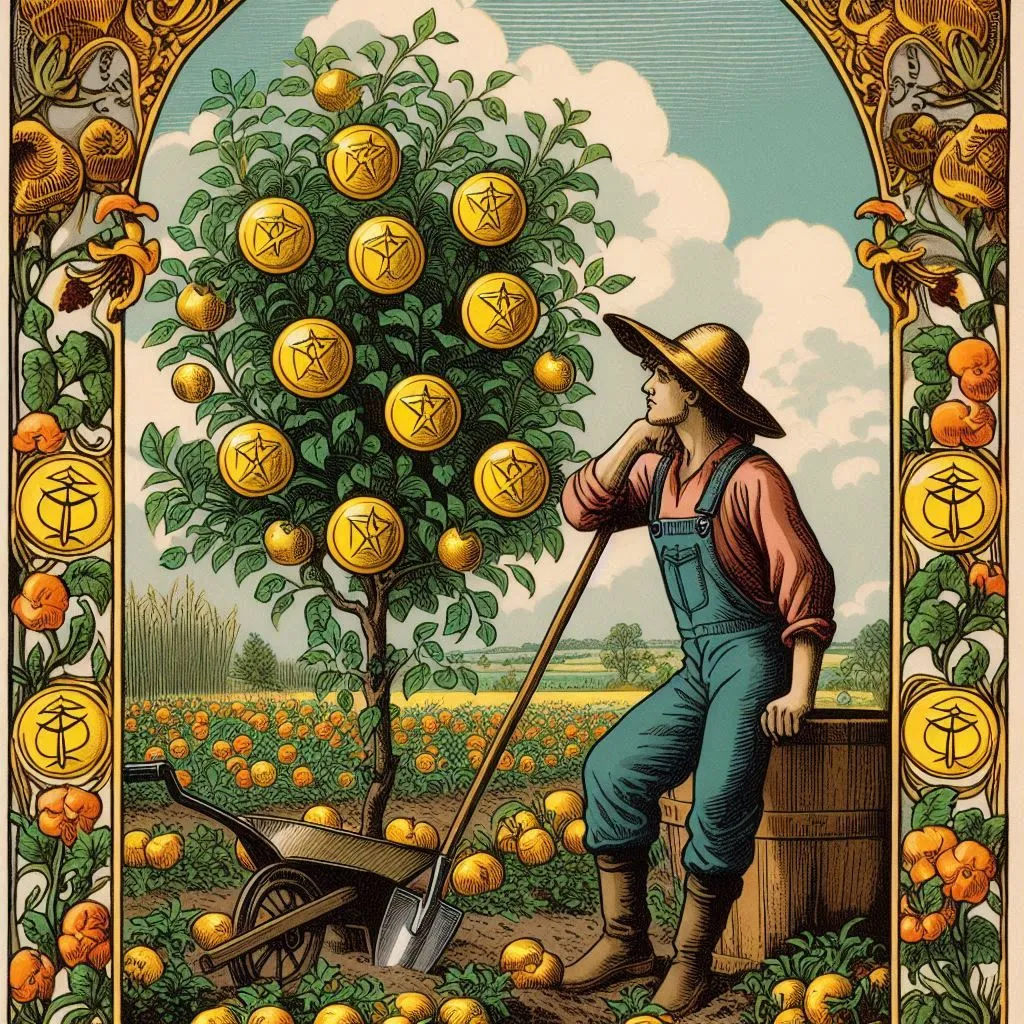
Seven of Pentacles
Assessment, hard work, perseverance
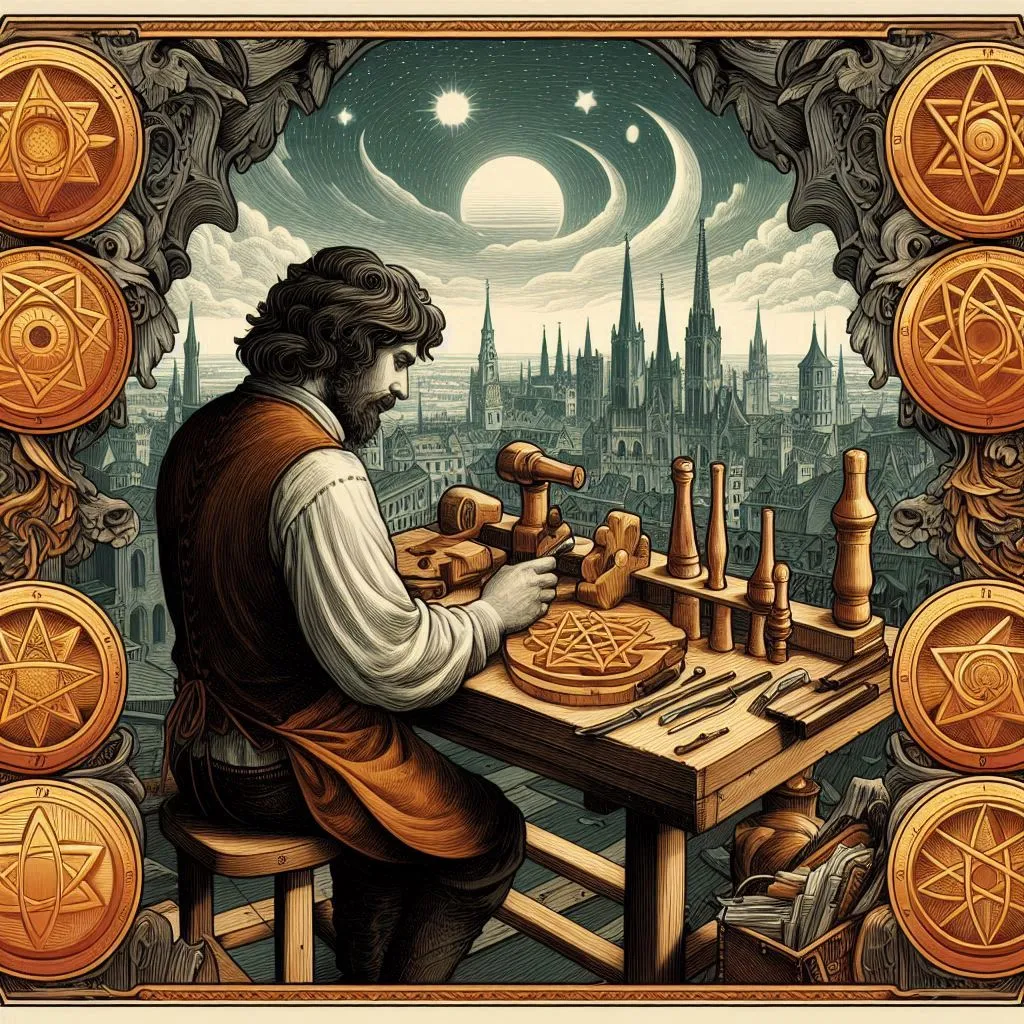
Eight of Pentacles
Skill development, quality, expertise
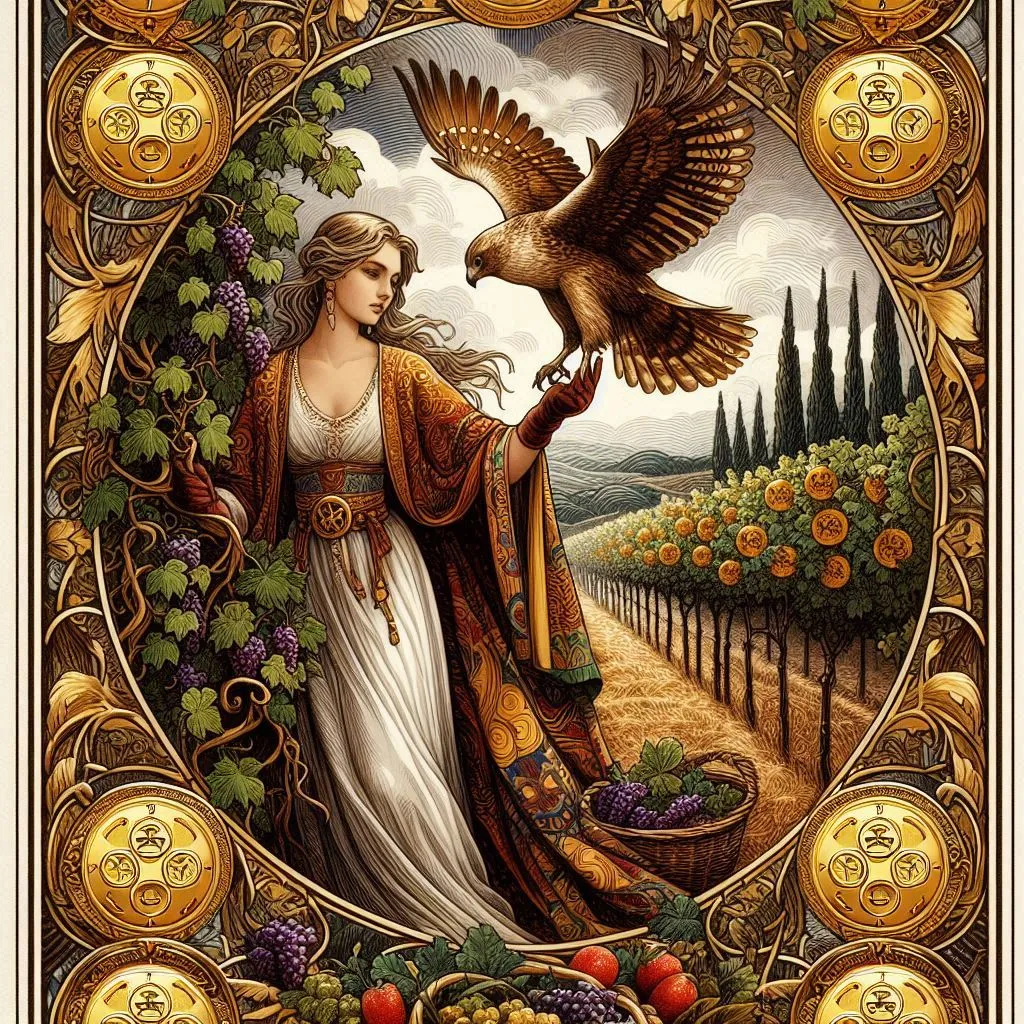
Nine of Pentacles
Abundance, luxury, self-reliance
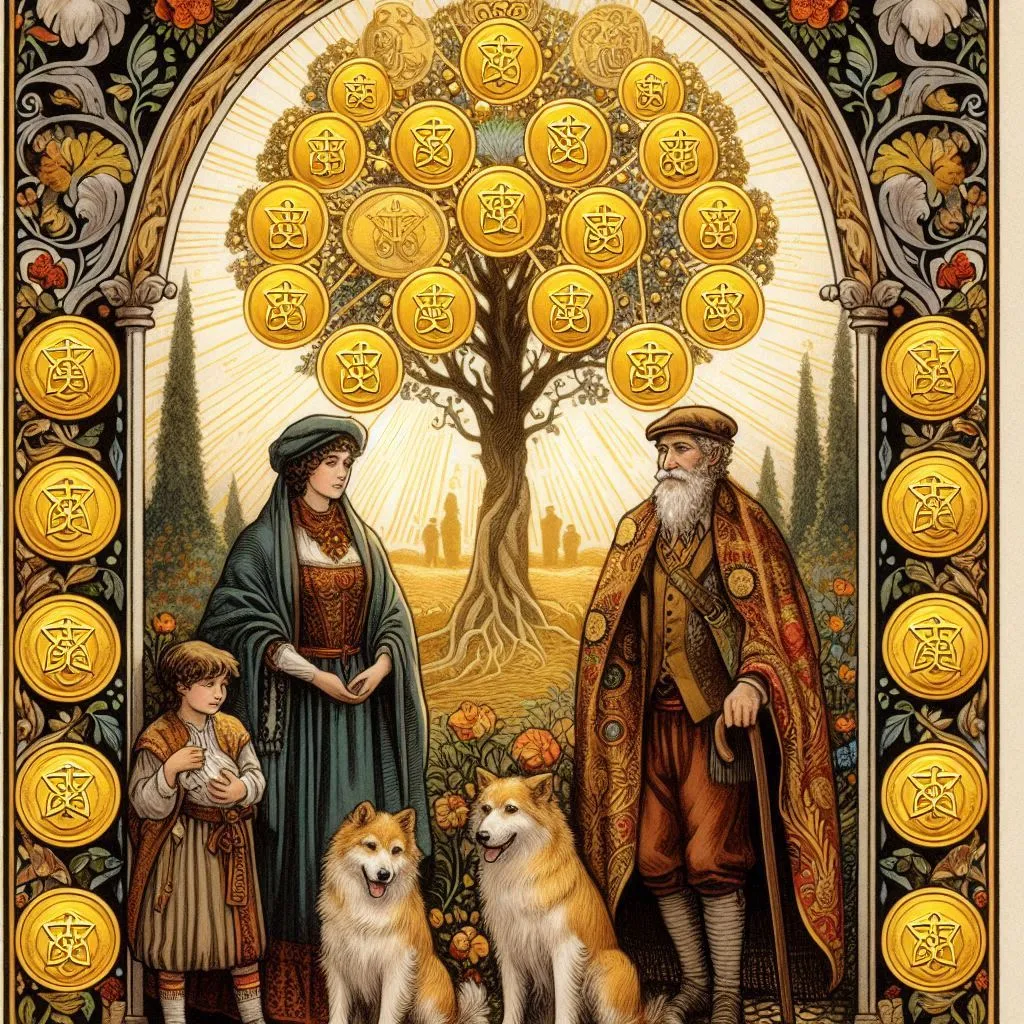
Ten of Pentacles
Wealth, financial security, family
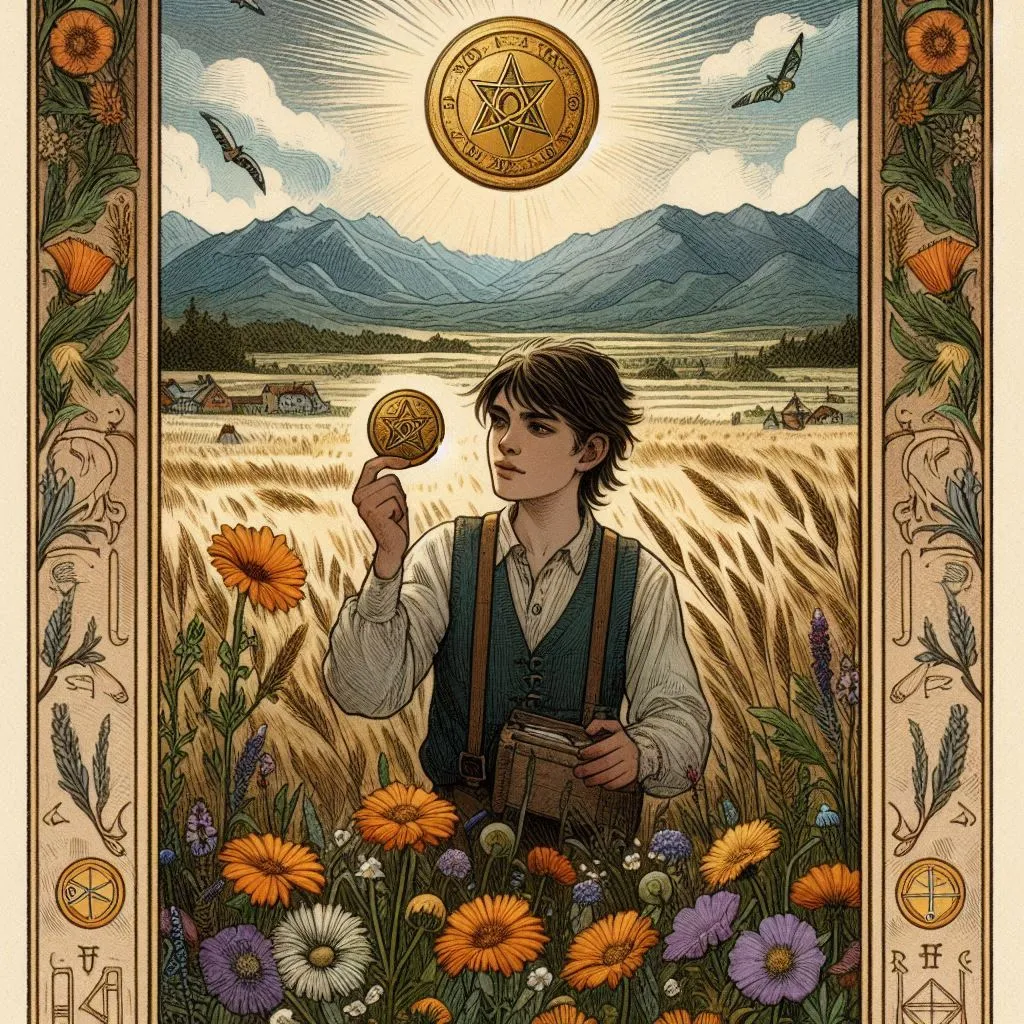
Page of Pentacles
Manifestation, financial opportunity, skill development
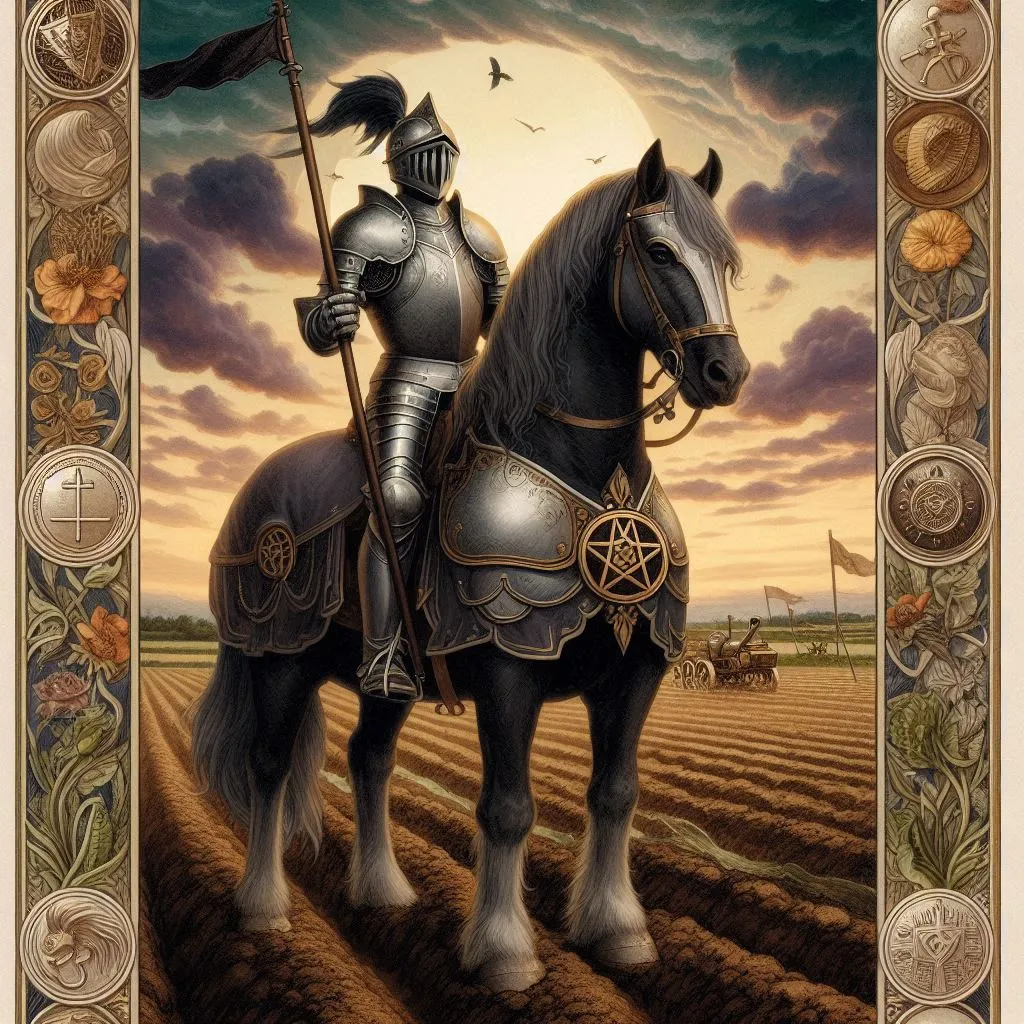
Knight of Pentacles
Efficiency, routine, conservatism
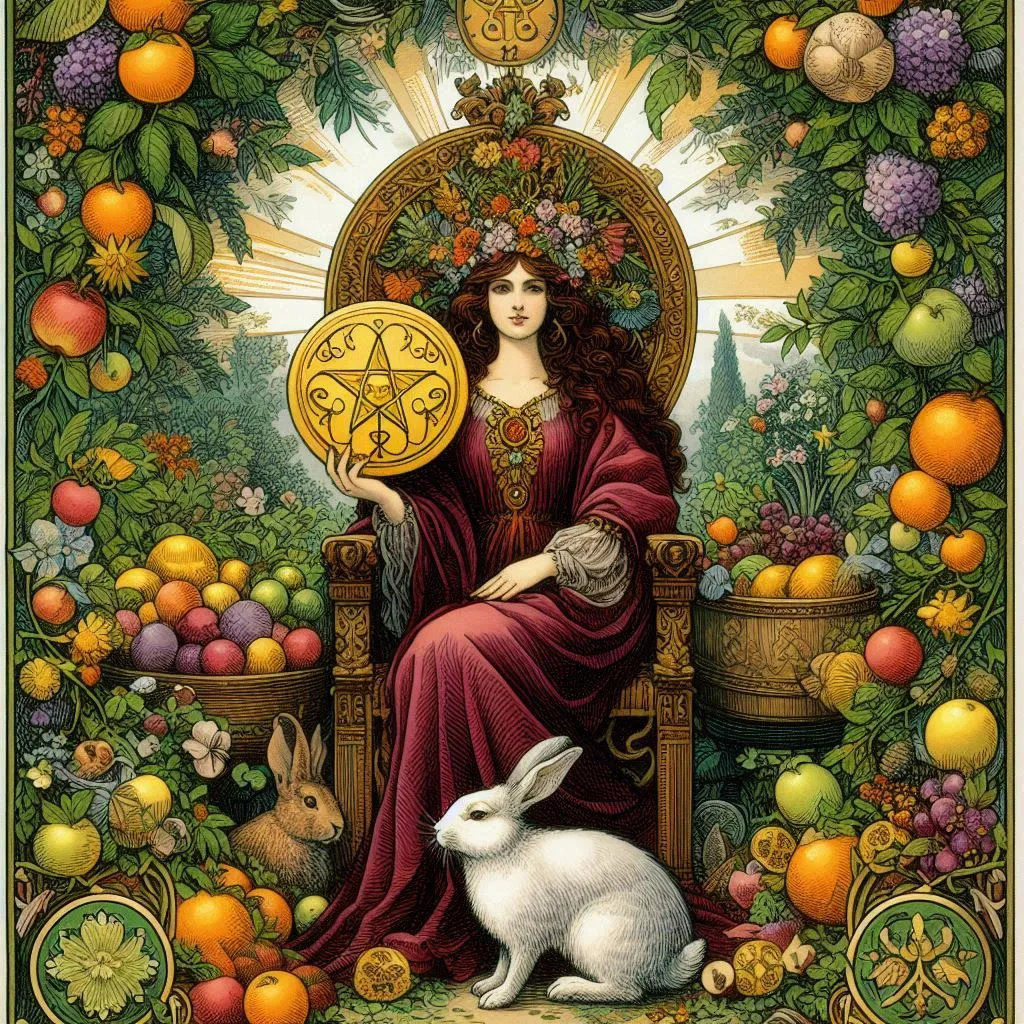
Queen of Pentacles
Nurturing, practical, providing
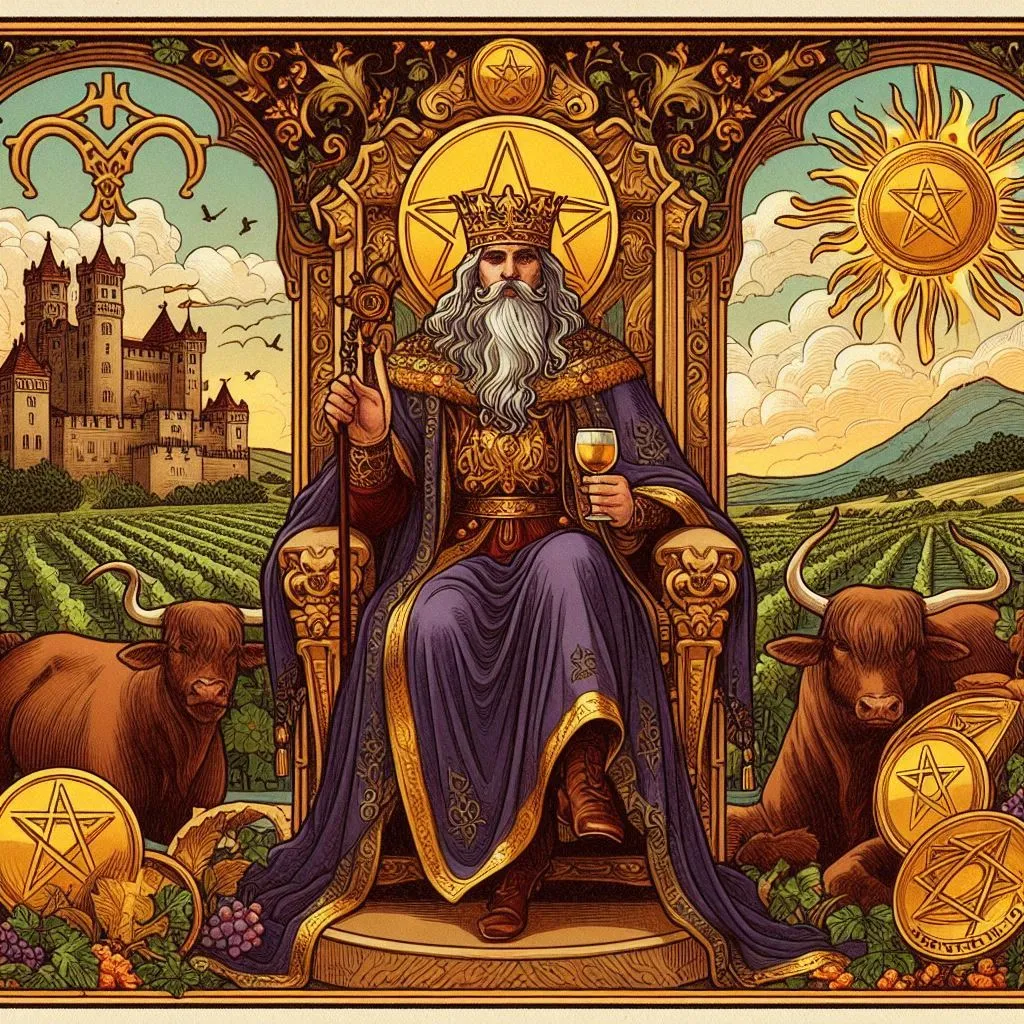
King of Pentacles
Financial success, security, discipline
⚔ Swords(14 cards)
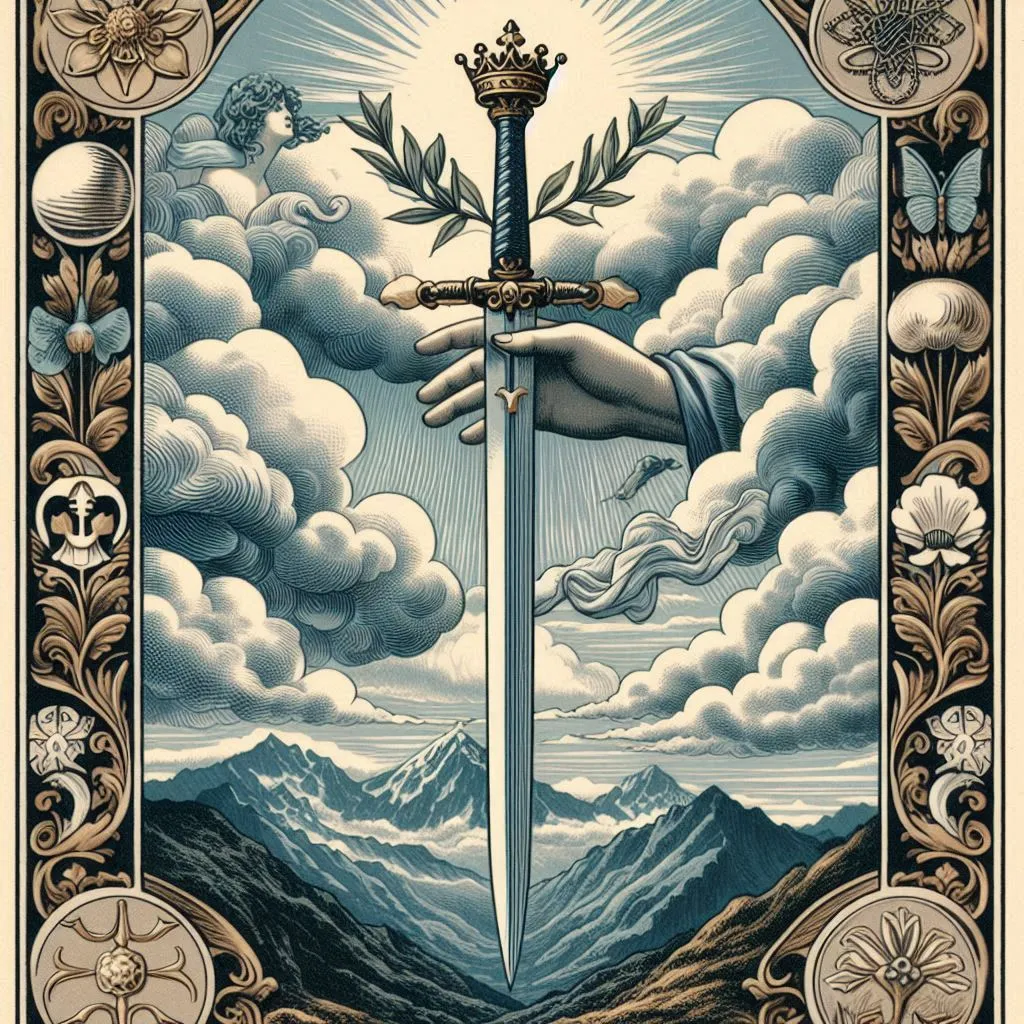
Ace of Swords
New ideas, mental clarity, breakthrough
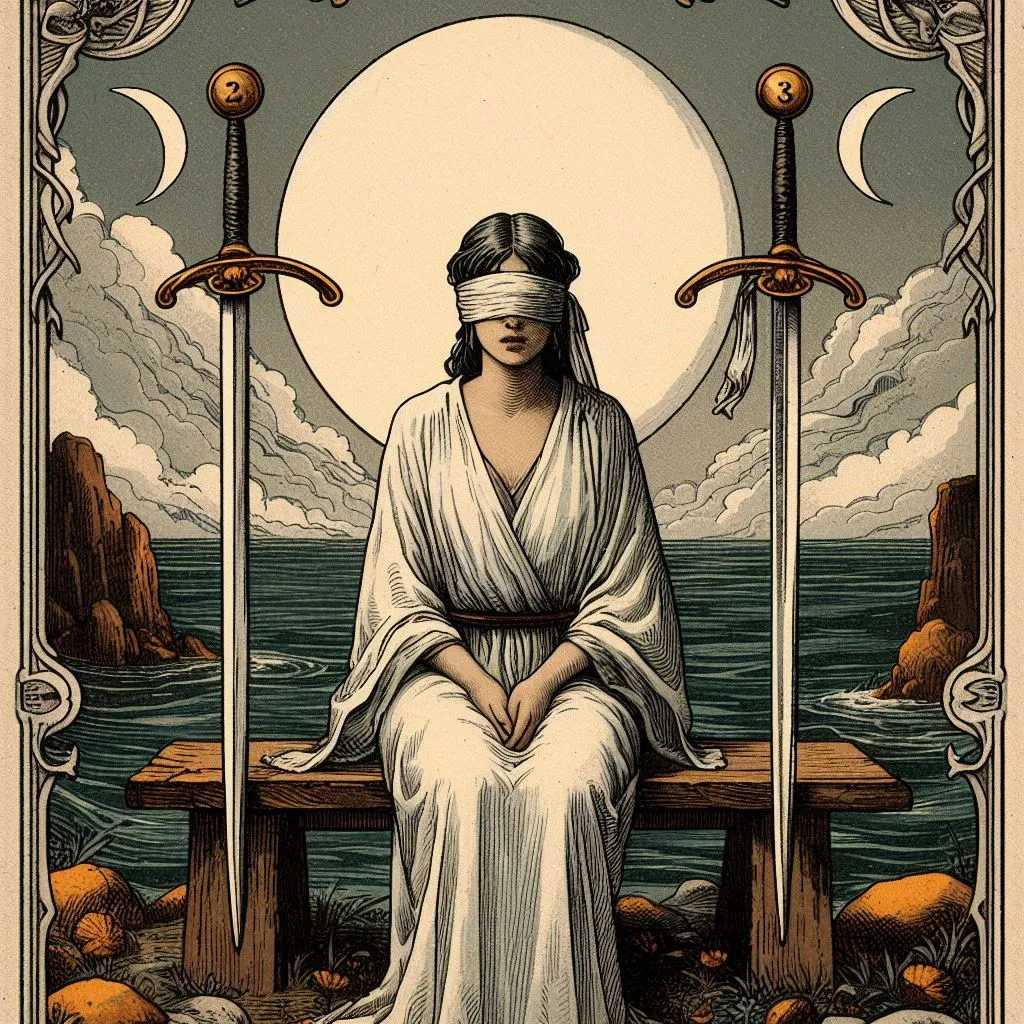
Two of Swords
Difficult decisions, weighing options, indecision
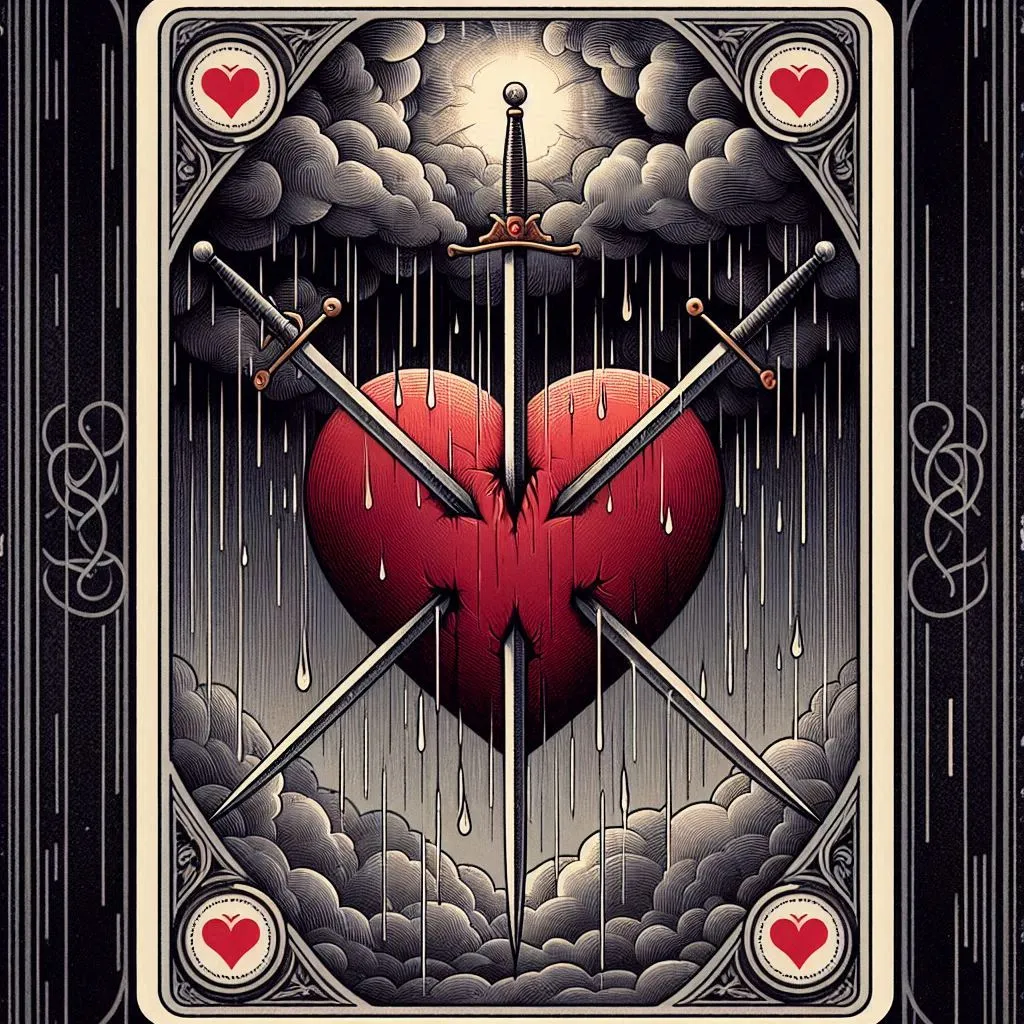
Three of Swords
Heartbreak, emotional pain, sorrow
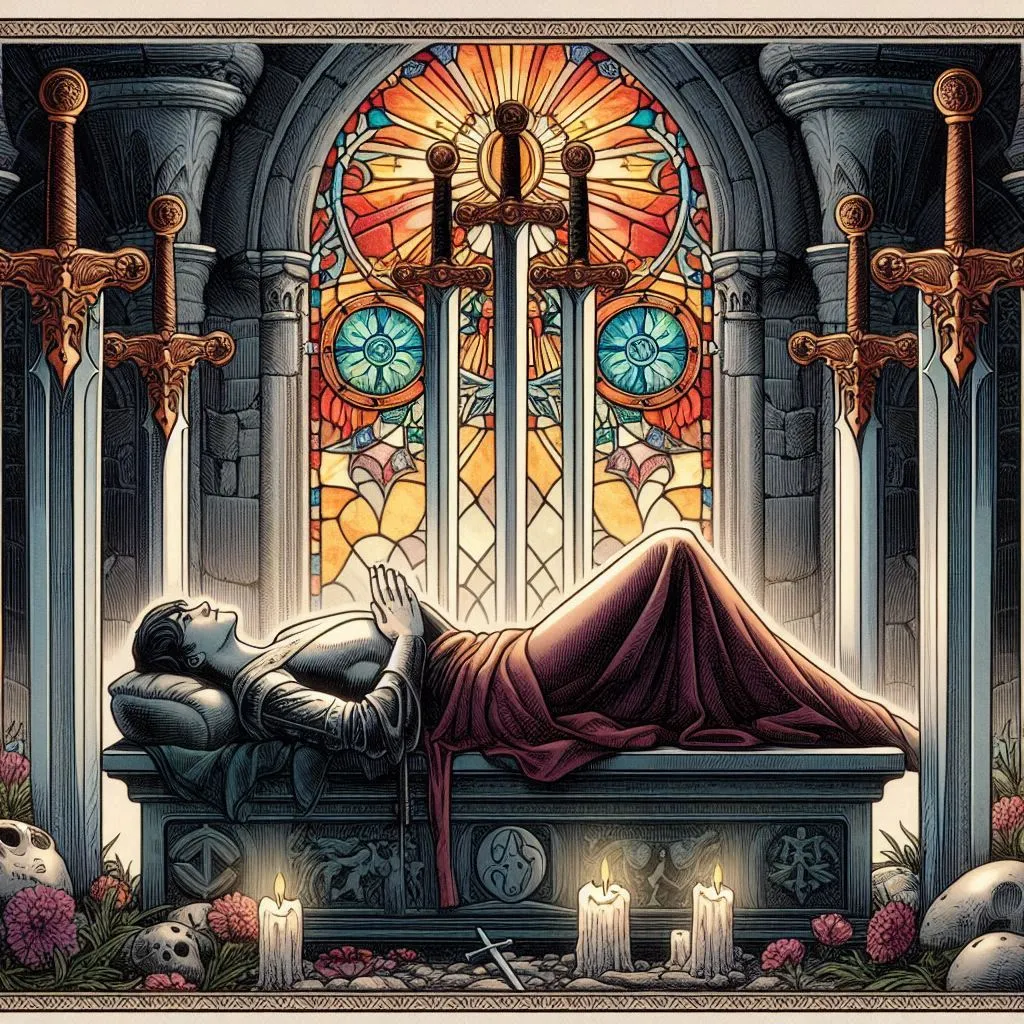
Four of Swords
Rest, relaxation, meditation
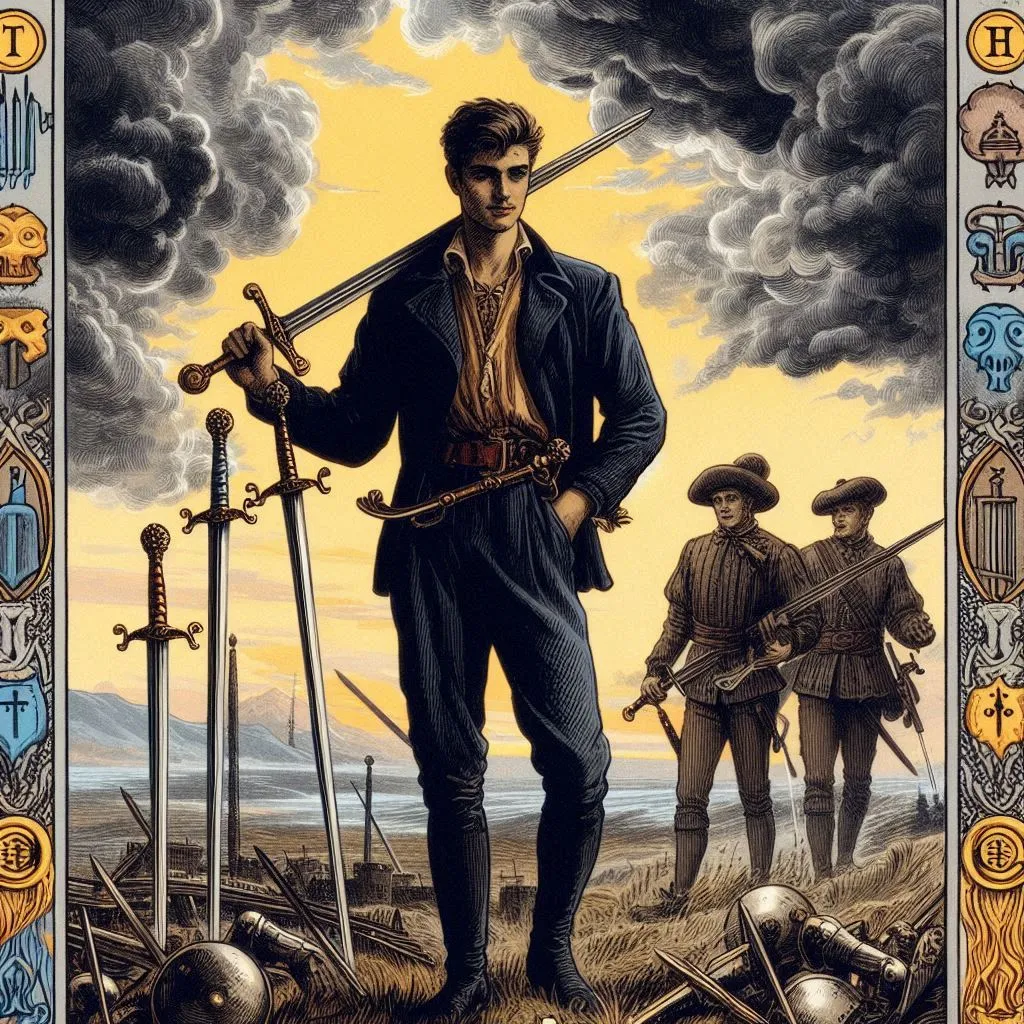
Five of Swords
Conflict, disagreements, competition
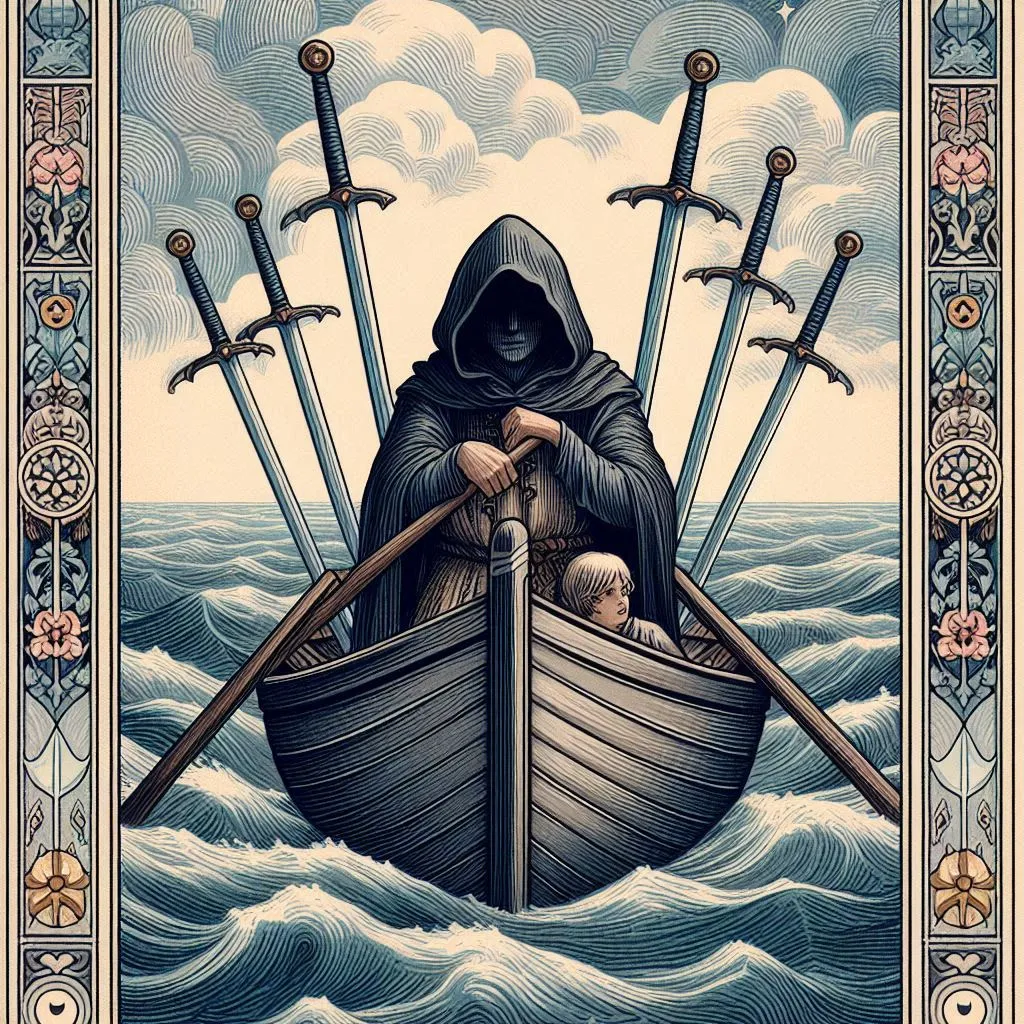
Six of Swords
Transition, change, rite of passage
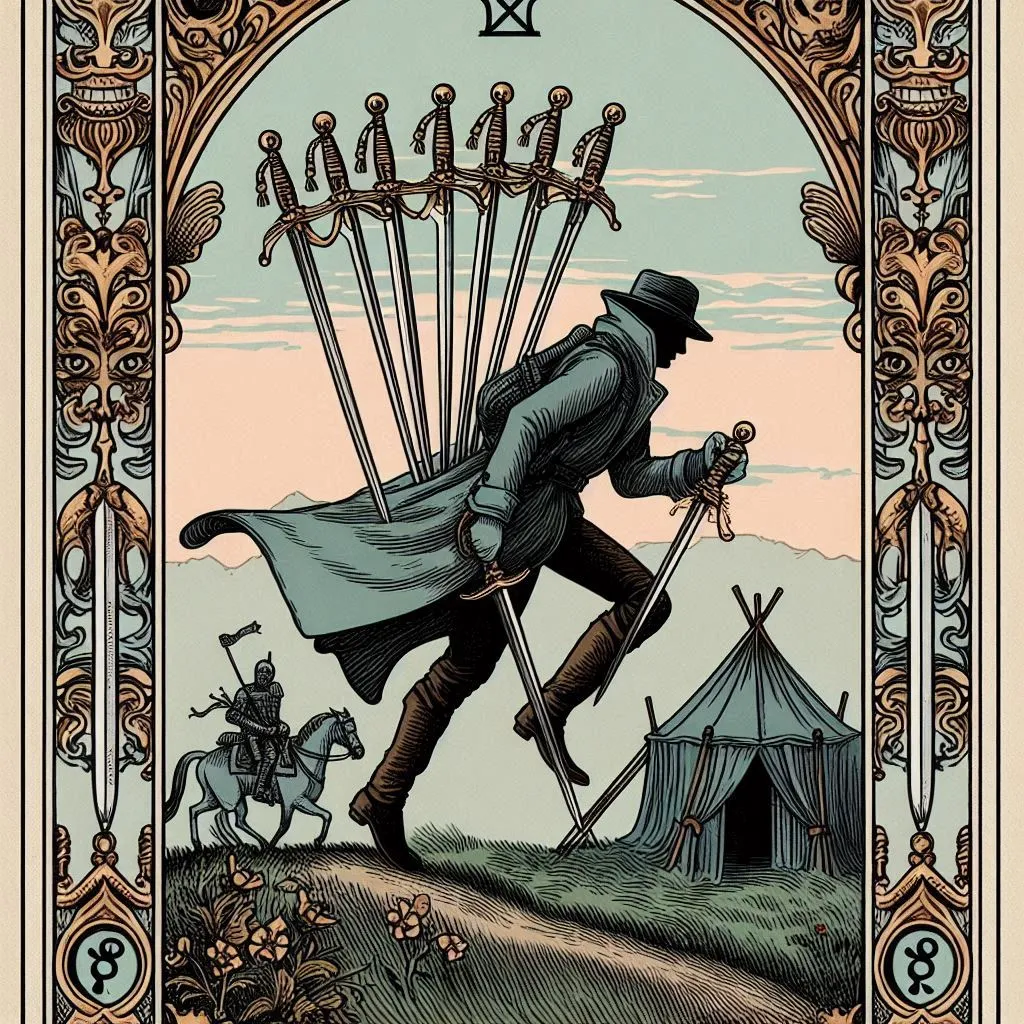
Seven of Swords
Deception, trickery, tactics
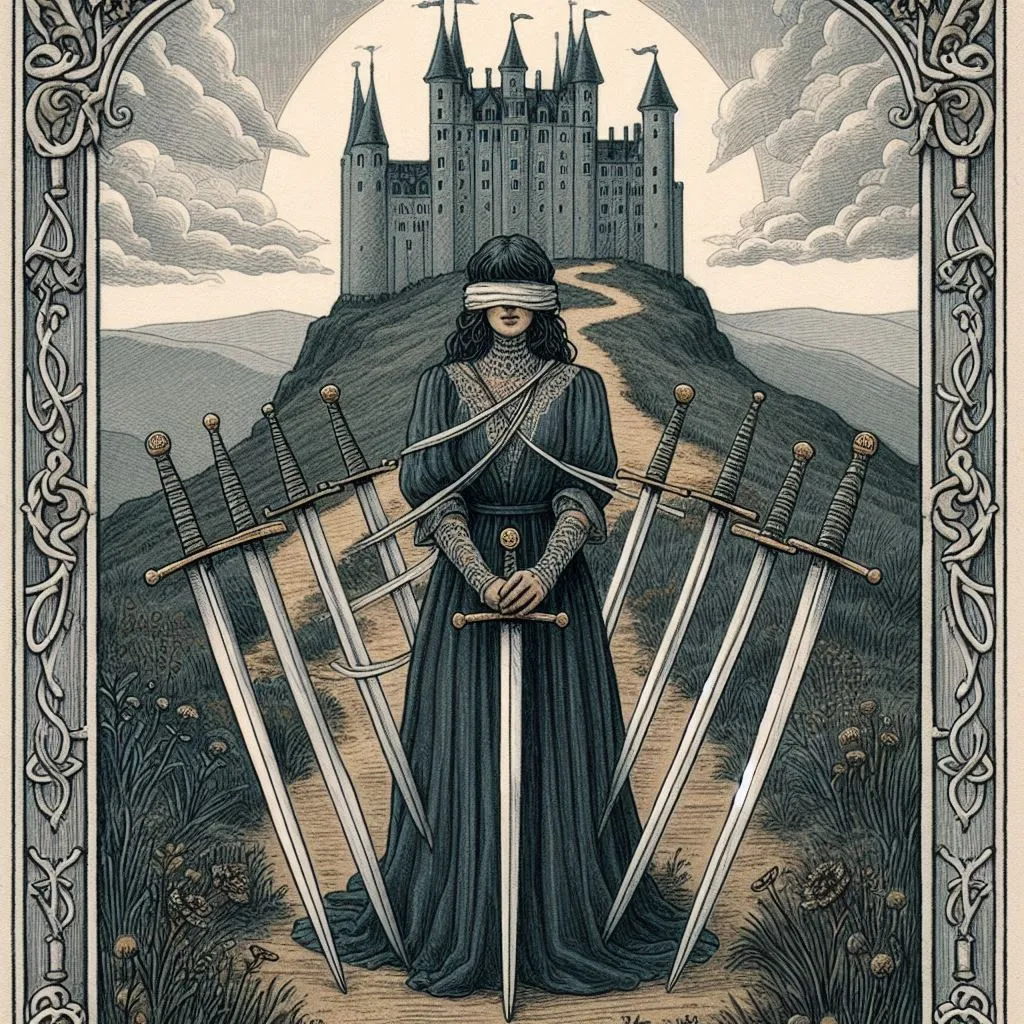
Eight of Swords
Isolation, restriction, imprisonment
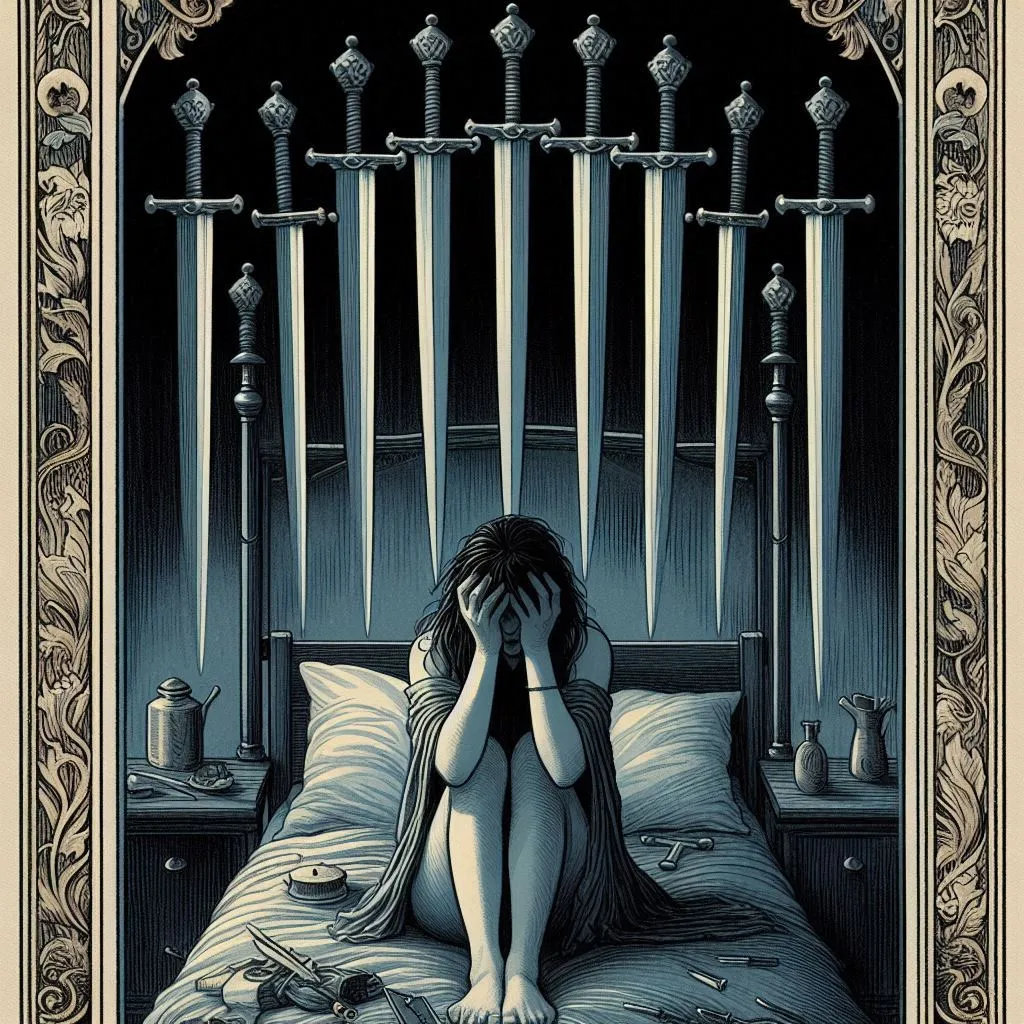
Nine of Swords
Anxiety, worry, fear
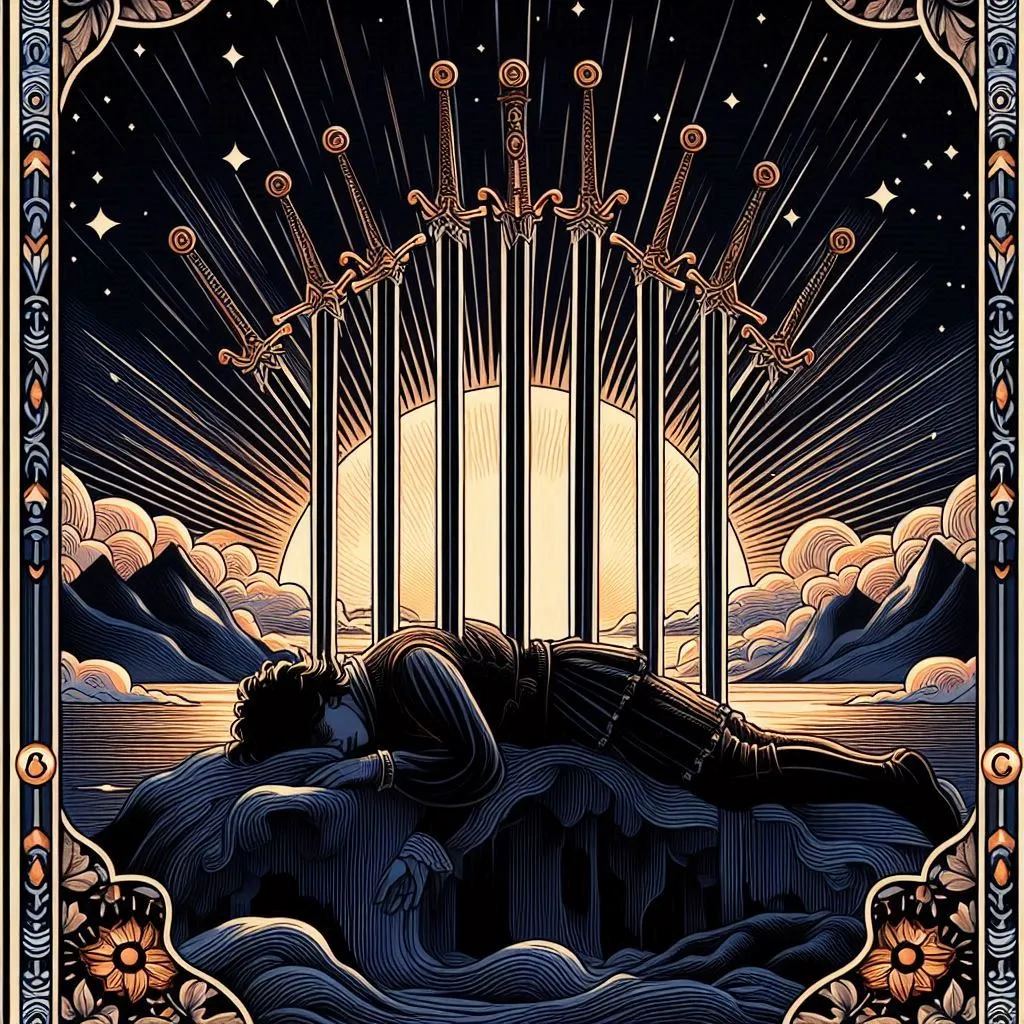
Ten of Swords
Painful endings, deep wounds, betrayal
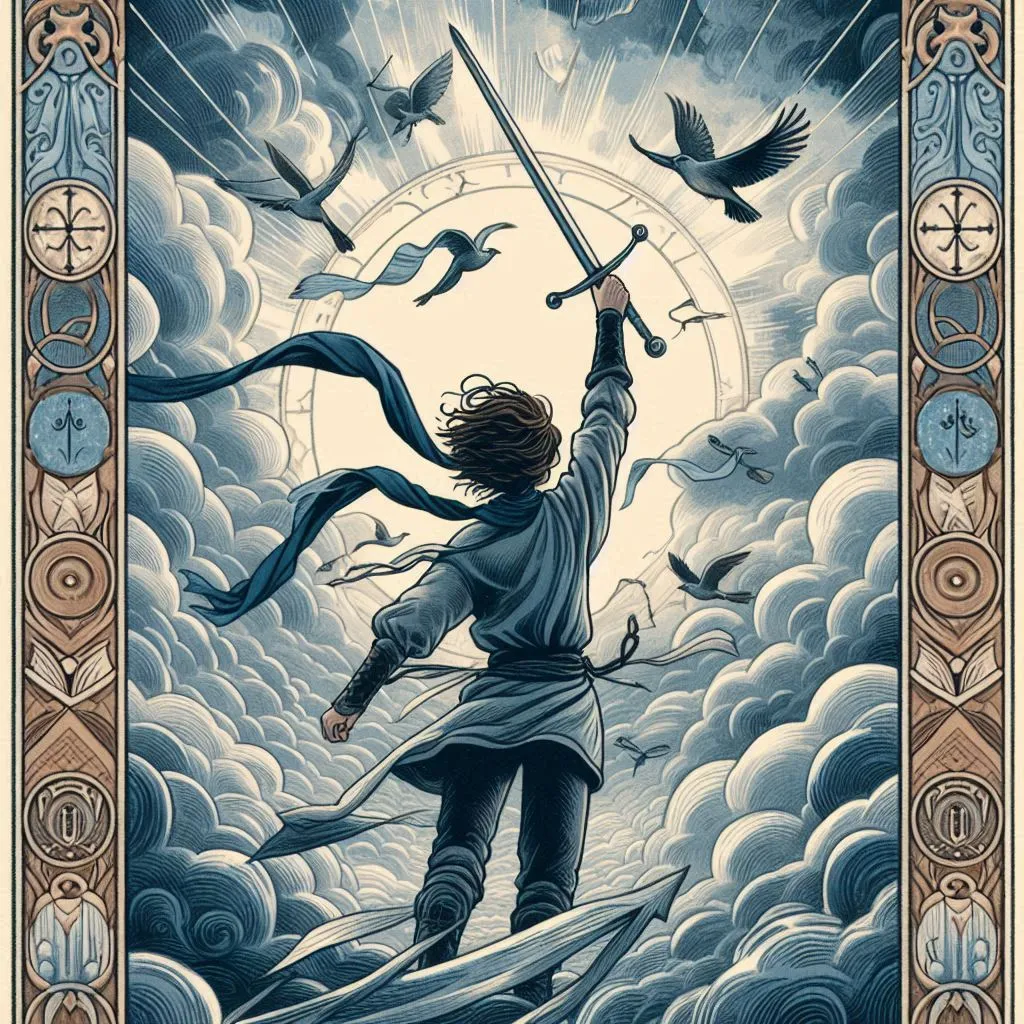
Page of Swords
New ideas, curiosity, restlessness
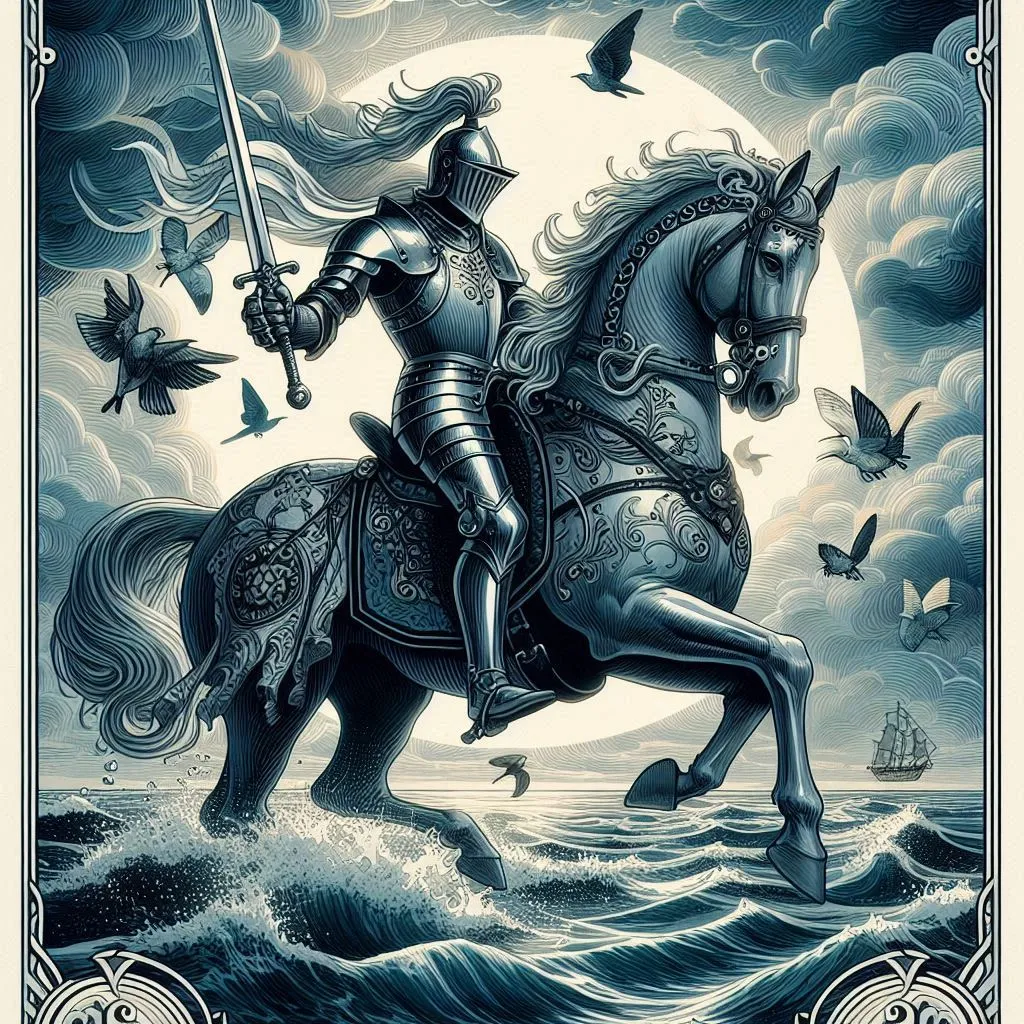
Knight of Swords
Ambition, drive, determination
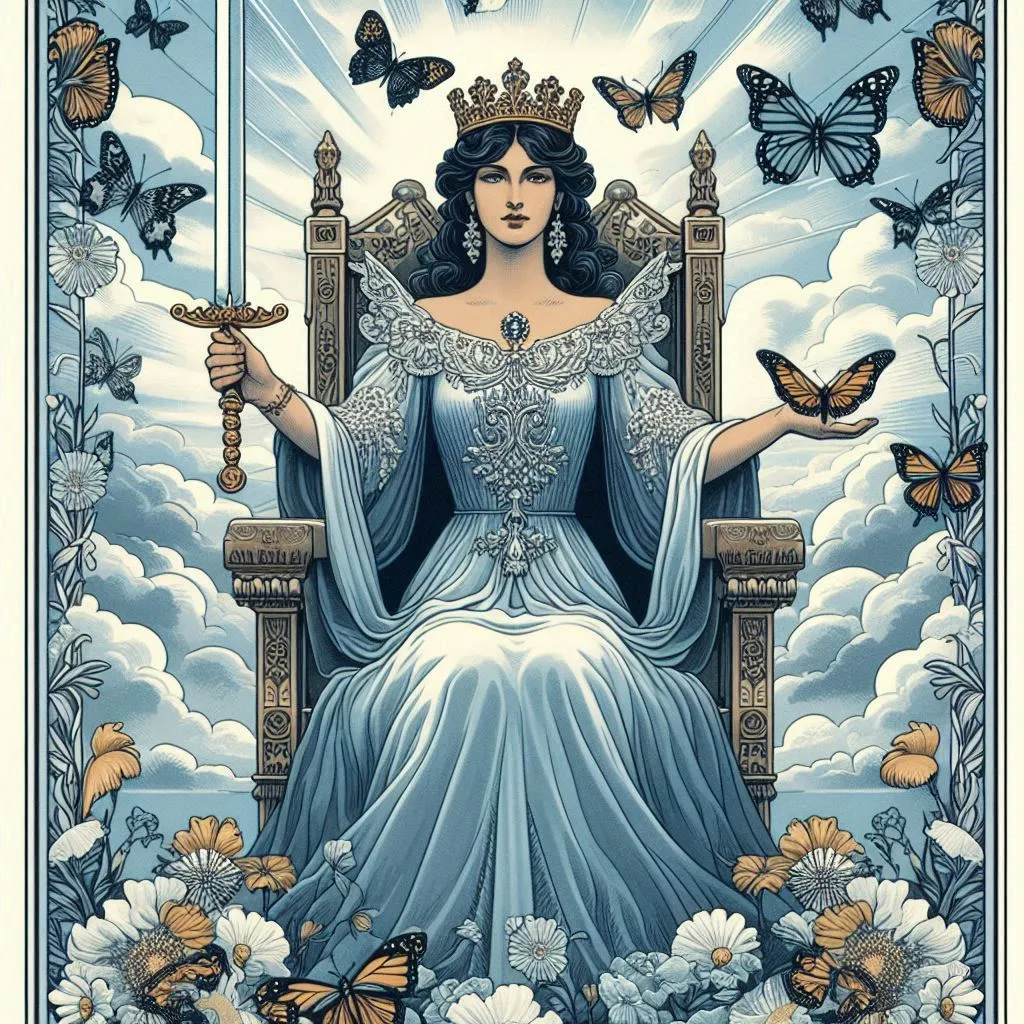
Queen of Swords
Independence, unbiased judgement, clear boundaries
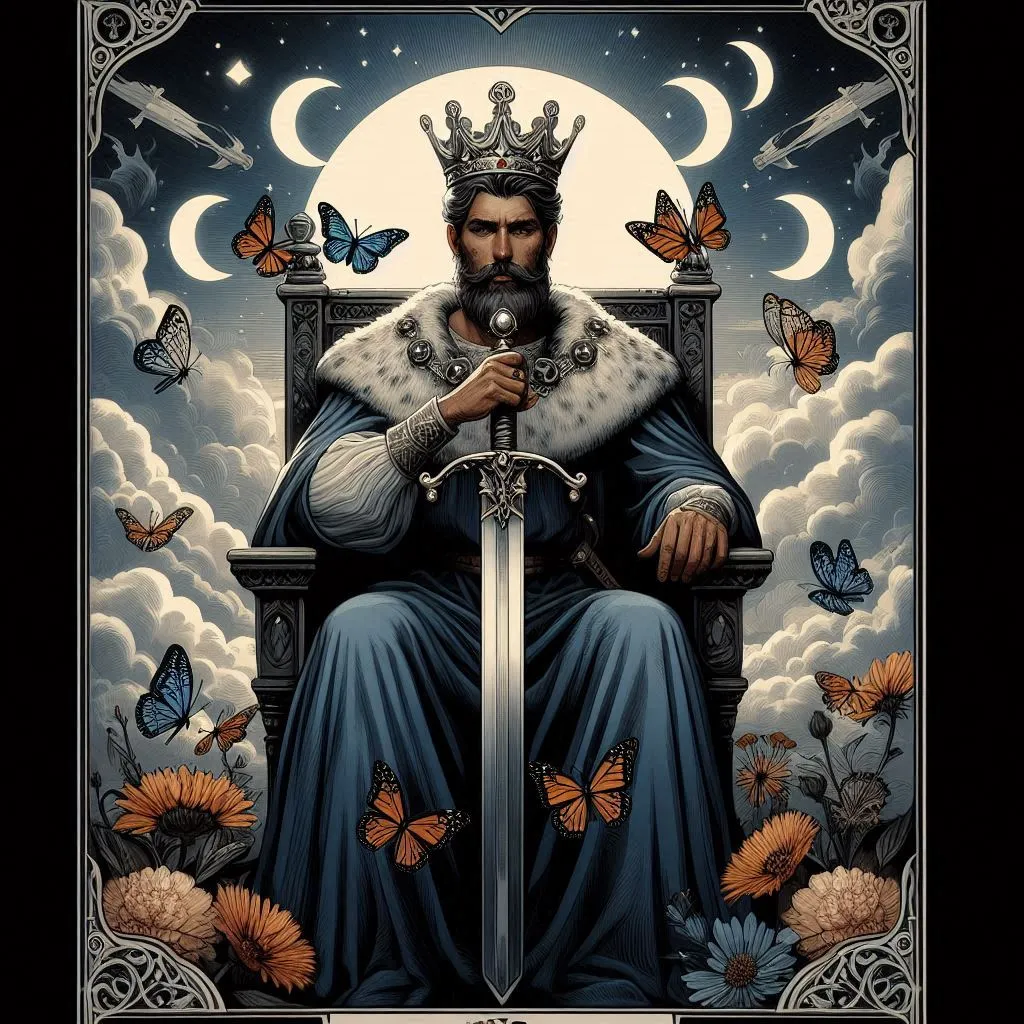
King of Swords
Mental clarity, intellectual power, authority
⚡ Wands(14 cards)
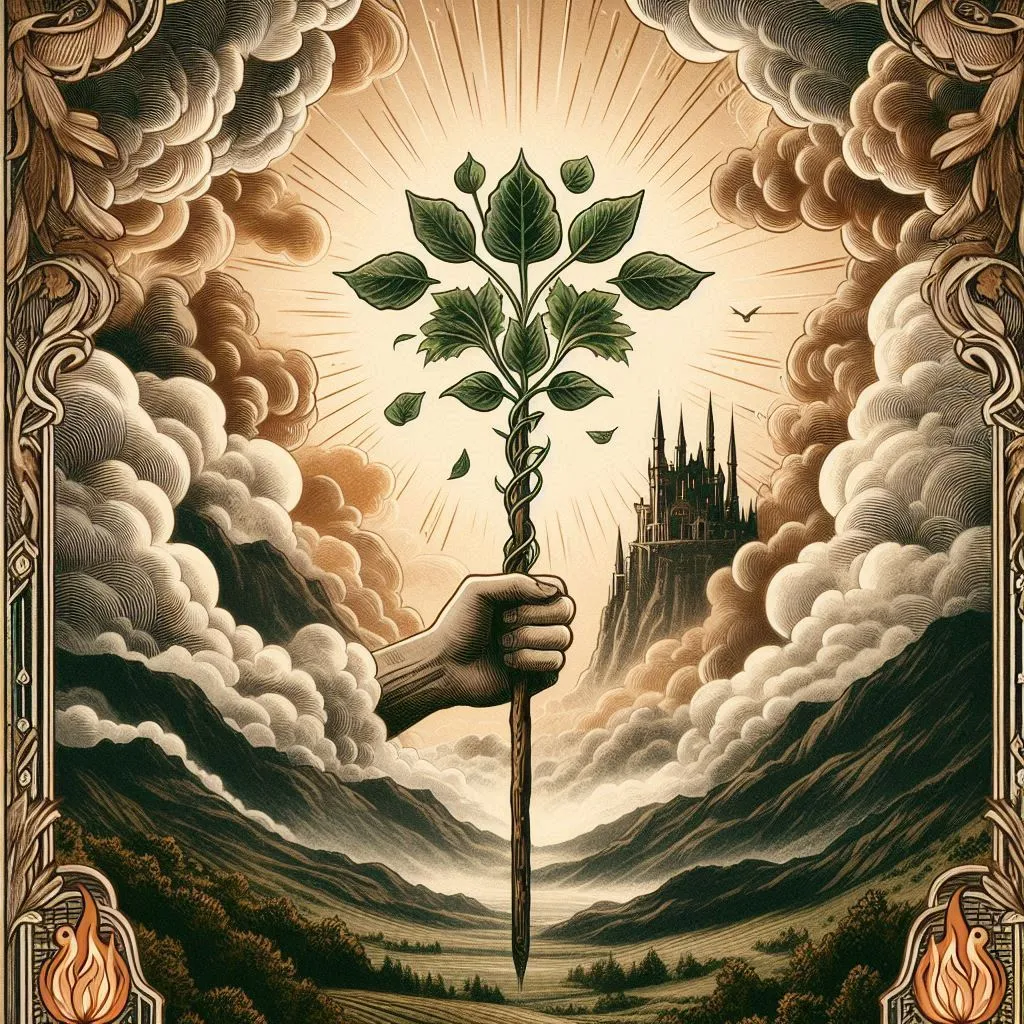
Ace of Wands
Inspiration, new opportunities, growth
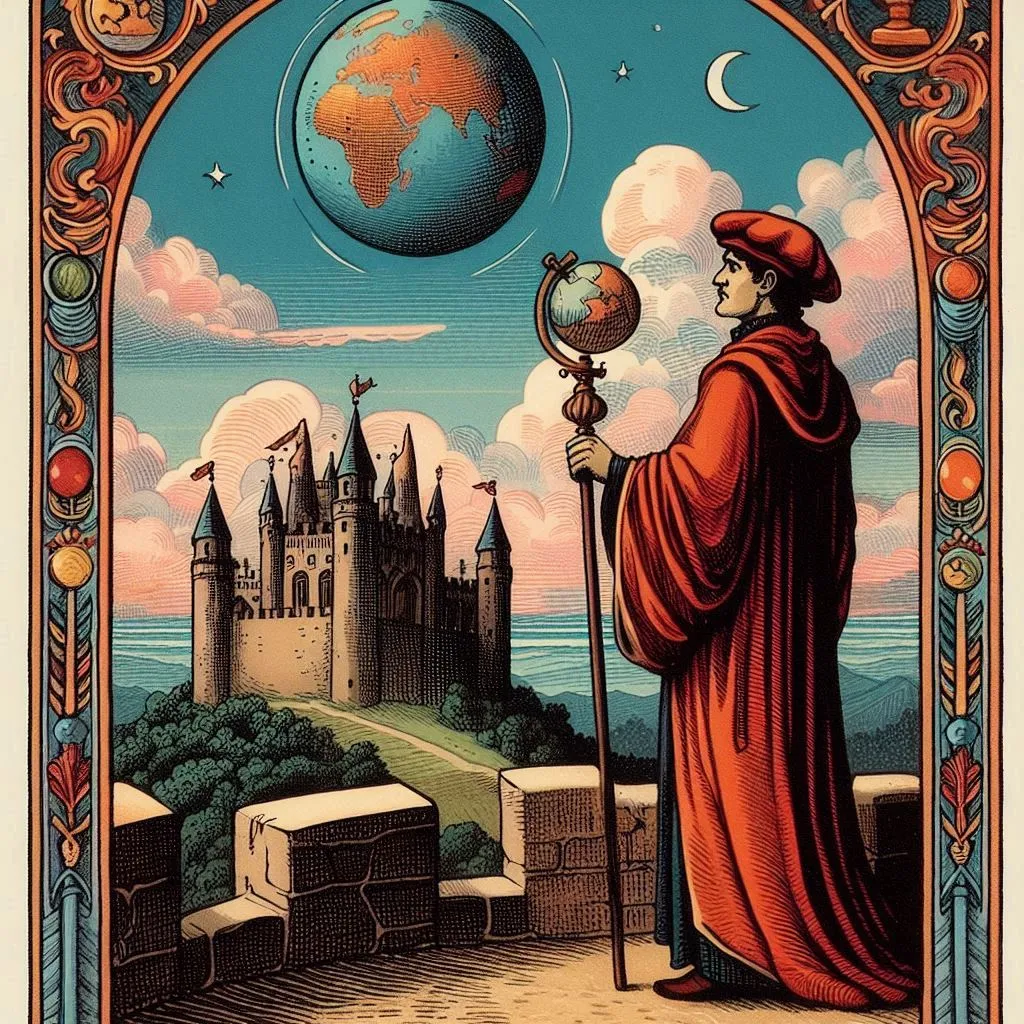
Two of Wands
Future planning, making decisions, leaving comfort zone
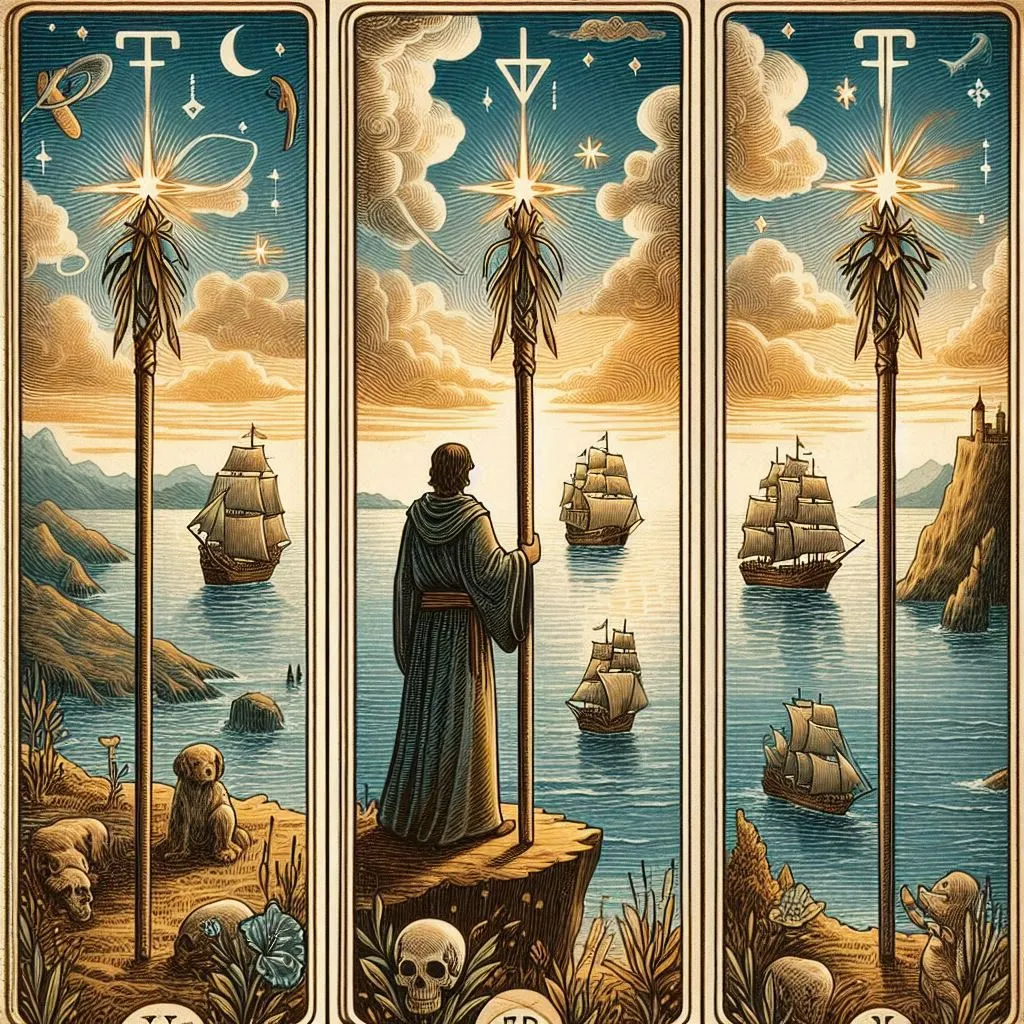
Three of Wands
Progress, expansion, foresight
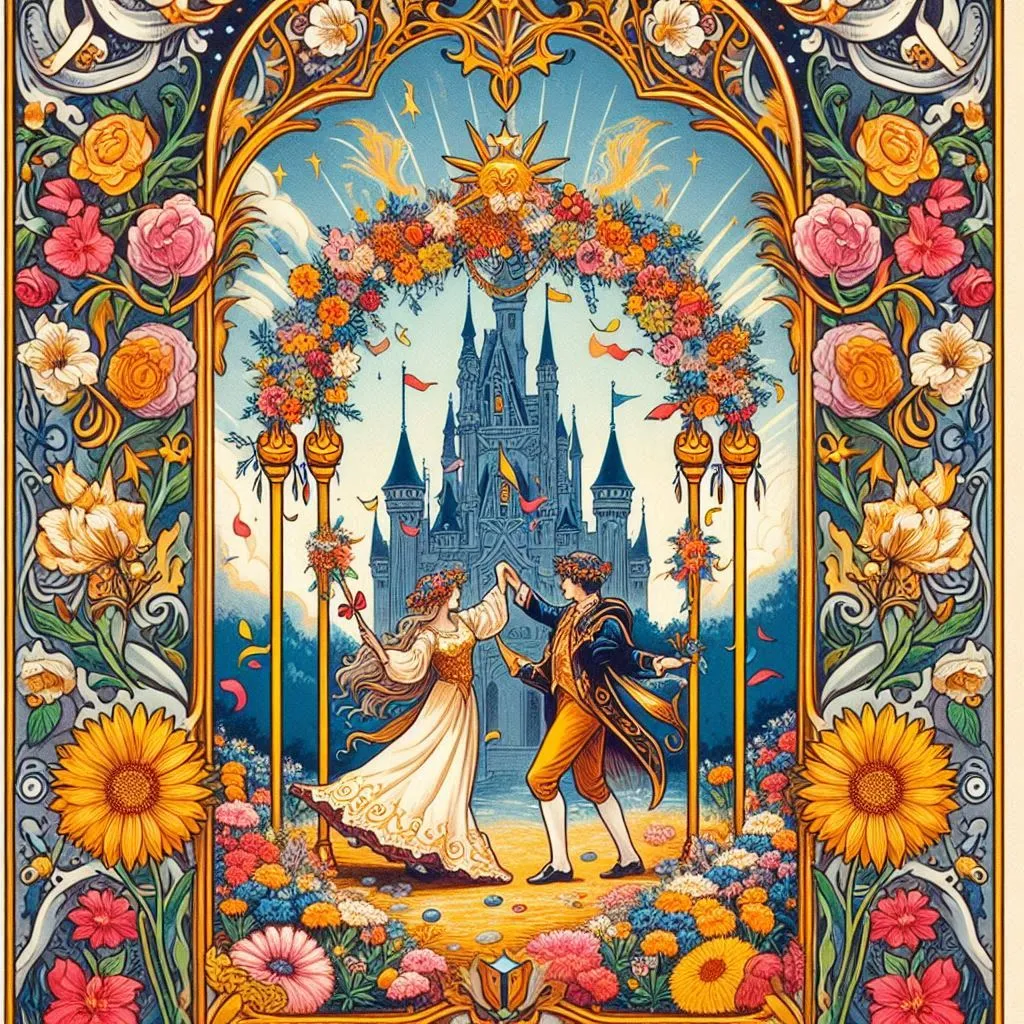
Four of Wands
Celebration, joy, harmony
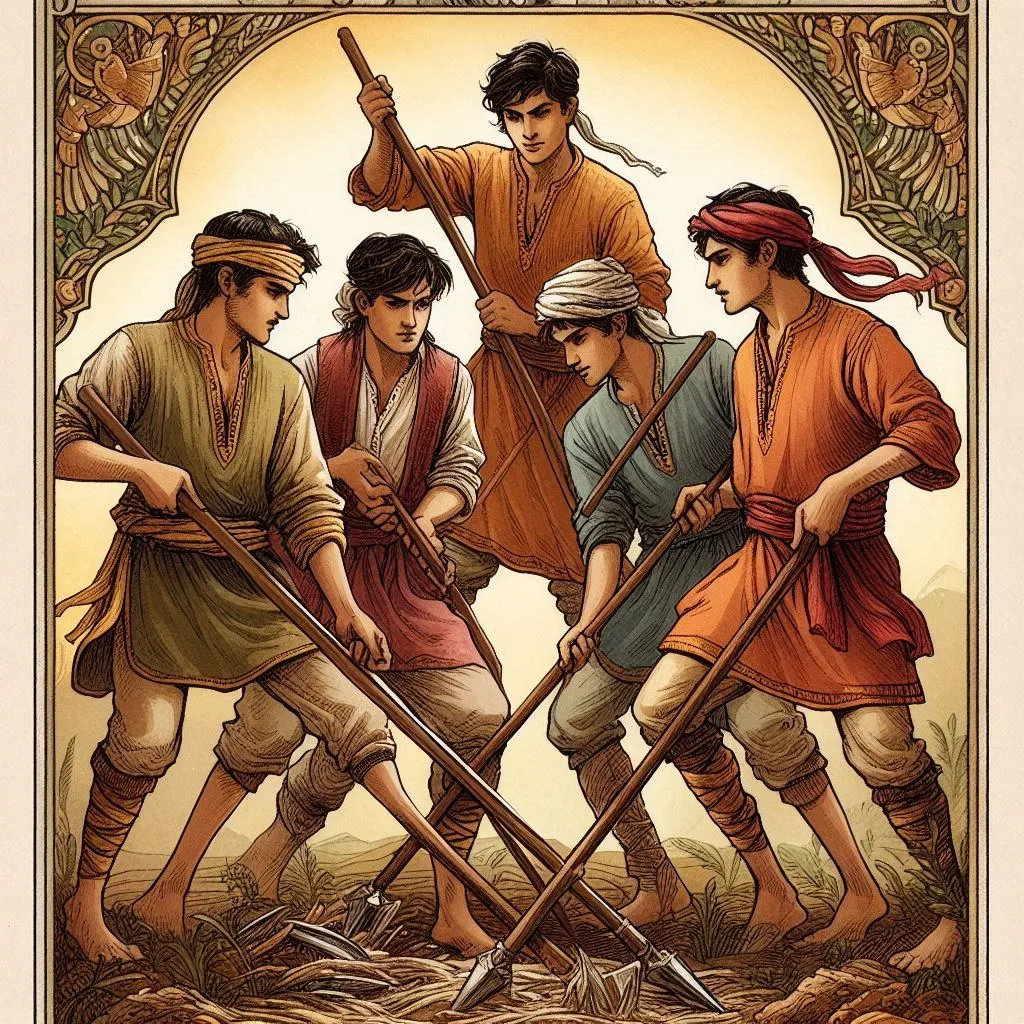
Five of Wands
Conflict, disagreements, competition
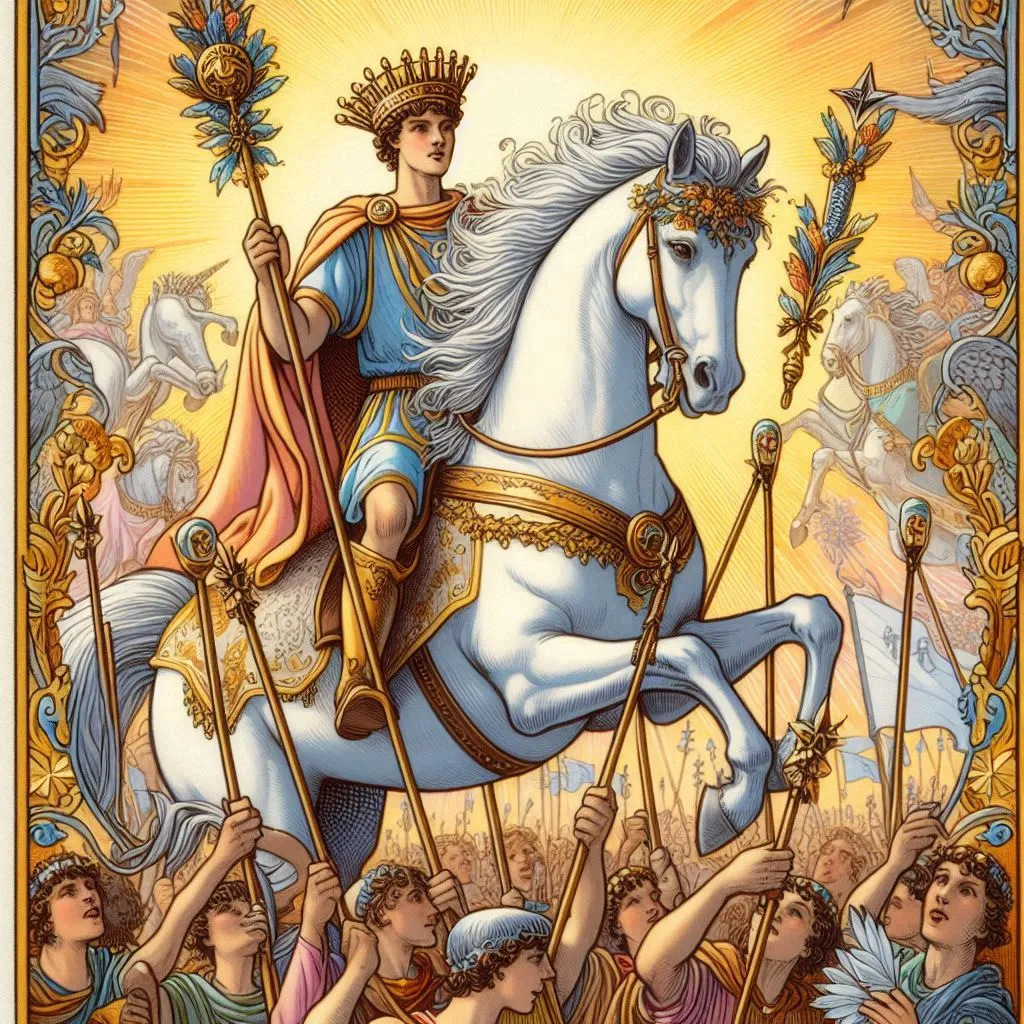
Six of Wands
Success, public recognition, progress
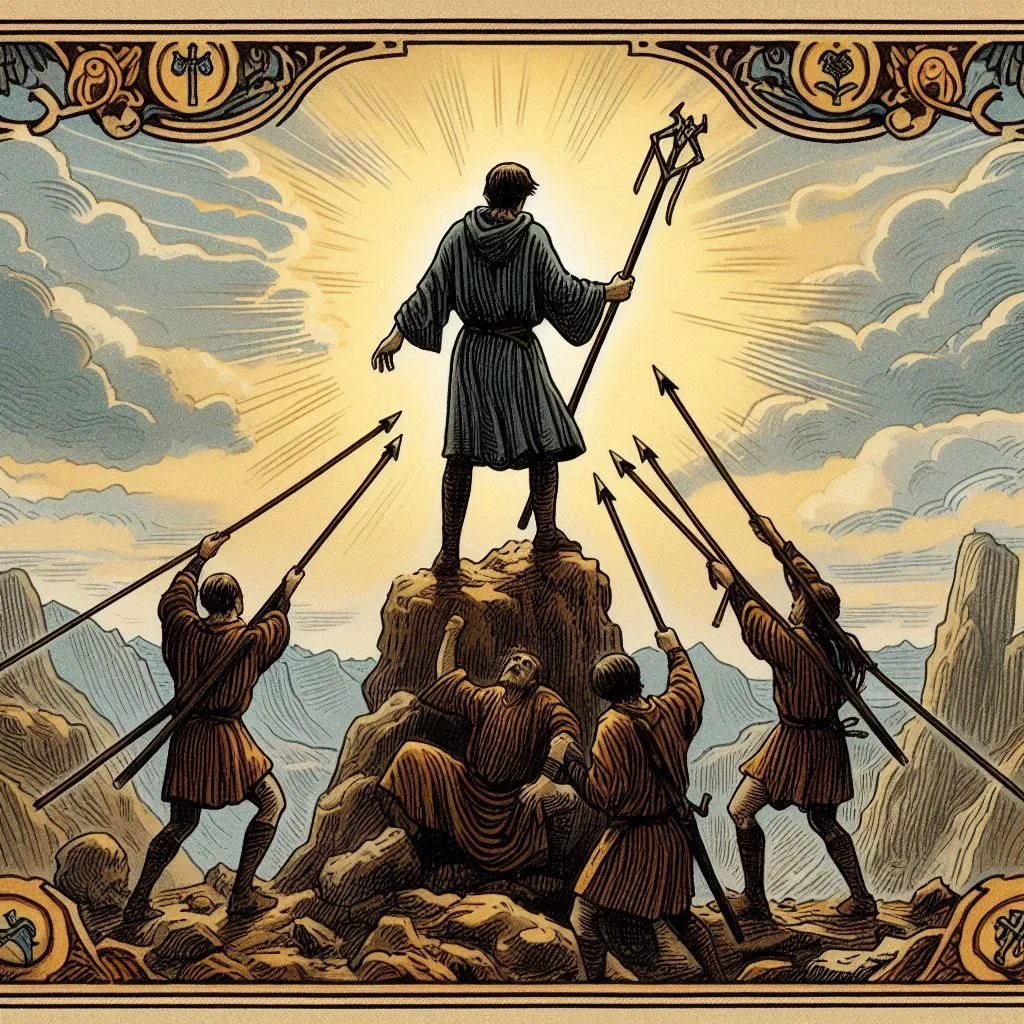
Seven of Wands
Challenge, competition, perseverance
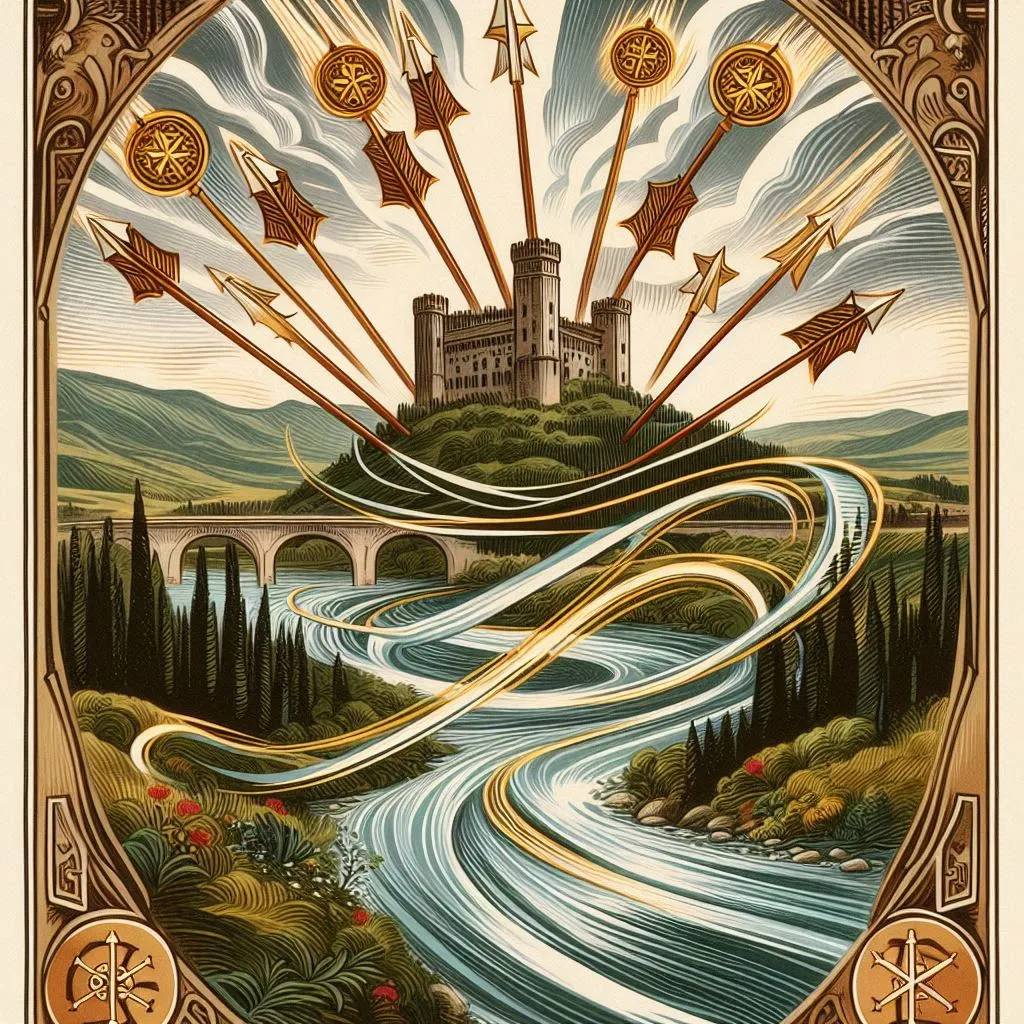
Eight of Wands
Speed, action, air travel
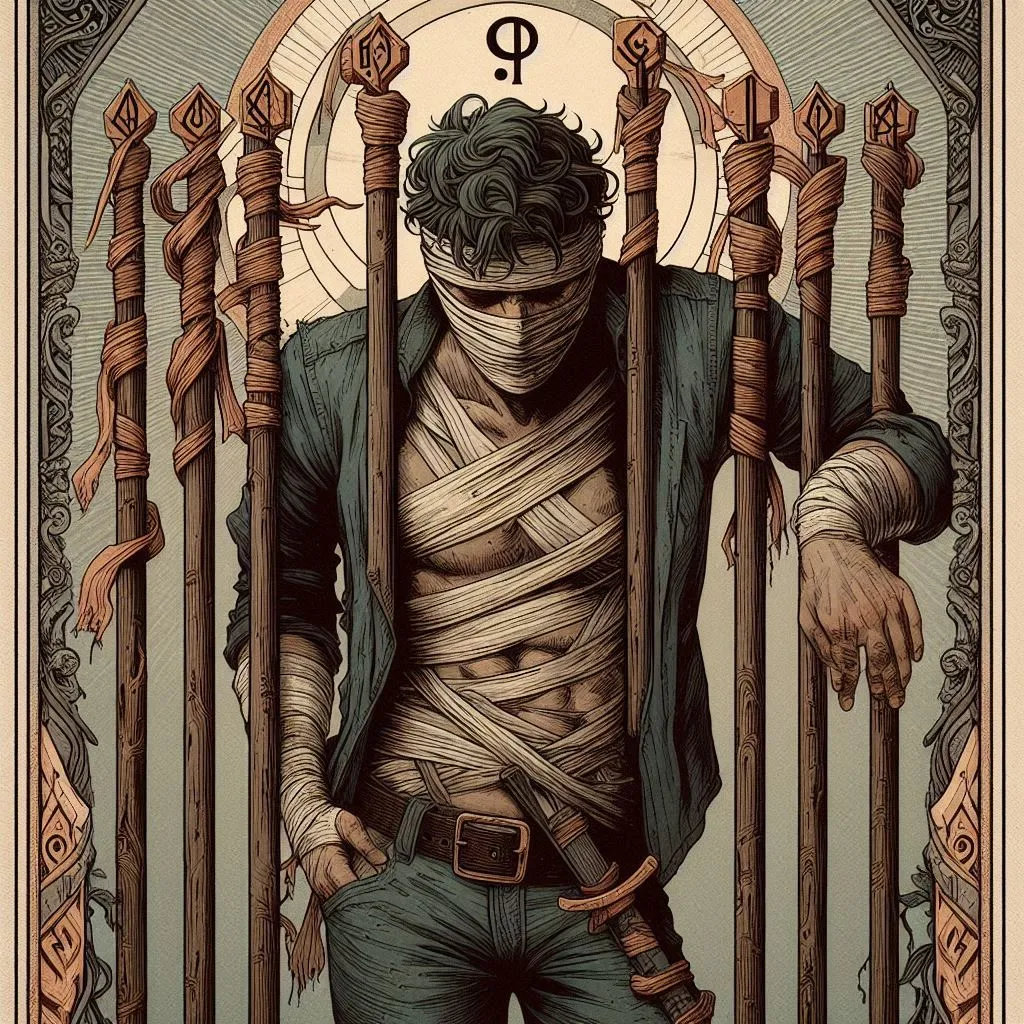
Nine of Wands
Resilience, courage, persistence
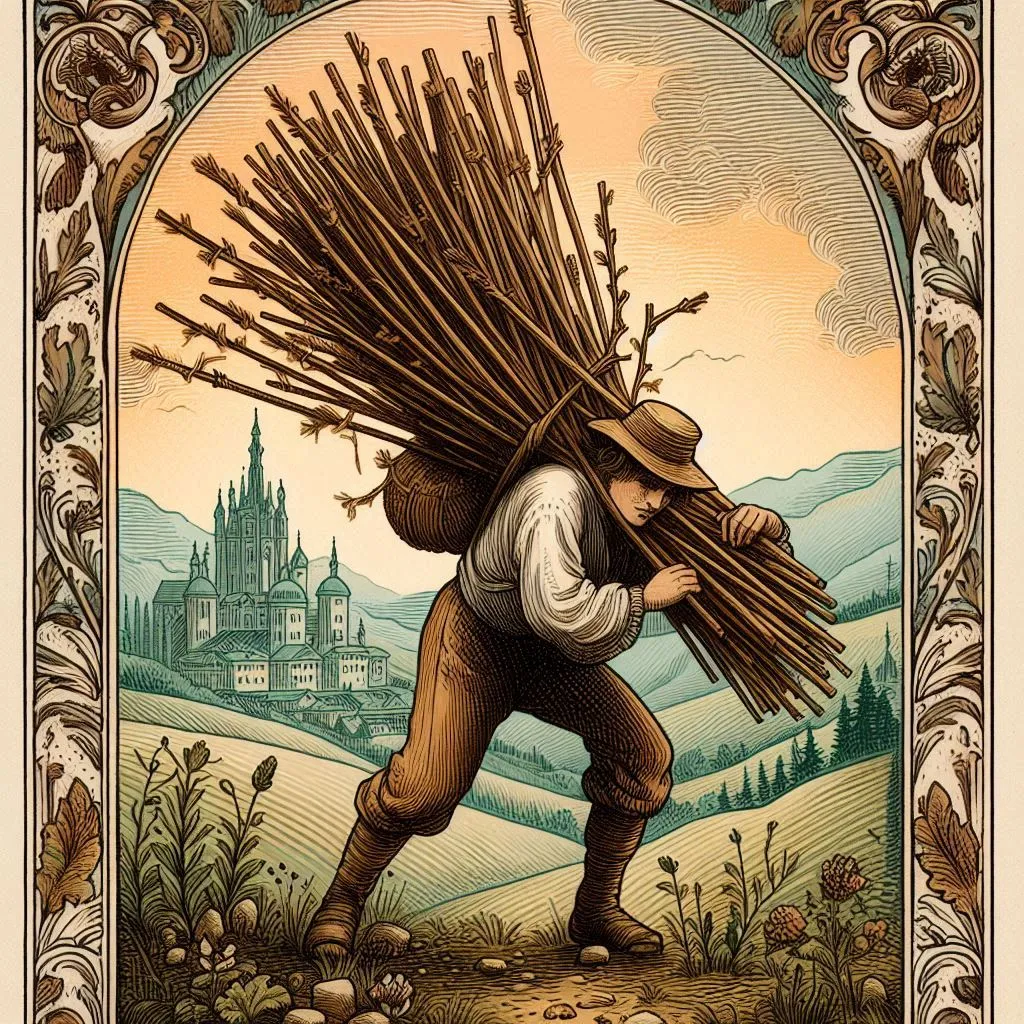
Ten of Wands
Burden, extra responsibility, hard work
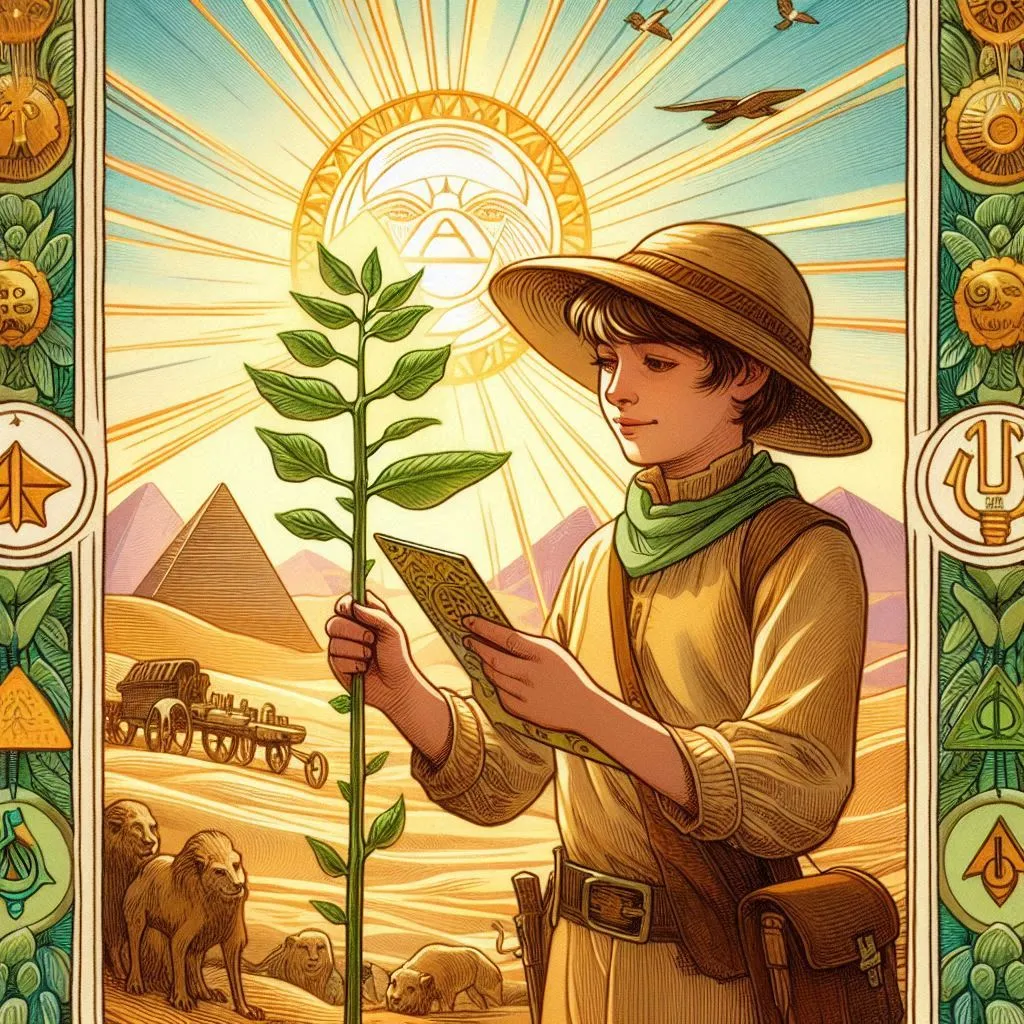
Page of Wands
Exploration, excitement, freedom
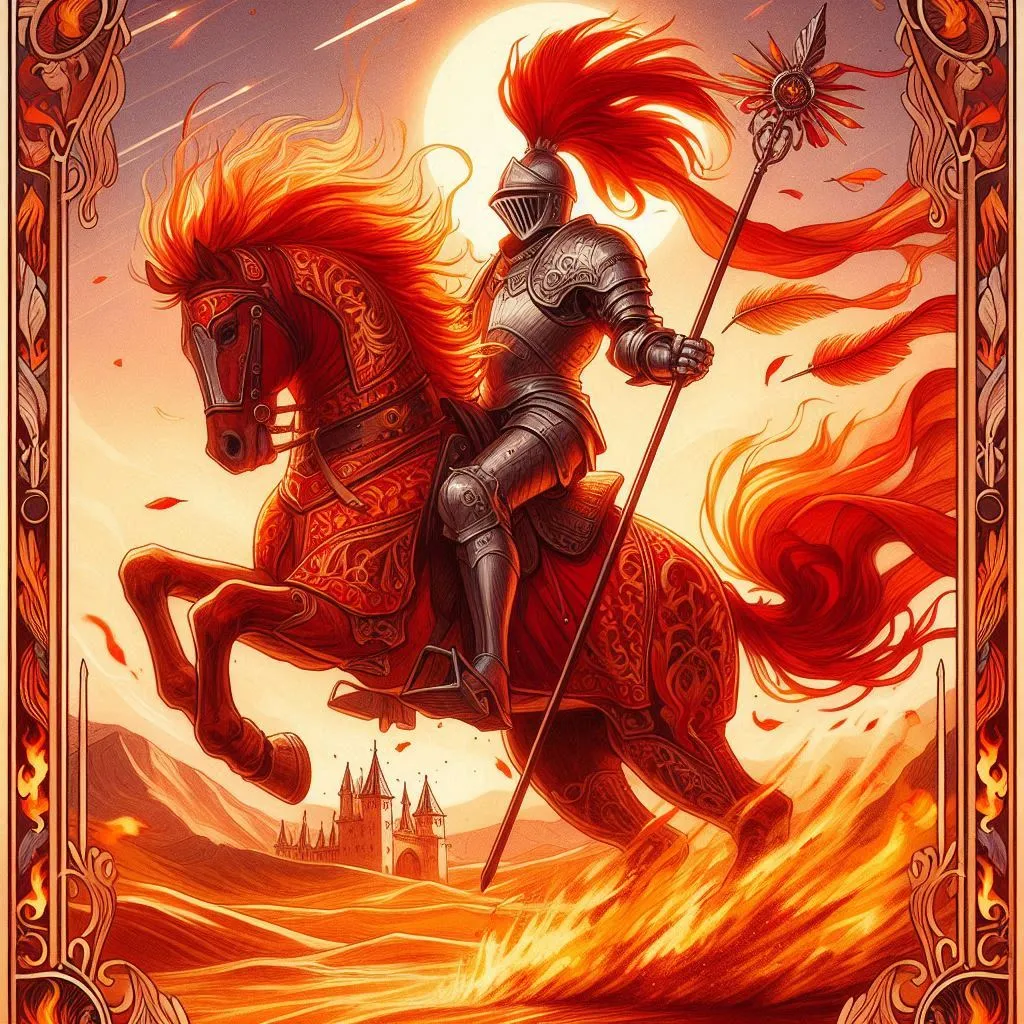
Knight of Wands
Energy, passion, adventure
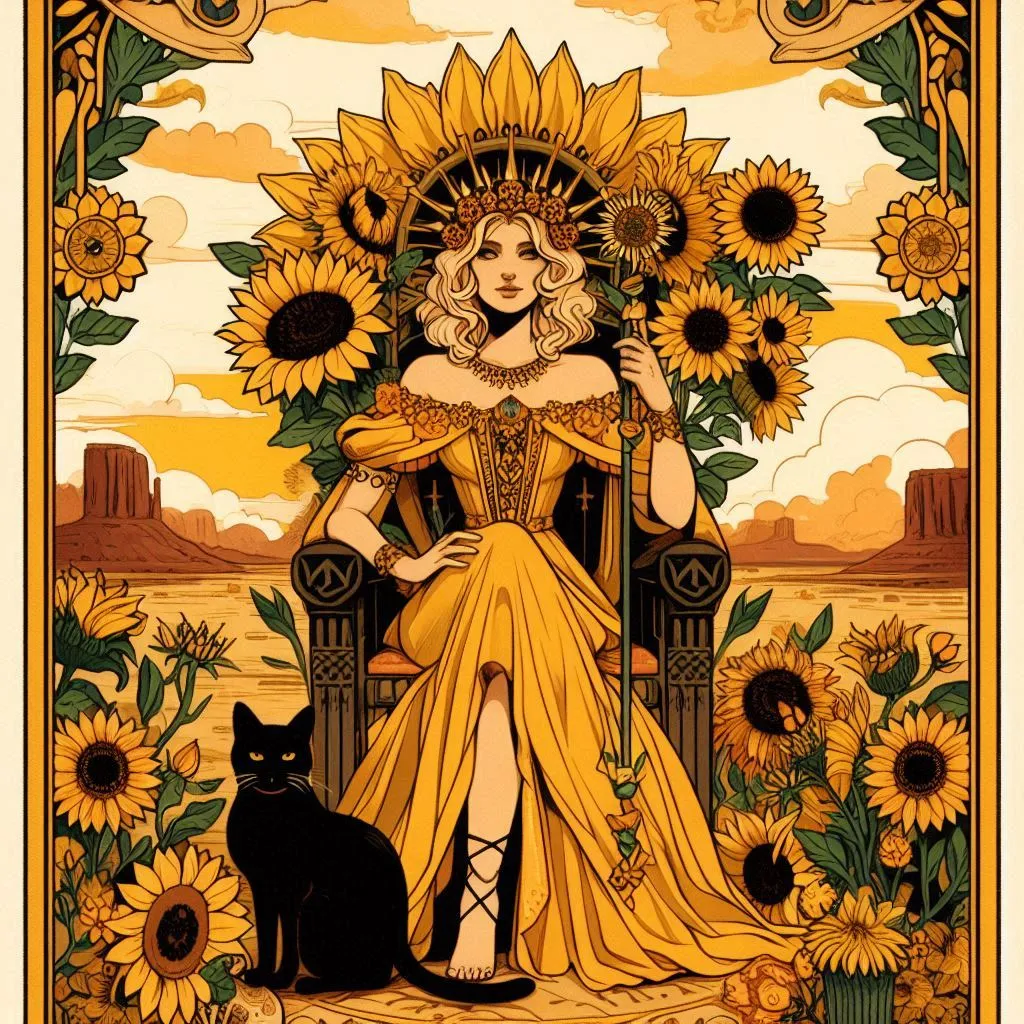
Queen of Wands
Courage, confidence, independence
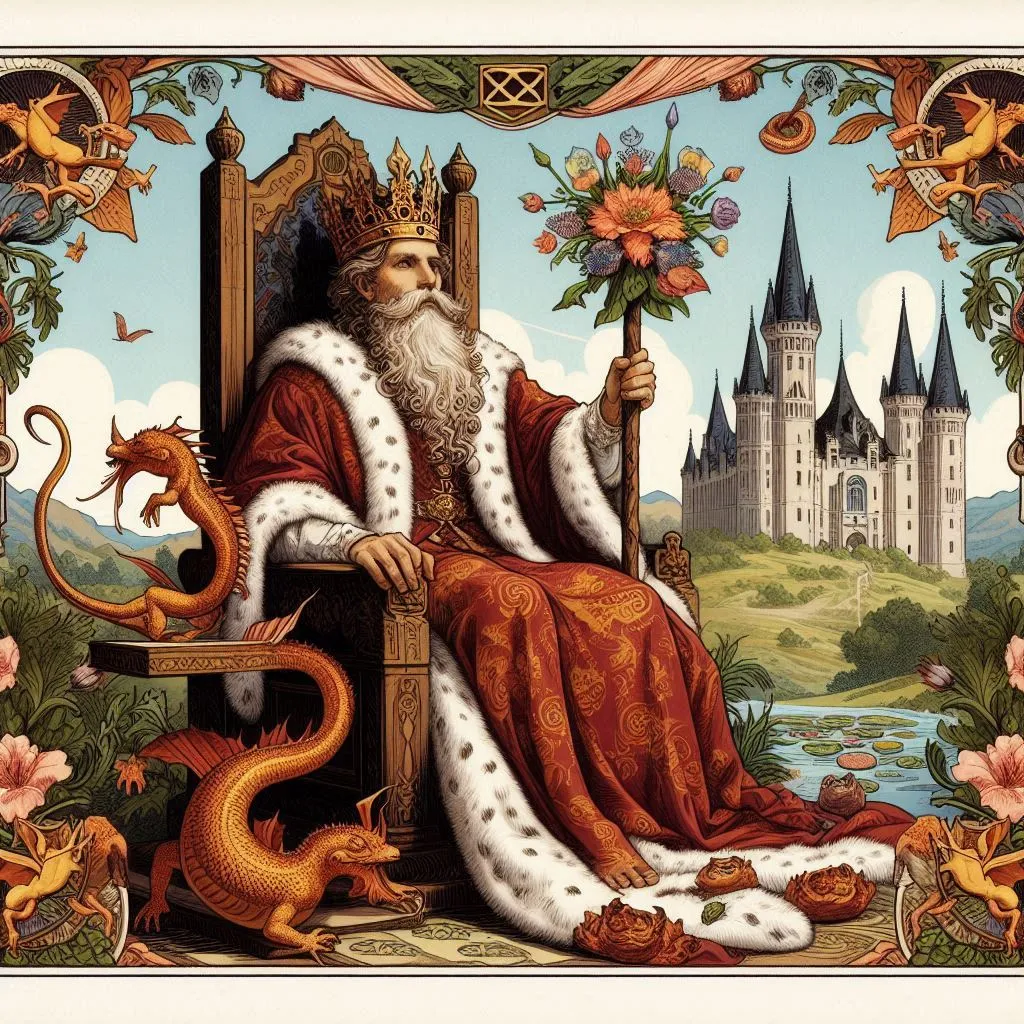
King of Wands
Leadership, vision, honour
How each tarot card meaning is laid out
Every card page follows the same order, so you can find what you need fast. It opens with the core idea of the card in a sentence or two, then gives the upright meaning, the reversed meaning and a short list of keywords you can hold in your head during a reading.
Below that come the questions people actually bring to the cards: what the card says about love and relationships, what it suggests for work and money, how it reads as feelings or as how someone sees you, and whether it leans toward yes or no. Where a card is often drawn together with another, the page also covers those pairings.
None of these readings is a forecast. A card describes a situation, an attitude or a choice, and the meaning sharpens once you hold it up against your real circumstances.
All 78 tarot cards and how the deck is built
A complete tarot pack has 78 cards. Fifty-six of them sit in four suits of 14 cards each: ten numbered cards from Ace to Ten, followed by four court cards, the Page, Knight, Queen and King. The remaining 22 cards are the trumps, which readers today call the Major Arcana.
That split is the quickest way to orient yourself. If a reading is full of trumps, it tends to be read as being about larger turning points. If it is mostly numbered cards, the focus is usually on daily matters, plans and moods.
The listing above is grouped the same way, so you can browse the trumps first and then each suit in order.
The Major Arcana: 22 cards for the big picture
The Major Arcana run from the Fool to the World and include familiar names such as the Lovers, Death, the Tower and the Star. Each one stands for a broad theme: beginnings, choice, endings, upheaval, hope. Readers often treat them as the backbone of a spread, the cards that set the tone for everything else.
Some of these names sound alarming, and that is where the context of the reading matters most. The Death card, for instance, is almost always read as an ending that clears space for something new, not as a literal event. The Tower usually points to a sudden shake-up that exposes what was unstable.
When a trump shows up for a small, practical question, it can mean the issue carries more weight than it seems. Its own page explains how to read it in that light.
The Minor Arcana: four suits for daily life
The four suits are Wands, Cups, Swords and Pentacles. In common reading practice, Wands deal with drive, ambition and new projects, Cups with feelings and relationships, Swords with thought, conflict and hard truths, and Pentacles with money, work, the body and the home.
Within each suit, the numbers follow a rough arc. Aces open a theme, middle numbers develop or test it, and Tens bring it to a peak or a close. The court cards often describe people, either you or someone around you, or a style of handling the situation: the eager Page, the restless Knight, the steady Queen, the commanding King.
If a court card is hard to place, ask which person in your life behaves the way the card does. The answer is often obvious once you stop looking for a literal match in age or gender.
Tarot card meanings upright and reversed
A card drawn upright shows its theme in a direct, open way. A card drawn upside down, or reversed, is usually read as the same theme blocked, delayed, turned inward or taken too far. The Three of Cups upright is celebration with friends; reversed, it can point to a gathering that feels hollow or a friendship that has gone quiet.
Not every reader uses reversals. Some prefer to read every card upright and let the surrounding cards decide whether the energy flows well or badly. Both methods are valid, and each card page gives you the reversed reading in case you use it.
A useful habit is to read the reversed meaning as a question rather than a verdict: what is holding this theme back right now, and is it coming from outside or from you?
Oracle card meanings and how they differ from tarot
Oracle cards are a looser family of decks. Each oracle deck sets its own number of cards, its own themes and its own guidebook, so there is no single oracle card meanings list that works across decks. One deck might use animals, another affirmations, another goddesses or plants.
Tarot is different because the structure is fixed: the same 78 cards, the same suits, the same trumps, whichever artist drew them. That is why a tarot meaning learned on one deck still makes sense on another.
If you use an oracle deck, its guidebook is the best source for each card. Tarot meanings can still help when an oracle card shares a clear theme with a tarot card, such as new beginnings, a crossroads or a time to rest.
Traditions and folk meanings
From an Italian card game to a reading deck
Tarot began in Italy in the early 15th century as a card game called tarocchi, not as a fortune-telling tool. Playing-card historians see its permanent set of trump cards, originally called trionfi, as its main innovation over ordinary packs. The cards were not widely used for divination until the 18th century, more than 300 years after the game appeared.
In 1781, Antoine Court de Gébelin claimed in volume VIII of Le Monde primitif that tarot came from ancient Egypt, a story historians reject. In the late 1780s, the Parisian occultist Etteilla, born Jean-Baptiste Alliette, produced the first tarot deck designed specifically for fortune-telling.
The oldest surviving decks
The hand-painted Visconti-Sforza tarot from the 15th century is now split between three homes: 35 cards at the Morgan Library in New York, 26 at the Accademia Carrara in Bergamo and 13 in the private Colleoni collection, also in Bergamo.
The Sola Busca tarot of about 1491 is the oldest known complete tarot deck. The Italian state bought it in 2009 for the Pinacoteca di Brera in Milan.
Rider-Waite-Smith, the deck behind most modern meanings
The Rider-Waite-Smith deck was first published in 1909. A. E. Waite commissioned the artist Pamela Colman Smith to draw it, and both were members of the Hermetic Order of the Golden Dawn, an occult society Smith joined in 1901.
Unlike most earlier packs, which showed the numbered cards only as patterns of suit symbols, this deck gives all 78 cards a picture. Smith drew on the Sola Busca tarot, whose numbered cards also carry full scenes, and is thought to have studied its images at the British Museum. Those pictures are a large part of why the Minor Arcana are so easy to read today.
Before you open a card's page, write down the question you had in mind when you drew it. Then read the meaning and notice which line lands closest to that question.
Frequently Asked Questions About Tarot
How many tarot cards are there in a deck?
A full tarot deck has 78 cards. There are 22 Major Arcana, or trumps, and 56 Minor Arcana split into four suits of 14 cards. Each suit has ten numbered cards plus a Page, Knight, Queen and King.
What is the difference between the Major and Minor Arcana?
The Major Arcana are the 22 named trumps, such as the Fool, the Lovers and the World, and they usually describe big themes or turning points. The Minor Arcana are the 56 suit cards and tend to describe everyday events, moods and decisions. A spread heavy with Major Arcana is often read as more significant.
Do you have to memorize all tarot card meanings?
No. Many readers learn the structure first: what each suit covers, how the numbers progress and what the court cards represent. From there, the picture on the card and your question often suggest the meaning. Looking up a card while you practice is how most people learn.
Should tarot cards be read reversed?
It is a personal choice. Reversals add nuance, usually showing a theme that is blocked, delayed or turned inward. If you prefer to skip them, read every card upright and let the neighboring cards set the tone.
Are tarot cards and oracle cards the same thing?
No. Tarot has a fixed structure of 78 cards with suits and trumps, so its meanings carry across decks. Oracle decks vary widely in size and theme, and each comes with its own guidebook. Both can be used for reflection.
Can tarot predict the future?
Tarot is best used as a mirror rather than a forecast. A card can help you see your situation from a new angle, name a feeling or weigh a choice. What happens next still depends on your decisions and circumstances.
Researched and written with AI assistance, following the Lucid Oracle editorial guidelines. How our interpretations are written
Personal insights powered by AI
Get an AI-Powered Tarot Reading
Draw cards and receive a personalised interpretation that connects your reading to your life situation.